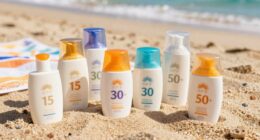
When exposed to UV radiation, your skin cells suffer damage to DNA and generate reactive oxygen species, which cause oxidative stress. This triggers your body’s inflammatory response, releasing chemicals that attract immune cells but can also lead to prolonged redness, swelling, and discomfort. Over time, this inflammation speeds up skin aging and raises your risk of skin cancer. Want to understand how to protect yourself and keep your skin healthy? Keep exploring to learn more.
Key Takeaways
- UV radiation causes DNA damage and oxidative stress, leading to cellular stress responses in skin cells.
- ROS generated by UV exposure attack lipids, proteins, and DNA, exacerbating cellular injury.
- UV-induced ROS activate signaling pathways that promote inflammation in skin tissues.
- Inflammatory mediators recruit immune cells, resulting in tissue swelling, redness, and discomfort.
- Chronic inflammation from UV damage contributes to skin aging and increases skin cancer risk.
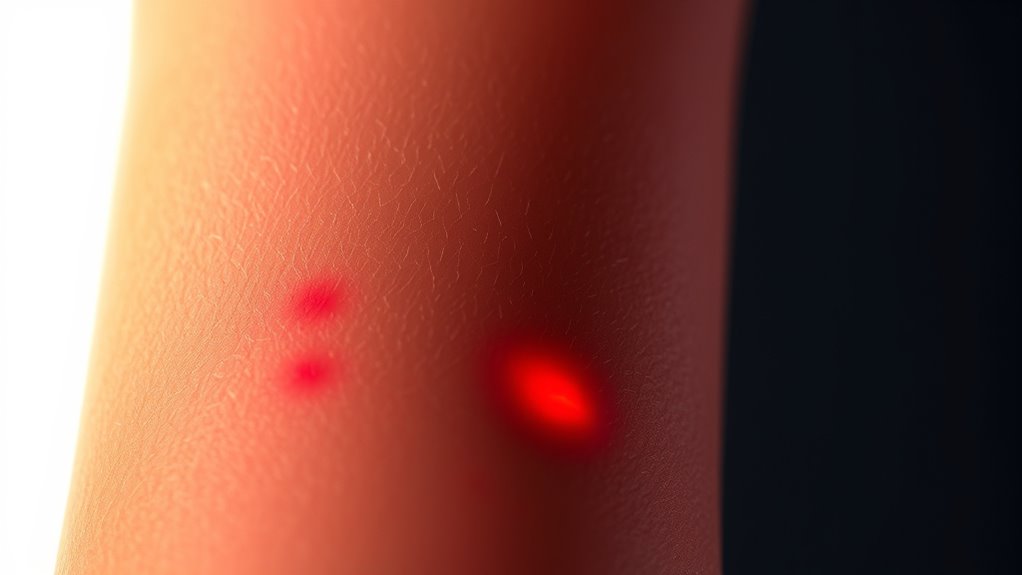
UV radiation from the sun can penetrate your skin and trigger cellular responses that lead to inflammation. When UV rays hit your skin, they cause direct damage to your skin DNA, which is the blueprint for healthy skin cells. This damage is a major trigger for cellular stress responses, as your skin cells try to repair the compromised DNA. But the repair process isn’t always perfect, and mistakes can lead to mutations or abnormal cell behavior. In addition to damaging DNA directly, UV exposure also generates reactive oxygen species (ROS), which are unstable molecules that seek out electrons to stabilize themselves. These ROS are produced as a byproduct of the skin’s response to UV radiation, and they can cause widespread oxidative stress within your skin cells.
UV rays damage skin DNA and produce reactive oxygen species, fueling inflammation and cellular stress responses.
The presence of reactive oxygen species exacerbates the damage by attacking cellular components like lipids, proteins, and nucleic acids. This oxidative stress worsens skin DNA damage, making it harder for your cells to recover properly. When ROS levels increase, they activate signaling pathways that promote inflammation, leading to the release of inflammatory mediators such as cytokines and prostaglandins. These molecules recruit immune cells to the site of damage, initiating an inflammatory response. While this response aims to repair the skin and protect against further harm, it can become excessive and cause tissue swelling, redness, and discomfort.
The damage caused by UV radiation doesn’t stop at just DNA and ROS. It also triggers a cascade of cellular signals that can lead to premature skin aging and increase your risk of skin cancer. Your skin’s natural defenses, including antioxidants, work to neutralize ROS, but prolonged or intense UV exposure can overwhelm these defenses, leaving your skin vulnerable. By understanding how UV radiation causes skin DNA damage and produces reactive oxygen species, you realize the importance of protective measures. Applying broad-spectrum sunscreen, seeking shade, and wearing protective clothing can considerably reduce your risk of cellular damage and inflammation.
Research indicates that oxidative stress plays a central role in the development of inflammation and skin aging related to UV exposure. In essence, UV radiation’s ability to induce skin DNA damage and generate reactive oxygen species underpins the inflammatory processes that follow. Taking steps to minimize UV exposure helps shield your skin from these harmful effects, maintaining healthier, more resilient skin over time. Protecting yourself isn’t just about preventing sunburn; it’s about safeguarding your skin’s cellular integrity and preventing long-term inflammation-related damage.

Neutrogena Ultra Sheer Dry-Touch Sunscreen Lotion SPF 70, Broad Spectrum, Water Resistant 80 Min, Oil-Free, Oxybenzone-Free, Non-Comedogenic, Matte Finish, Body Sunscreen, Travel Size 3 Fl Oz
SPF 70 broad spectrum sunscreen lotion delivers high UVA/UVB protection for daily use; water resistant for up to…
As an affiliate, we earn on qualifying purchases.
As an affiliate, we earn on qualifying purchases.
Frequently Asked Questions
Can UV Radiation Cause Long-Term Genetic Mutations?
Yes, UV radiation can cause long-term genetic mutations. When you’re exposed to UV rays, they can damage your DNA, leading to genetic mutations that may persist over time. These mutations increase your risk of skin cancer and other health issues. The long-term effects depend on your exposure level and protection measures. To minimize risks, always protect your skin with sunscreen and avoid prolonged sun exposure.
How Does UV Exposure Differ Between Indoor and Outdoor Environments?
Indoor UV exposure is generally lower than outdoor exposure because sunlight intensity varies with weather and time of day. When you’re outdoors, you encounter higher sunlight intensity, increasing UV radiation exposure, especially during peak hours. Indoors, UV exposure mainly comes from artificial sources or reflected sunlight through windows, which reduces your overall UV risk. Always consider the environment you’re in to better protect your skin from harmful UV rays.
Are Certain Skin Types More Vulnerable to Uv-Induced Inflammation?
You’re more vulnerable to UV-induced inflammation if your skin has higher sensitivity or less melanin protection. Fair-skinned individuals with low melanin levels often experience more inflammation because their skin offers less natural defense. Conversely, darker skin tones with more melanin provide some protection, reducing inflammation risk. While all skin types should take precautions, those with less melanin need to be especially vigilant about UV exposure to prevent cellular damage.
What Are the Latest Advancements in Protecting Against UV Damage?
You can better safeguard your skin with the latest advancements like innovative sunscreens that offer broader-spectrum coverage and improved stability. Look for products containing DNA repair enzymes, which help repair UV-induced skin damage at a cellular level. These advancements work together to reduce inflammation and prevent long-term damage, giving you more effective defense during outdoor activities. Staying consistent with these products ensures your skin stays healthier and more resilient against UV exposure.
How Does UV Radiation Impact Cellular Inflammation in Non-Skin Tissues?
UV radiation can trigger cellular signaling in non-skin tissues, leading to inflammation even outside the skin. You might not notice it, but UV exposure can cause oxidative stress and activate pathways that promote inflammation in organs like the eyes and internal tissues. This process can contribute to tissue damage and chronic conditions. To protect yourself, limit UV exposure and consider antioxidants that help reduce cellular inflammation caused by UV-induced signaling.

IUGA Rash Guard for Women UPF 50+ SPF UV Protection Long Sleeve Workout Tops with Pockets Dry Fit Hiking Swim Shirt
UPF 50+ for Sun Protection: Want to enjoy the outdoors without being damaged by UV rays? Putting on…
As an affiliate, we earn on qualifying purchases.
As an affiliate, we earn on qualifying purchases.
Conclusion
So, next time you’re out in the sun, remember that just 15 minutes of UV exposure can cause a 20% increase in cellular inflammation. This inflammation can lead to skin aging and even raise your risk of skin cancer. Protect your skin by wearing sunscreen, seeking shade, and covering up. Staying mindful of UV rays helps you maintain healthier skin and reduces long-term damage. Stay safe and enjoy the sun responsibly!

Antioxidant Vitamin C Serum for Face- Infused with Electrolytes, Hyaluronic Acid, Retinol – 1 oz
Vitamin C Serum: Brightens skin with antioxidants
As an affiliate, we earn on qualifying purchases.
As an affiliate, we earn on qualifying purchases.

Banana Boat Moisturizing After Sun Lotion with Aloe and Vitamin E, 16Fl Oz, After Sun Care, Banana Boat After Sun Lotion, Sunburn Relief, 16Fl Oz
MADE WITH ALOE–Moisturizing lotion provides sunburn relief and helps preserve your tan
As an affiliate, we earn on qualifying purchases.
As an affiliate, we earn on qualifying purchases.