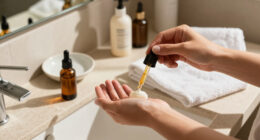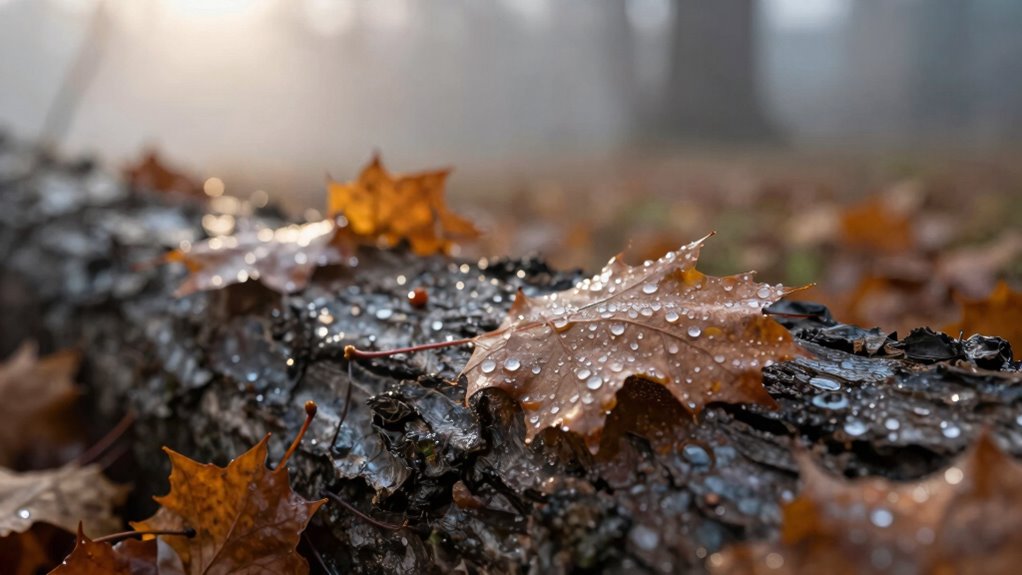
Fall weather can still harm your skin barrier because lower humidity, dry air, and wind strip away moisture and weaken its protective function. These conditions lead to dryness, irritation, and flakiness if you don’t adjust your skincare. Without proper support, your skin becomes more vulnerable to damage. By reinforcing your barrier with the right moisturizers and protecting your skin from the elements, you can keep it healthy and resilient. Keep exploring to learn how to shield your skin effectively.

Get beauty and skincare favorites delivered free with Prime
- Fast, free delivery on millions of items
- Prime Video, Amazon Music and more included
- Member-only deals all year
Key Takeaways
- Cooler temperatures and lower humidity cause skin to lose moisture faster, leading to dryness and irritation.
- Dry air and wind strip away natural oils, weakening the skin’s protective barrier.
- Reduced moisture levels make skin more sensitive, flaky, and prone to cracking.
- Over-washing or harsh cleansers can further damage the skin barrier during fall.
- Indoor heating and insufficient humidity contribute to moisture loss and barrier disruption.
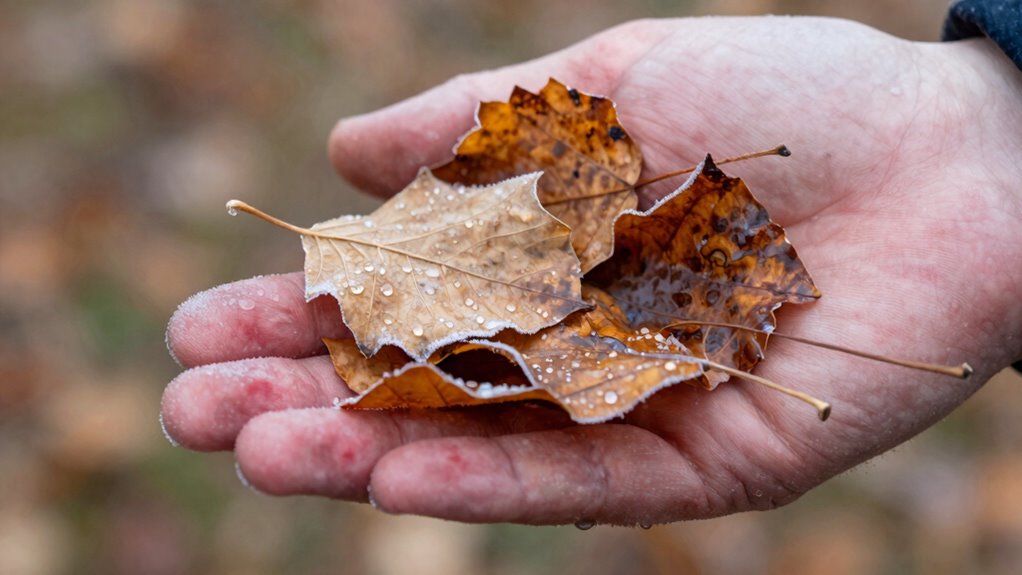
As fall weather arrives, changing temperatures and lower humidity levels can take a toll on your skin barrier. You might assume that cooler air signals a break from summer’s sweat and oiliness, but autumn skincare presents unique challenges. The drop in humidity can lead to your skin losing moisture more rapidly, making it vulnerable to dryness, irritation, and even cracking. These weather shifts can cause your skin to become flaky and sensitive if you’re not prepared. Weather-related irritation often worsens as your skin struggles to adapt, especially if you neglect to adjust your skincare routine accordingly.
During autumn, the air’s dryness strips away the natural oils that keep your skin soft and supple. As you go about your day, exposure to brisk winds and chilly air can further compromise your skin’s protective barrier. If you don’t take steps to reinforce it, your skin may become more prone to redness, itchiness, and irritation. That’s why autumn skincare isn’t just about swapping out lightweight summer products for richer creams; it’s about actively supporting your skin’s resilience against the elements. Moisturizers with occlusive ingredients like petrolatum or dimethicone can help lock in hydration, preventing moisture loss caused by the dry air.
Reinforce your skin’s barrier with occlusive moisturizers to prevent moisture loss and protect against autumn’s harsh elements.
Many people overlook the importance of gentle cleansing during this season. Harsh soaps or over-washing can strip away essential oils, leaving your skin more vulnerable to weather-related irritation. Instead, opt for mild, hydrating cleansers that preserve your skin’s natural barrier. Applying a nourishing moisturizer immediately after cleansing can help seal in moisture and protect against environmental stressors. It’s also wise to incorporate ingredients like hyaluronic acid or glycerin, which draw water into your skin and keep it plump despite the dryness outside. Additionally, understanding home design and architecture details, such as the use of humidifiers or proper insulation, can help create a more skin-friendly indoor environment during colder months. Proper indoor humidity levels can help prevent moisture from escaping and keep your skin hydrated from within. Paying attention to proper skincare routine adjustments can further help your skin adapt more effectively to changing weather conditions. Incorporating climate considerations into your skincare routine can also make a significant difference in maintaining your skin’s health.
Products Worth Considering

Bowflex PR1000 Home Gym

Levoit Eleva 300X HEPA Air Purifier for Home and Bedroom

Philips Sonicare 5950 Rechargeable Electric Toothbrush with 2 Brush Heads, Navy
As an affiliate, we earn on qualifying purchases.
Frequently Asked Questions
Can Fall Weather Cause Temporary Skin Barrier Damage?
Yes, fall weather can cause temporary skin barrier damage. Seasonal dryness and humidity fluctuations strip moisture from your skin, making it more vulnerable to irritation and sensitivity. As temperatures drop, your skin may lose hydration faster, leading to a compromised barrier. To protect yourself, use gentle cleansers, stay hydrated, and apply nourishing moisturizers regularly. These steps help restore your skin’s natural defense and prevent long-term damage during fall.
Does Indoor Heating Affect My Skin Barrier in Fall?
Indoor heating can substantially affect your skin barrier in fall by lowering indoor humidity, which leads to skin dehydration. As the air becomes drier, your skin loses moisture more quickly, making it prone to irritation and damage. To protect your skin, use a humidifier and apply nourishing moisturizers regularly. Staying hydrated and avoiding hot showers also help maintain your skin’s health despite indoor heating.
Are Certain Skincare Ingredients Better for Fall Protection?
You might think skincare ingredients don’t change with the seasons, but seasonal shifts actually call for smarter choices. During fall, look for protective serum formulations packed with antioxidants and barrier-repairing ingredients like ceramides and hyaluronic acid. These help counteract indoor heating and chilly air. Ironically, what worked in summer might not be enough now—so upgrading your routine with fall-specific ingredients keeps your skin resilient against the season’s sneaky damage.
How Often Should I Moisturize During Fall?
You should moisturize at least twice daily during fall to maintain seasonal hydration. If your skin feels dry or flaky, increase moisturizer frequency to three times or as needed. Consistent application helps strengthen your skin barrier against the changing weather. Use a rich, hydrating moisturizer, especially after cleansing, to lock in moisture. Pay attention to your skin’s signals and adjust your moisturizer frequency to keep your skin comfortable and healthy all season.
Can Fall Weather Worsen Existing Skin Conditions?
Yes, fall weather can worsen existing skin conditions. Many believe seasonal dryness and outdoor allergens intensify issues like eczema or psoriasis. You might notice flare-ups due to lower humidity and increased exposure to allergens like mold or pollen. To protect your skin, maintain a consistent skincare routine, stay moisturized, and limit outdoor exposure when allergens are high. Being proactive helps minimize discomfort and keeps your skin healthier during fall.
Conclusion
As autumn leaves fall, so can your skin’s defenses if you’re not careful. Fall weather may seem gentle, but it’s like a wolf in sheep’s clothing—sapping moisture and damaging your skin barrier without you noticing. Protect your skin with nourishing routines and stay vigilant. Think of your skin as a fortress; with the right care, you can keep it resilient against the season’s sneaky threats and preserve that healthy glow all fall long.