To support skin repair after sun exposure, focus on eating antioxidant-rich foods like berries, spinach, and nuts that fight free radicals and boost collagen. Incorporate omega-3 fatty acids from fatty fish, flaxseeds, and walnuts to reduce inflammation and improve skin resilience. Stay well-hydrated with water, cucumbers, and citrus fruits to promote healing. Avoid processed foods and excess sugar, which can hinder recovery. Continue exploring for more tips to help your skin bounce back faster.
Key Takeaways
- Consume antioxidant-rich foods like berries, spinach, and nuts to neutralize free radicals and support skin healing.
- Include omega-3 fatty acids from fatty fish, flaxseeds, and walnuts to reduce inflammation and promote skin resilience.
- Stay well-hydrated with water and water-rich foods such as cucumbers and citrus fruits to enhance healing and skin hydration.
- Prioritize whole, nutrient-dense foods and avoid processed, sugary items to minimize inflammation and support recovery.
- Incorporate vitamin C-rich foods to boost collagen production, accelerate healing, and reduce sunburn symptoms.
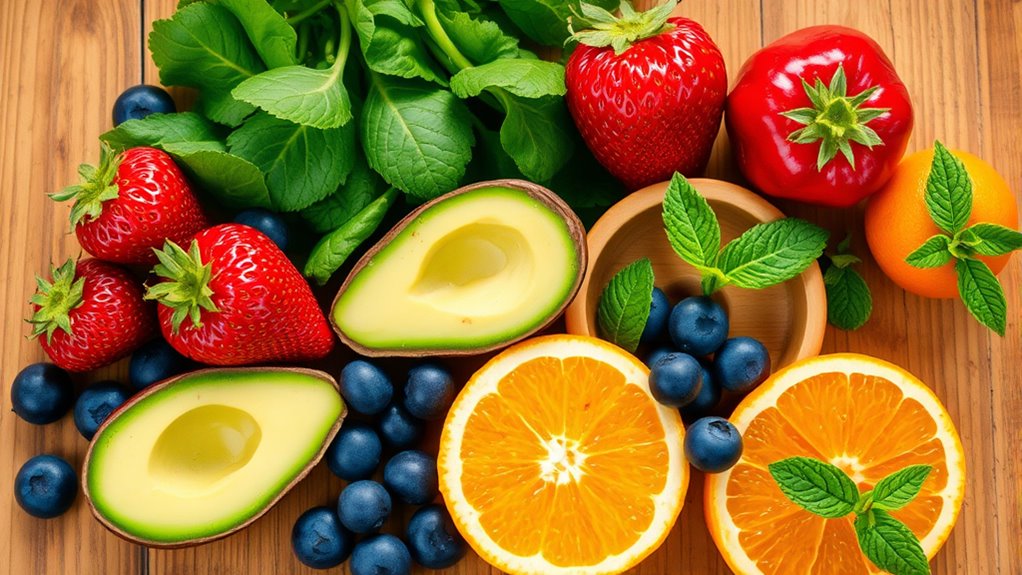
Your skin is constantly repairing itself, but what you eat can substantially boost this process. After sun exposure, your skin needs extra support to recover from UV damage, inflammation, and dehydration. Incorporating antioxidant-rich foods into your diet can help neutralize free radicals generated by UV rays, reducing oxidative stress and promoting faster healing. Foods high in antioxidants, like berries, spinach, kale, and nuts, supply your body with vitamins C and E, which are essential for collagen synthesis and skin repair. These nutrients also help diminish redness, swelling, and irritation caused by sunburn, speeding up recovery time and restoring a healthier complexion.
Consuming antioxidant-rich foods boosts skin repair after sun exposure.
In addition to antioxidants, omega-3 fatty acids play a pivotal role in skin healing after sun damage. Found in fatty fish such as salmon, mackerel, and sardines, as well as flaxseeds and walnuts, omega-3s help reduce inflammation and support the skin’s barrier function. When your skin has been exposed to UV rays, it becomes inflamed and dehydrated; omega-3s help calm this inflammation, decreasing pain and swelling while promoting cell regeneration. They also improve moisture retention, which is essential after sun exposure when your skin tends to feel dry and tight. Including omega-3-rich foods in your meals ensures your body has the nutrients it needs to repair damaged skin tissue efficiently and maintain its resilience against future sun exposure.
Beyond focusing on antioxidant-rich foods and omega-3 fatty acids, hydration is equally important. Drinking plenty of water helps flush out toxins and keeps your skin plump and supple. Complement your diet with foods like cucumbers, watermelon, and citrus fruits, which are high in water content and vitamin C. Vitamin C is indispensable for collagen production, a protein that gives your skin strength and elasticity. A diet rich in these nutrients accelerates healing, reduces peeling, and helps fade sun-induced hyperpigmentation. Additionally, choosing foods that are regulatory compliant can help ensure your skin’s recovery process remains safe and effective.
Finally, avoid processed foods and excessive sugar after sun exposure, as these can promote inflammation and slow down your skin’s recovery process. Instead, prioritize whole, nutrient-dense foods that support healing from the inside out. Consuming a balanced mix of antioxidant-rich foods, omega-3 fatty acids, and hydrating options will optimize your body’s ability to repair sun damage, leaving your skin healthier, more resilient, and better equipped to handle future exposure. By nourishing your body with these targeted foods, you’re giving your skin the best chance to recover quickly and maintain its youthful vitality.

Heart Disease Prevention Through Antioxidant-Rich Foods: The Antioxidant Advantage And How Antioxidants Help Prevent Heart Disease
As an affiliate, we earn on qualifying purchases.
As an affiliate, we earn on qualifying purchases.
Frequently Asked Questions
Can Certain Foods Reverse Sun Damage Effectively?
Certain foods can’t fully reverse sun damage, but they can support your skin’s healing. You should focus on eating antioxidant-rich foods like berries, nuts, and leafy greens, which help fight free radicals. Vitamin C is especially effective, promoting collagen production and skin repair. Incorporating these nutrients into your diet can improve your skin’s resilience and aid in recovery, although additional skincare measures are essential for ideal results.
Are Supplements Necessary for Skin Repair Post-Sun Exposure?
Supplements can boost your skin’s healing process by providing antioxidant benefits, but they aren’t strictly necessary. Your body naturally benefits from a balanced diet rich in fruits, vegetables, and hydration. While some supplements may enhance efficacy, focusing on nutrient-rich foods is usually more effective for skin repair after sun exposure. Remember, consult a healthcare professional before adding new supplements to make sure they suit your individual needs.
How Quickly Can Skin Recover With These Foods?
They say “patience is a virtue,” and when it comes to skin recovery, it’s true. You can see improvements in the speed of recovery within a few days to a week by eating skin-friendly foods rich in antioxidants, vitamins, and hydration. The efficacy of these foods depends on consistency and your skin’s condition. Keep nourishing your body, and your skin will thank you for it over time.
Do Skin Repair Foods Work for All Skin Types?
Yes, skin repair foods can work for all skin types, but results may vary based on your natural skincare routine and dietary restrictions. For sensitive or allergy-prone skin, choose foods that suit your needs and avoid ingredients that might cause irritation. Incorporate nutrient-rich options like fruits, vegetables, and omega-3s to promote healing, regardless of your skin type, and always consider your individual dietary restrictions for best results.
Are There Any Foods to Avoid After Sunburn?
You should avoid foods to avoid that might worsen your sunburn, like spicy or greasy foods, as they can cause inflammation. Also, watch out for alcohol and caffeine, which dehydrate your skin. If you have dietary restrictions, stick to gentle, hydrating foods like fruits, vegetables, and plenty of water. These choices help your skin heal faster without aggravating your sunburn, promoting better recovery.
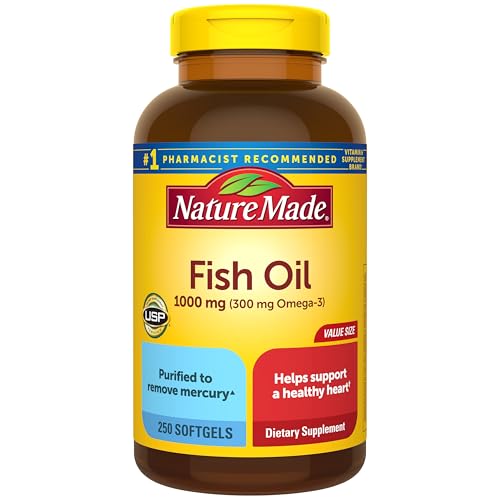
Nature Made Fish Oil Omega 3 Supplements, 1000mg Softgels, Omega 3 Fish Oil for Healthy Heart Support, 250 Softgels, 125 Day Supply
Heart health support supplement: contains one 250 count bottle of Nature Made Fish Oil 1000 mg Softgels for…
As an affiliate, we earn on qualifying purchases.
As an affiliate, we earn on qualifying purchases.
Conclusion
So, next time you spend time in the sun, remember that your favorite antioxidant-rich foods, like berries and nuts, can help your skin recover faster. It’s funny how a simple handful of almonds or a handful of blueberries could be just what your skin needs after a day outdoors. Keep these foods in mind—they might just become your secret weapon for glowing, healthy skin, especially when you accidentally forget your sunscreen.

Weleda Skin Food Original Ultra-Rich Body Cream 2.5 Fluid Ounce, Plant Rich Hydrating Moisturizer with Pansy, Chamomile and Calendula
INTENSIVELY HYDRATES DRY SKIN: the ultimate moisturizer for dry, rough skin, this rich, botanical formula transforms skin to…
As an affiliate, we earn on qualifying purchases.
As an affiliate, we earn on qualifying purchases.
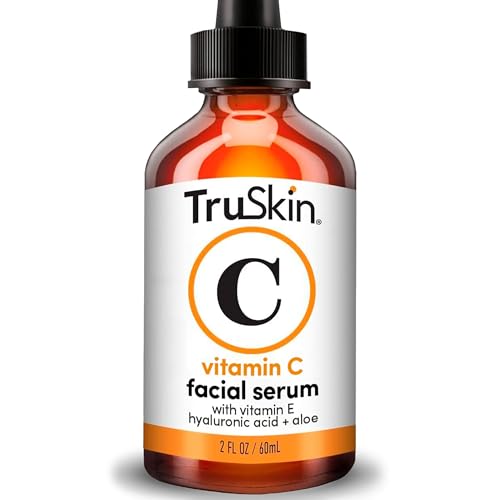
TruSkin Vitamin C Serum for Face – Anti Aging Face Serum with Hyaluronic Acid & Vitamin E – Brightening Formula for Improving Appearance of Dark Spots, Fine Lines & Wrinkles – All Skin Types, 2 Fl Oz
ADVANCED BRIGHTENING FORMULA: Vitamin C helps fight free radical damage and support natural collagen while improving the look…
As an affiliate, we earn on qualifying purchases.
As an affiliate, we earn on qualifying purchases.