
Bronzing happens when you gradually expose your skin to the sun with proper protection, resulting in an even, healthy-looking tan. Burning, on the other hand, occurs when you’ve exceeded your skin’s limit, causing redness, pain, and potential long-term damage. It is crucial to recognize the signs of overexposure and prioritize safety to avoid harm. Understanding your skin’s threshold helps you achieve a bronzed glow without risking burns—continue to explore how to stay safe while sun-tanning.
Key Takeaways
- Bronzing indicates controlled, gradual UV exposure leading to a healthy tan, while burning shows skin damage and inflammation.
- Recognizing redness, warmth, and pain helps differentiate between safe bronzing and harmful burning.
- Proper sun protection and limited exposure help reach a bronze glow without crossing into burning territory.
- The threshold is reached when skin turns red, hot, and uncomfortable, signaling overexposure and potential damage.
- Listening to your skin’s signals and reapplying sunscreen prevent accidental burning during tanning.
Have you ever wondered how to achieve a sun-kissed glow without damaging your skin? It’s a common concern, especially when you want that beautiful, bronzed look but also want to protect yourself from the harmful effects of the sun. The key lies in understanding the difference between bronzing and burning and knowing your limits. Sun protection plays an imperative role in this balance because it helps you enjoy the sun safely without risking skin damage. When you’re out in the sun, your skin absorbs ultraviolet (UV) rays, which can be beneficial in small doses for vitamin D production, but excessive exposure can lead to serious skin damage, premature aging, and increased risk of skin cancer. To avoid crossing the line from bronzing to burning, you need to be aware of your skin type, the intensity of the sun, and how long you stay exposed.
Bronzing occurs when your skin develops a natural, healthy-looking tan. This process is your body’s response to UV exposure, increasing melanin production to protect your skin from further damage. When you tan gradually and responsibly, you’re fundamentally giving your skin a glow without risking skin damage. It’s a sign that you’ve been in the sun long enough to produce melanin but not so long that your skin starts to show signs of harm. To achieve this, always use sun protection, like broad-spectrum sunscreen, which blocks both UVA and UVB rays. Applying sunscreen generously and reapplying every couple of hours, especially after swimming or sweating, helps prevent skin damage while allowing you to build a safe, even tan. Wearing protective clothing, seeking shade, and avoiding peak sun hours are also effective strategies to keep your skin safe. Remember, a responsible approach to sun exposure means you’re giving your skin the chance to bronze without risking burns or long-term damage.
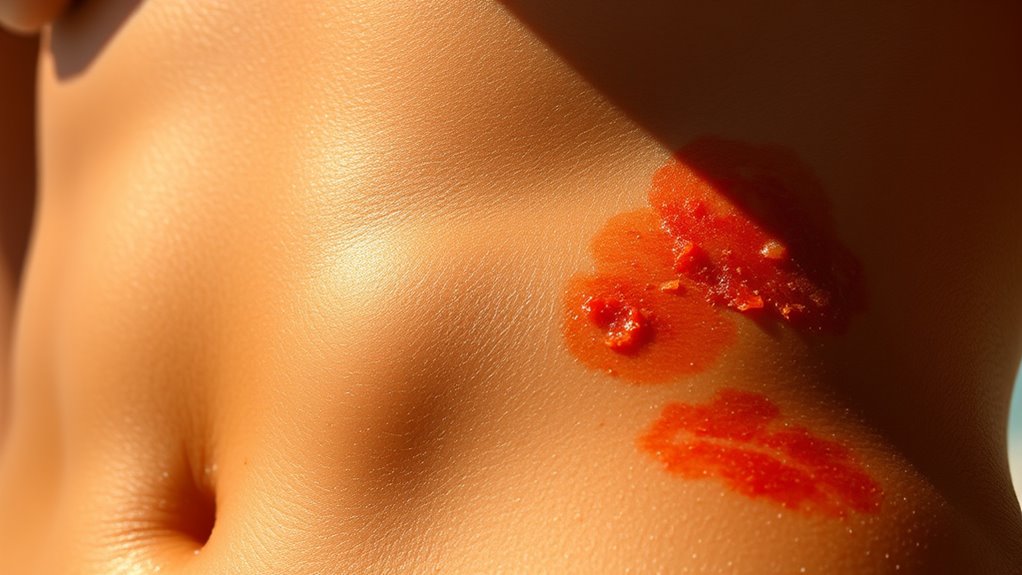
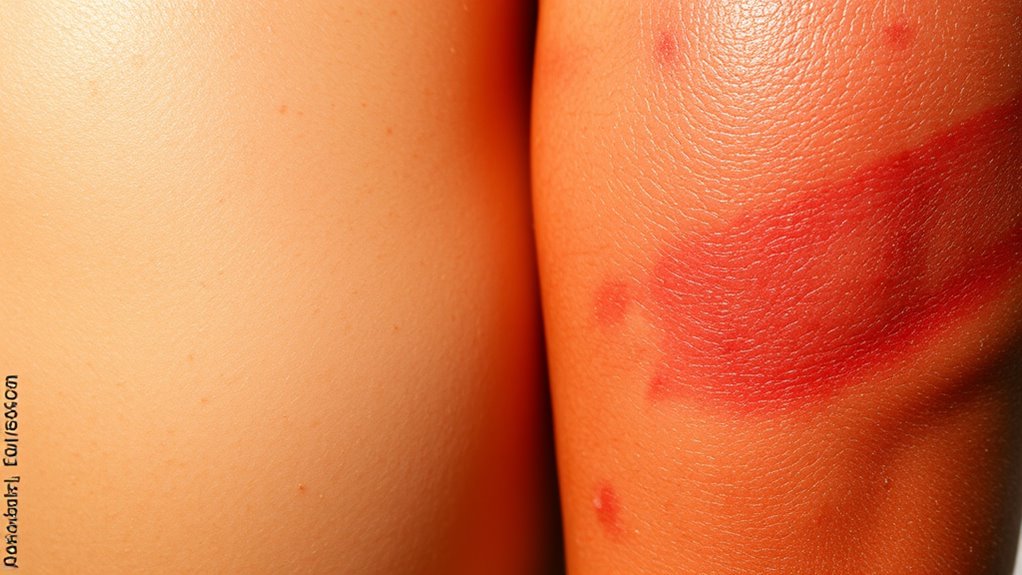
Burning, on the other hand, happens when your skin is exposed to too much UV radiation without adequate protection. It’s often painful, red, and inflamed, and it signals that your skin has sustained damage. When you burn, you’re not only risking immediate discomfort but also increasing your chances of skin damage that can lead to wrinkles, age spots, and skin cancer down the line. The difference between bronzing and burning often comes down to time and protection. If you notice your skin turning red or feeling hot, it’s a clear sign you’ve overstayed your welcome in the sun. To prevent this, always listen to your skin’s signals and take proactive steps like seeking shade and reapplying sunscreen frequently. Remember, the goal is to enjoy the sun safely—getting a glow doesn’t mean risking your skin’s health. With the right sun protection measures, you can achieve a beautiful bronze look without the pain, discomfort, or long-term skin damage associated with burning. Additionally, understanding UV exposure and its effects can help you better manage your time in the sun and protect your skin effectively.
Top picks for "bronz burn understand"
Open Amazon search results for this keyword.
As an affiliate, we earn on qualifying purchases.
Frequently Asked Questions
How Can I Tell if I’Ve Crossed From Bronzing to Burning?
You can tell you’ve crossed from bronzing to burning by observing your skin’s reaction and tanning indicators. If your skin turns red, feels painful, or develops blisters, you’ve likely burned. A gradual darkening with no discomfort suggests bronzing, but sudden redness or pain signals you’ve gone too far. Pay attention to how your skin responds to sun exposure, and stop when you notice these signs to avoid damage.
What Skin Types Are Most at Risk for Burning?
You’re most at risk of burning if you have sensitive skin or lower melanin levels. Skin sensitivity makes you prone to damage from UV rays, and lower melanin offers less natural protection. If your skin burns easily or turns red quickly, you should be especially cautious. To prevent burning, apply broad-spectrum sunscreen, seek shade, and limit sun exposure, especially during peak hours when UV rays are strongest.
Are There Any Long-Term Skin Effects From Burning?
Yes, burning can cause long-term skin effects. UV damage from burns accelerates skin aging, leading to wrinkles, fine lines, and loss of elasticity. It also increases your risk of skin cancers, including melanoma. When you burn your skin, you’re damaging your cells and collagen, which can have lasting impacts. Protect your skin by avoiding burns and always using broad-spectrum sunscreen, especially during peak UV hours.
How Does Sunscreen Influence the Bronzing Versus Burning Threshold?
Sunscreen SPF plays a vital role in influencing your bronzing versus burning threshold by enhancing your skin protection. When you apply a broad-spectrum sunscreen with adequate SPF, it helps you stay in the safe zone longer, allowing you to bronze rather than burn. This way, you get a natural tan without risking long-term skin damage. Remember to reapply regularly for maximum skin protection during sun exposure.
Can Certain Foods or Supplements Affect My Tan’s Development?
Certain foods and supplements can definitely influence your tan’s development through dietary influences and supplement effects. For example, foods rich in carotenoids, like carrots and sweet potatoes, may enhance your skin’s natural glow, making your tan appear richer. Supplements like beta-carotene or antioxidants can also boost your skin’s ability to tan while protecting against sun damage. However, always consult with a healthcare provider before adding new supplements to your routine.
Conclusion
Understanding the difference between bronzing and burning helps you protect your skin better. Did you know that 80% of skin aging is caused by sun exposure? By recognizing your skin’s threshold, you can avoid damage and enjoy a safe, healthy glow. Remember, a little bronzing is fine, but burning can lead to serious health risks. Stay mindful of your skin’s signals, and always prioritize sun safety for a brighter, healthier future.