Adapting your skincare routine for the seasons helps keep your skin healthy and glowing all year. In winter, switch to richer moisturizers with hyaluronic acid or ceramides to combat dryness and apply serums to boost hydration. During summer, focus on broad-spectrum SPF 30+ sunscreens, reapplying often, and using lightweight, oil-free products. As seasons change, adjust your routine to balance hydration, sun protection, and soothing ingredients. Learn more tips to perfect your year-round skincare strategy.
Key Takeaways
- Adjust moisturizer formulations seasonally: richer creams in winter, lightweight options in summer for optimal hydration and breathability.
- Incorporate season-specific actives, like hydrating serums in winter and antioxidant-rich products in summer, to address changing skin needs.
- Modify sun protection routines: use higher SPF and physical barriers during summer, and maintain daily SPF year-round for skin safety.
- Avoid hot water in winter; opt for lukewarm cleansing to prevent skin dryness and barrier damage.
- Reassess and tailor skincare products regularly to respond to environmental shifts and your skin’s evolving condition.
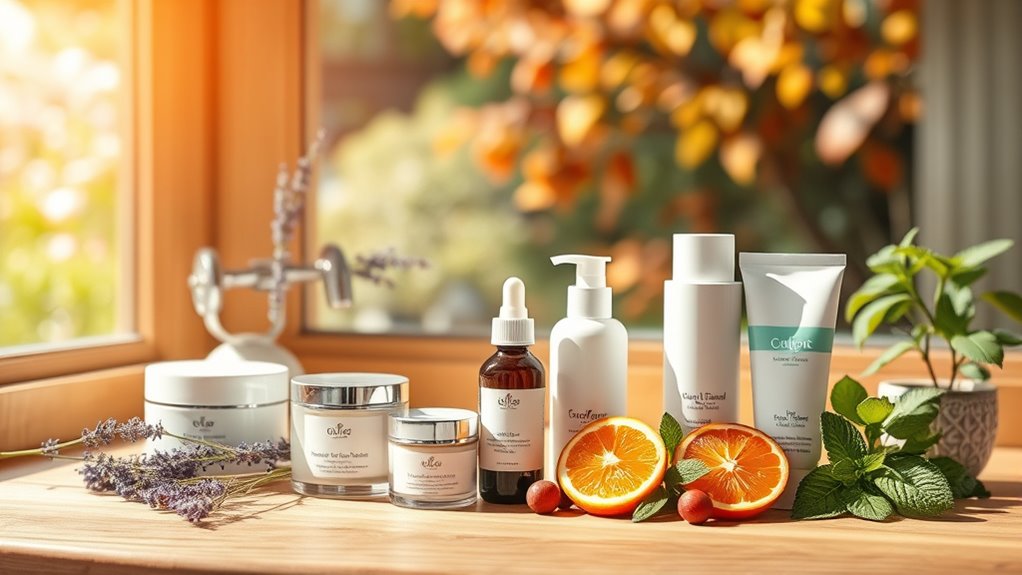
As the seasons change, so should your skincare routine to keep your skin healthy and glowing year-round. During colder months, you need to focus on winter hydration. The dry, cold air strips moisture from your skin, leaving it feeling tight, dull, and prone to flaking. To combat this, switch to a richer, more emollient moisturizer that locks in hydration. Look for products containing hyaluronic acid, glycerin, or ceramides, which help your skin retain water and restore its barrier. Don’t forget to apply moisturizer immediately after you shower or wash your face—this helps trap moisture effectively. Incorporating a gentle, hydrating serum can also boost your skin’s resilience during winter. Additionally, avoid hot water when washing your face or taking baths; hot water can further strip your skin of natural oils, exacerbating dryness. Instead, opt for lukewarm water to cleanse, and follow up with a hydrating moisturizer to seal in moisture. Properly preparing your skin with these protective measures can also help prevent irritation from harsh winter winds and cold temperatures.
In contrast, summer calls for a different set of priorities—primarily, summer sun protection. As the sun intensifies, your skin becomes more vulnerable to UV damage, which can cause premature aging, hyperpigmentation, and even skin cancer. To protect yourself, choose a broad-spectrum sunscreen with at least SPF 30, and apply it generously 15 minutes before heading outdoors. Make it a daily habit, even on cloudy days, because UV rays penetrate clouds. Reapply every two hours if you’re spending extended time outside, especially if you’re sweating or swimming. During summer, lightweight, oil-free sunscreens work well—they prevent clogging pores while offering essential protection. Besides sunscreen, incorporate physical barriers like hats, sunglasses, and seeking shade whenever possible. Using antioxidant serums containing vitamin C can also provide extra defense against environmental stressors, brightening your skin and reducing the visible effects of sun damage.
As temperatures transition from winter to summer and vice versa, adapt your skincare routines accordingly. During spring and fall, balance is key—use hydrating products that also offer some sun protection or anti-inflammatory ingredients to prepare your skin for upcoming weather shifts. Remember, your skin’s needs change with the seasons, and adjusting your routine isn’t just about product swaps. It’s about understanding your skin’s response to environmental factors and proactively caring for it. By paying attention to winter hydration and summer sun protection, you’ll maintain a radiant, healthy complexion all year long. Incorporating natural materials like linen and wood into your skincare space can also promote a calming, rustic atmosphere that complements your seasonal routine adjustments.

Advanced Clinicals Hyaluronic Acid Moisturizer Body Cream W/Vitamin E | Hydrating Cream & Body Lotion For Women & Men To Help Improve Look of Wrinkles, Dry Skin, Crepey Looking Skin, 16 Ounce
HYALURONIC ACID CREAM HYDRATES & VISIBLY PLUMPS DRY SKIN – This body cream provides hydration to visibly plump…
As an affiliate, we earn on qualifying purchases.
As an affiliate, we earn on qualifying purchases.
Frequently Asked Questions
How Can I Prevent Seasonal Breakouts?
To prevent seasonal breakouts, you should adapt your skincare to address seasonal dryness and humidity effects. Use a gentle cleanser to avoid clogging pores during humidity spikes, and switch to a lightweight moisturizer in humid months. During dry seasons, opt for richer creams. Keep your skin hydrated, avoid harsh products, and don’t forget sunscreen. Consistent cleansing and moisturizing tailored to each season help maintain clear skin all year round.
Should I Switch to Different Cleansers Each Season?
You might consider switching cleansers each season to address changing skin needs. During colder months, opt for a gentle cleanser that supports seasonal exfoliation and prevents dryness. In warmer months, choose a foaming or lighter formula to manage oil and sweat. Additionally, adjust your moisturizer accordingly, using a richer one in winter and a lighter, oil-free option in summer. These tweaks help keep your skin balanced year-round.
How Do I Protect My Skin From Seasonal Pollution?
Imagine a shield of fresh air around your face as you step outside. To protect your skin from seasonal pollution, wear air pollution masks when needed, creating a barrier against harmful particles. Incorporate antioxidant serums into your routine to fight free radicals caused by pollution. These simple steps help your skin stay resilient, radiant, and healthy, no matter the season. Stay vigilant and keep your skin protected daily.
Are There Specific Ingredients Better for Each Season?
You should choose ingredients based on seasonal needs, focusing on seasonal antioxidants like vitamin C in summer to combat sun damage and niacinamide in winter to strengthen your skin barrier. Pay attention to ingredient sensitivities, especially during extreme weather changes, to avoid irritation. Adjust your routine accordingly, incorporating nourishing oils in dry months and lightweight formulas when it’s hot and humid, ensuring your skin stays balanced year-round.
How Can I Adjust My Routine if I Have Sensitive Skin?
If you have sensitive skin, you should adjust your routine by choosing hypoallergenic products that minimize irritation. Look for soothing ingredients like aloe vera, chamomile, or oatmeal, which help calm your skin. Avoid harsh chemicals and fragrances that can trigger reactions. Incorporate gentle cleansers and moisturizers designed for sensitive skin, and always patch-test new products to confirm they won’t cause discomfort.
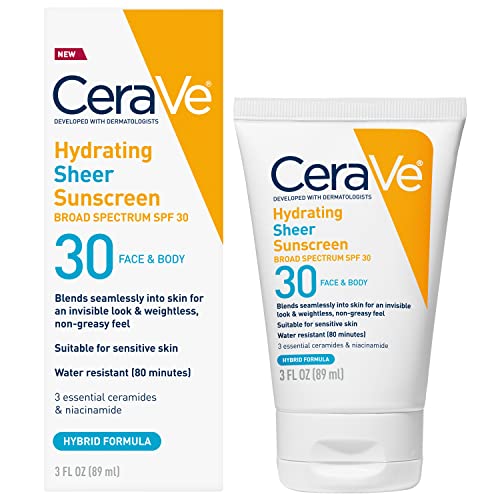
CeraVe Hydrating Sheer Sunscreen with SPF 30 for Face and Body, Mineral & Chemical Sunscreen for Men & Women with Zinc Oxide, Hyaluronic Acid and Ceramides, Paraben-Free + Fragrance-Free, 3 Ounces
[ FACE SUNSCREEN & BODY SUNSCREEN WITH SPF 30 ] CeraVe sunblock helps protect your skin against harmful…
As an affiliate, we earn on qualifying purchases.
As an affiliate, we earn on qualifying purchases.
Conclusion
As the seasons turn, so should your skincare routine—like a gardener tending to different plants, you adapt to each changing environment. Embrace the symbolism of the seasons as a reminder that your skin, too, needs nurturing and care in every phase. By listening to nature’s cues, you cultivate a radiant, resilient glow year-round. Remember, your skin’s health is a reflection of your mindful shifts—an ongoing journey of growth and renewal.

Alba Botanica Daily Oil Free Hydrating Moisturizer, with Hyaluronic Acid and Vitamin E, 3 Oz (Packaging May Vary)
One 3 oz. jar of Alba Botanica Daily Oil Free Hydrating Moisturizer, with Hyaluronic Acid and Vitamin E
As an affiliate, we earn on qualifying purchases.
As an affiliate, we earn on qualifying purchases.
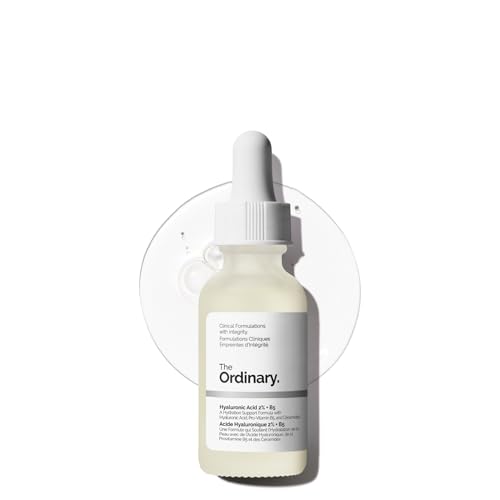
The Ordinary Hyaluronic Acid 2% + B5 (with Ceramides), Multi-Depth Hydration Serum for Plumper, Smoother Skin, 1 Fl Oz
INSTANT HYDRATION: Provides immediate, long-lasting hydration for smoother, plumper, and healthier-looking skin.
As an affiliate, we earn on qualifying purchases.
As an affiliate, we earn on qualifying purchases.