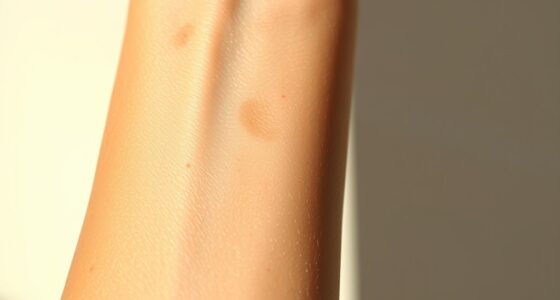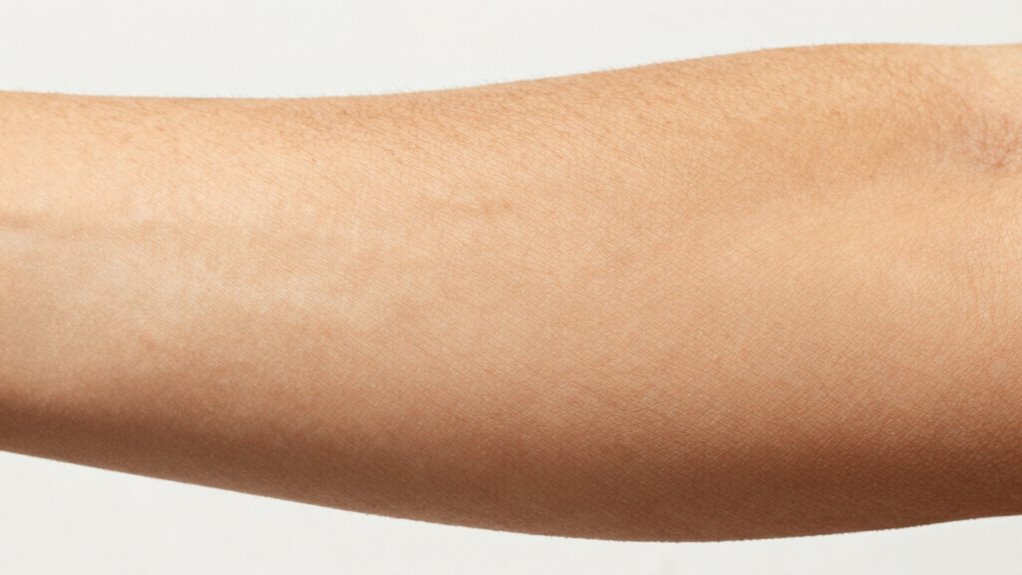

Repeated tanning gradually darkens your skin by increasing melanin production, which makes your skin appear deeper and longer-lasting. Over time, it causes structural changes, weakening collagen and elastin, leading to sagging and fine lines. The skin’s texture can become uneven, dull, and aged-looking due to cumulative damage from UV rays. If you keep exposing your skin to tanning, these changes will become more permanent. Want to find out how to protect your skin better?

Get beauty and skincare favorites delivered free with Prime
- Fast, free delivery on millions of items
- Prime Video, Amazon Music and more included
- Member-only deals all year
Key Takeaways
- Repeated tanning increases melanin, leading to darker, more persistent skin coloration over time.
- Continuous exposure causes structural skin changes, affecting elasticity and causing sagging or fine lines.
- Tanning damages collagen and elastin fibers, resulting in duller, less vibrant skin with uneven texture.
- Cumulative UV damage accelerates skin aging and promotes hyperpigmentation and texture irregularities.
- Long-term tanning risks include permanent skin damage and higher skin cancer susceptibility.
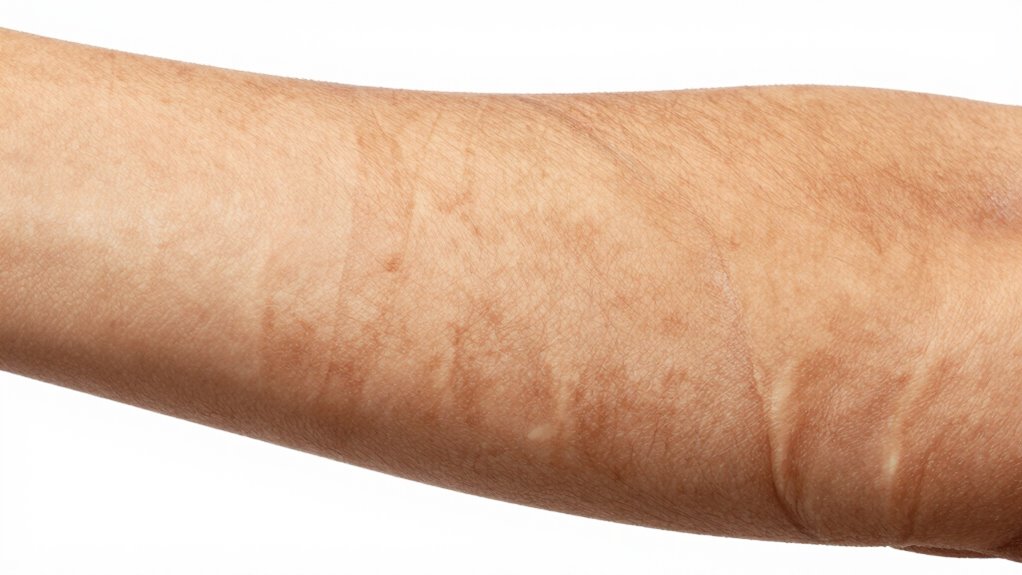
Repeated tanning causes your skin to change gradually over time, often leading to noticeable differences in color and texture. As you spend more time in the sun or use tanning beds, your skin responds by producing more melanin, the pigment responsible for darker skin tones. This increased melanin production results in a deeper, more sustained tan but also triggers long-term changes beneath the surface. Over repeated sessions, your skin’s natural ability to produce melanin becomes more active, which is why your skin darkens faster and stays tanned longer with continued exposure. However, this constant stimulation can have downsides, especially when it comes to your skin’s elasticity.
Repeated tanning boosts melanin but weakens skin’s elasticity over time, causing sagging and texture changes.
Your skin’s elasticity refers to its ability to stretch and return to normal, which is essential for maintaining a youthful, firm appearance. Repeated tanning accelerates the breakdown of collagen and elastin fibers, the structural proteins that keep your skin resilient and smooth. As these fibers weaken, your skin begins to lose its firmness and starts to sag or develop fine lines sooner than it would naturally. The damage caused by UV rays from tanning sessions also diminishes your skin’s elasticity over time, making it less capable of bouncing back after stretching or movement. This gradual loss of elasticity contributes to a duller, less vibrant complexion and can make skin look older than it actually is.
Every time you tan, you’re not just darkening your skin temporarily; you’re also encouraging structural changes that may be difficult to reverse. The increased melanin production is a double-edged sword. While it helps protect your skin from some UV damage temporarily, it also signals your body to produce more pigment in response to repeated exposure. Over time, this can lead to uneven skin tone and hyperpigmentation, further altering your skin’s appearance**. The cumulative effect of these changes means that your skin might look darker, more textured, and less elastic than before you started tanning regularly. Additionally, the damage from UV rays** can be cumulative, making it even more challenging to maintain healthy skin with prolonged tanning habits.
Furthermore, repeated UV exposure can cause permanent skin damage, which may increase the risk of skin cancer in the long run. The damage to skin’s structural components and pigment cells highlights the importance of protecting your skin from excessive tanning.
Understanding these effects underscores the importance of skin protection and moderation when it comes to tanning practices.
sunscreen for tanning protection
As an affiliate, we earn on qualifying purchases.
As an affiliate, we earn on qualifying purchases.
Frequently Asked Questions
Can Tanning Cause Long-Term Skin Damage?
Yes, tanning can cause long-term skin damage. Exposure to UV rays from tanning increases your risk of sun damage, which leads to premature aging and skin discoloration. Repeated tanning weakens your skin’s structure, making it more prone to wrinkles and sunspots. Over time, this damage accumulates, considerably raising the risk of skin cancer. Protect your skin by avoiding excessive tanning and using broad-spectrum sunscreen.
Does Tanning Affect Skin Elasticity Over Time?
Tanning can indeed affect your skin’s elasticity over time. You might notice your skin becoming less firm as repeated exposure accelerates collagen breakdown. It’s a double whammy—tanning may seem harmless, but it gradually robs your skin of its natural bounce. Think of it as kicking the can down the road; the damage accumulates, leading to sagging and loss of skin firmness. Protect your skin now to keep it youthful longer.
Are There Safer Alternatives to Tanning?
Yes, there are safer alternatives to tanning. Sunless options like self-tanners and spray tans give you a bronzed look without damaging your skin. To protect your skin, always use sunscreen and wear protective clothing when outdoors. These protective measures help prevent UV damage, reduce premature aging, and lower skin cancer risk. Embracing sunless tanning and proper protection allows you to achieve a healthy glow safely.
How Does Tanning Impact Skin Pigmentation?
Did you know that tanning increases melanin production, which causes your skin to darken? When you tan repeatedly, this excess melanin leads to uneven skin discoloration and a more permanent change in your skin’s appearance. Over time, the skin’s pigmentation becomes less uniform, making your skin look mottled or dull. So, while a tan may seem attractive, it actually alters your natural skin tone and can cause lasting pigmentation issues.
Can Tanning Lead to Premature Skin Aging?
Yes, tanning can lead to premature skin aging. When you tan repeatedly, your skin develops damage from ultraviolet (UV) rays, causing skin discoloration and age spots. Over time, this damage breaks down collagen and elastin, making your skin less firm and more wrinkled. The more you tan, the faster these signs appear, accelerating the aging process and increasing your risk of other skin issues.
Conclusion
By tanning repeatedly, you change your skin’s look, tone, and texture little by little. You develop a deeper tan, yet risk uneven patches; you enjoy a sun-kissed glow, but face premature aging; you crave that bronzed appearance, yet compromise your skin’s health. Recognize these changes, understand their causes, and choose wisely. Because every tan you chase today shapes your skin’s future—so make each decision mindful, each moment sunlit, and each reflection meaningful.
Fall Picks
fall essentials
As an affiliate, we earn on qualifying purchases.