
Spending more time in a tanning bed doesn’t make your skin darker or the tan deeper. Extended sessions only increase your UV exposure without improving results, since the skin’s response is limited. Overexposing your skin raises the risk of burns, skin aging, and long-term damage. Safe tanning comes from sticking to recommended session times. If you want to understand how to tan effectively and protect your skin, there’s more to discover below.
Listen free for 30 days with Audible
Thousands of audiobooks and originals — cancel anytime.
As an affiliate, we earn on qualifying purchases.
Key Takeaways
- Extending tanning sessions doesn’t deepen or intensify the tan; it only increases UV exposure without added benefit.
- Skin’s response to UV is limited; beyond recommended times, no darker or longer-lasting tan occurs.
- Overexposure raises skin damage and burn risks, which do not translate into better tanning results.
- Tanning beds are designed to deliver a specific UV dose; more time doesn’t increase tanning, just harm.
- Safe tanning relies on proper session limits, not longer durations, to achieve natural, even results.
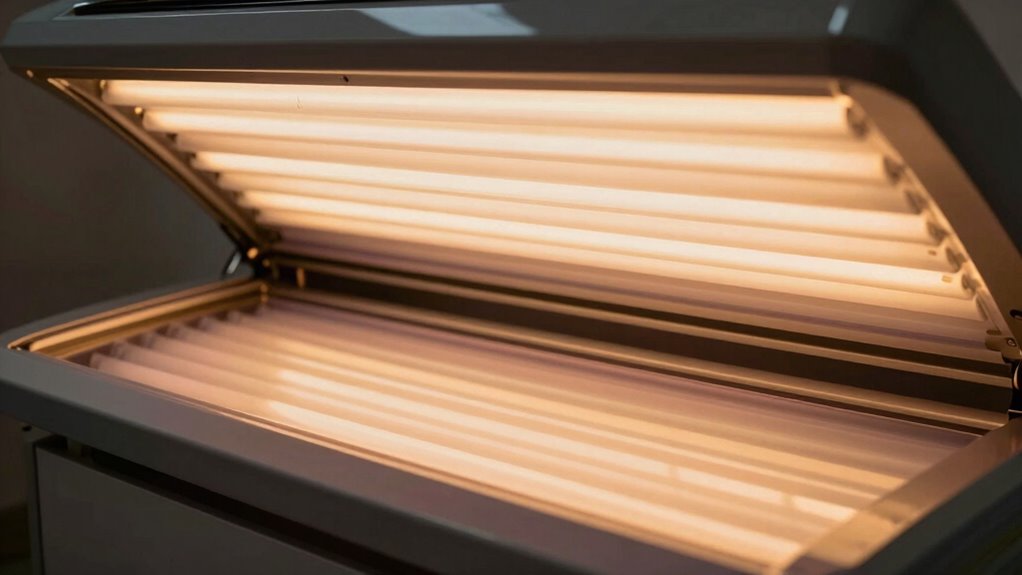
Many people assume that spending more time in a tanning bed will lead to a deeper, more lasting tan, but that’s a misconception. Increasing your session time doesn’t necessarily mean you’ll get better results. Instead, it just raises your exposure to UV rays, which can harm your skin rather than improve your tan. When you stay in a tanning bed longer than recommended, you’re fundamentally increasing your UV exposure considerably, and this can accelerate skin aging and damage. Your skin responds to UV radiation by producing more melanin, which creates that tan, but beyond a certain point, additional exposure doesn’t deepen the tan—it just increases risks.
More time in a tanning bed won’t deepen your tan—just increase skin damage and aging risks.
Your skin has a limit to how much UV it can handle safely. Pushing past that limit doesn’t make the tan darker in a healthy way; it just causes damage. Overexposure to UV rays can lead to premature skin aging, which includes wrinkles, age spots, and loss of skin elasticity. The more UV exposure your skin endures, the faster these signs of aging appear. Instead of achieving a better or longer-lasting tan, you’re likely to accelerate the aging process and make your skin look older before its time.
Furthermore, the idea that longer sessions are better ignores the fact that tanning beds are designed to deliver a specific amount of UV radiation in a controlled manner. Going beyond the recommended time doesn’t yield a richer tan but increases the likelihood of burns and skin damage. Tanning beds emit UVA and UVB rays, which penetrate deep and cause cellular damage, even if you don’t get sunburned. Over time, this damage accumulates, leading to skin discoloration, fine lines, and a higher risk of skin cancers. UV exposure limits are established to help you understand safe tanning practices.
Understanding UV radiation limits can help you make safer choices about tanning. To get the best results without risking your skin’s health, stick to the recommended session times. Less is often more when it comes to UV exposure. You’ll achieve a more natural, even tan, and you reduce the risk of long-term skin issues. Additionally, overexposure can sometimes cause immediate skin reactions such as burns, which further damage your skin and negate the benefits of tanning. It’s also important to recognize that personal tolerance to UV rays varies, so listening to your skin’s response is crucial. Remember, the goal isn’t just a quick, dark tan but a safer, healthier approach to tanning. Your skin ages faster with unnecessary UV exposure, so limit your time in the tanning bed and prioritize your skin’s health over trying to speed up your tan.

Super Sunnies FDA Compliant Flex UV Red Light Tanning Bed Goggles – Black
- Tanning Bed Goggles: 2 pack for salons and booths
- Red Light Therapy Protection: Protects eyes during therapy sessions
- UV Light Glasses: Designed for indoor tanning use
As an affiliate, we earn on qualifying purchases.
As an affiliate, we earn on qualifying purchases.
Frequently Asked Questions
Can Overexposure in a Tanning Bed Cause Long-Term Skin Damage?
Overexposure in a tanning bed can definitely cause long-term skin damage. UV radiation harms your skin’s elasticity, leading to premature aging, wrinkles, and sagging. It also increases your risk of skin cancers. When you stay in the bed too long, you expose your skin to more UV radiation than it can handle, accelerating damage. Always limit your tanning time to protect your skin’s health and maintain its youthful appearance.
Is There an Ideal Tanning Duration for All Skin Types?
There’s no one-size-fits-all for tanning duration because skin types and responses vary. You should follow the advice of tanning myths, which warn against overexposure, and recognize skin adaptation, which means your skin gets used to UV exposure over time. Always start with short sessions, listen to your body, and adjust accordingly. Prioritize safety over myths, and remember, healthier skin is better than a darker tan.
How Does Skin Color Influence Tanning Bed Session Length?
Your skin color influences your tanning bed session length because skin sensitivity and tanning thresholds vary. Lighter skin tends to have lower tanning thresholds and may burn easily, so shorter sessions are safer. Darker skin usually has higher thresholds, allowing longer sessions without burning. Always start with shorter durations, monitor your skin’s response, and adapt accordingly. Listening to your skin helps prevent damage and ensures a safe, effective tan.
Are There Safe Alternatives to Tanning Beds for a Tan?
You can get a safe tan without tanning beds by trying natural sunlight in moderation or opting for spray tanning. Natural sunlight provides vitamin D benefits, but limit your exposure to avoid skin damage. Spray tanning offers an instant, even color without UV rays. Both options are safer choices that help you achieve a tan while protecting your skin from harm. Always prioritize skin health over quick results.
What Are the Signs of Over-Tanning or Skin Burn?
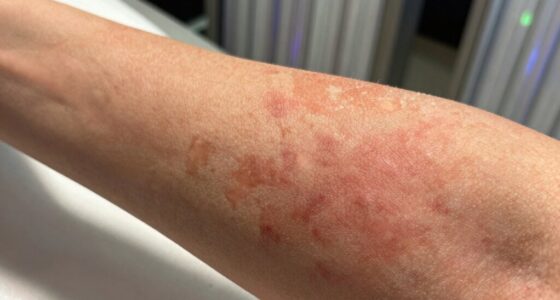
Think of your skin as a canvas; over-tanning leaves it battered and bruised. Signs of over-tanning or skin burn include sunburn symptoms like redness, pain, and warmth. You might also notice skin peeling, which signals damage. If you see blistering, swelling, or intense discomfort, you’re risking serious harm. Always listen to your body—these signs warn you to stop before irreversible damage occurs.
Conclusion
Remember, spending more time in a tanning bed doesn’t guarantee a deeper or darker tan. Overexposure can lead to skin damage and health risks. For example, imagine Sarah, who increased her sessions thinking it’d speed up her tan. Instead, she ended up with burns and irritation. Stick to recommended times, and focus on gradual, safe tanning. Your skin will thank you, and you’ll achieve better, healthier results without the risks of overdoing it.
Fall Picks
fall essentials
As an affiliate, we earn on qualifying purchases.