
A healthy tan results from safe sun exposure or fake tanning, without damaging your skin. If your skin darkens gradually with no redness, irritation, or dryness, it’s likely safe. However, if your skin turns darker after sun exposure with signs like redness, rough patches, or uneven pigmentation, it’s a sign of damage. Recognizing these early signals helps you protect your skin better—keep going to learn how to tell the difference clearly.
Key Takeaways
- A healthy tan results from safe methods like spray tanning, without UV exposure or skin damage signs.
- Skin damage shows persistent redness, dryness, uneven pigmentation, wrinkles, or rough patches.
- UV damage accelerates aging signs, such as wrinkles and sagging, unlike a natural, healthy glow.
- Protect your skin with sunscreen and protective clothing to prevent damage and maintain a youthful appearance.
- Visible early signs of damage include irregular pigmentation and rough texture, indicating the need for skin care precautions.
Many people seek a suntan to achieve a healthy glow, but it’s important to understand the risks involved. When you spend time in the sun, your skin is exposed to ultraviolet (UV) rays, which can lead to more than just a darker complexion. While a tan might make you feel confident, it’s actually a sign that your skin has been damaged. UV exposure accelerates skin aging, breaking down collagen and elastin, the proteins responsible for keeping your skin firm and youthful. Over time, this damage manifests as wrinkles, fine lines, age spots, and sagging skin. If you’re aiming for that sun-kissed look, you might be unknowingly speeding up the aging process, making your skin look older than your years.
Understanding how UV exposure affects your skin can help you make smarter choices. When UV rays penetrate your skin, they cause cellular damage that triggers an inflammatory response, leading to visible signs of aging. Repeated exposure without protection accelerates this process, increasingly compromising your skin’s health and appearance. It’s not just about the visible effects; UV damage also increases your risk of skin cancers. The more you expose your skin to UV rays without protection, the higher your chances of developing melanoma or other skin cancers later in life.
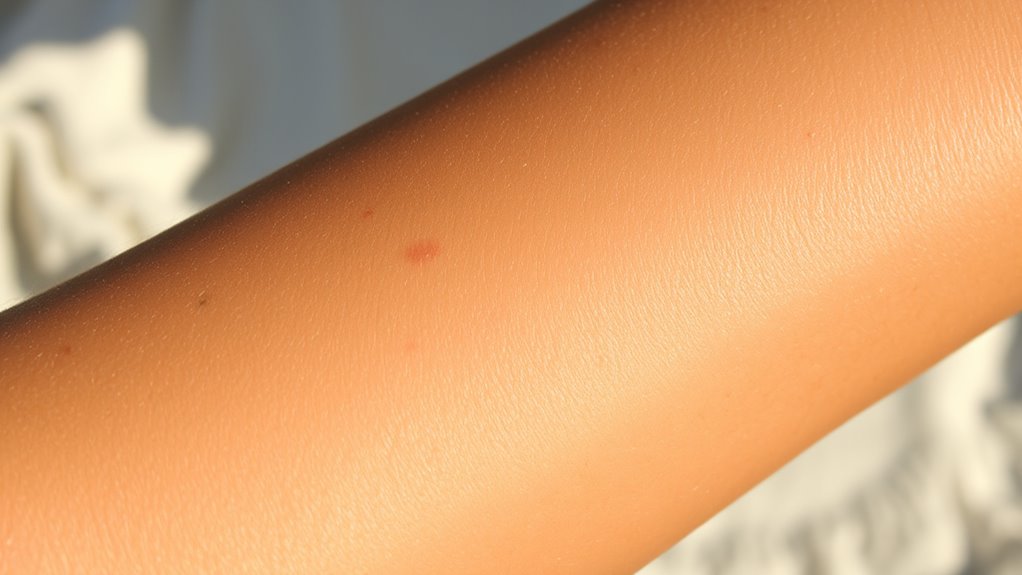
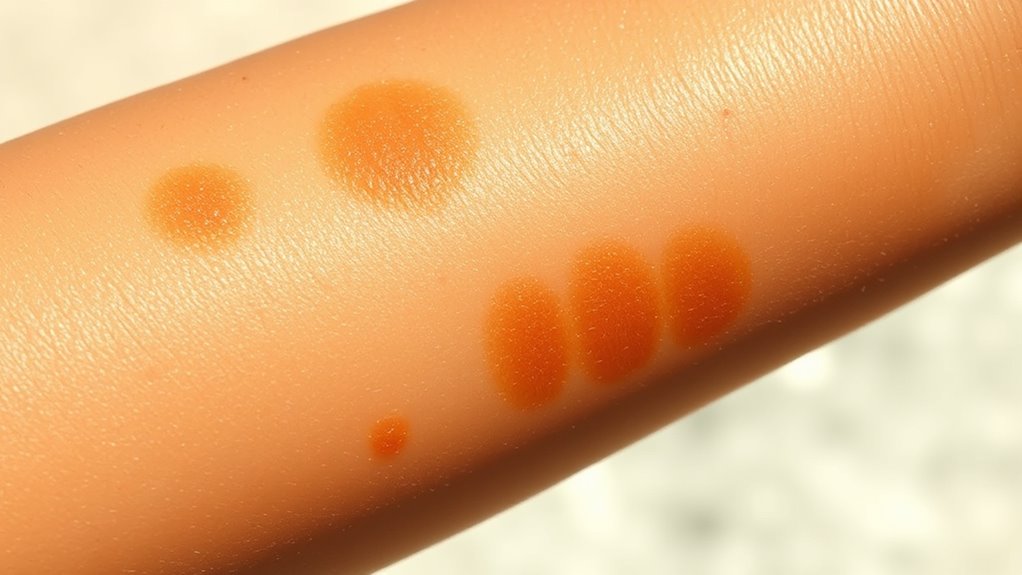
The key to telling a healthy tan from skin damage lies in how your skin reacts and how it looks over time. A healthy tan, if achieved through safe methods like spray tans or self-tanning products, won’t cause UV damage or skin aging. But if your skin turns darker after sun exposure, especially if it’s accompanied by redness, sunburn, or irritation, these are signs of damage. Persistent dryness, uneven pigmentation, or rough patches are also indicators that your skin has been compromised. Over time, these signs become more pronounced, revealing that your skin is aging prematurely due to UV exposure. Recognizing early signs of skin damage can help you take proactive steps to protect yourself.
It’s vital to be vigilant about how your skin responds to sun exposure. If you notice increased wrinkles, sagging, or pigmentation changes, it’s a sign that your skin has suffered from accumulated UV damage. Protecting your skin with broad-spectrum sunscreen, seeking shade, and wearing protective clothing can help prevent further harm. Remember, a genuine healthy glow comes from well-maintained, protected skin, not from risking skin damage that accelerates aging. Being mindful of UV exposure helps preserve your skin’s youthful appearance and reduces the risk of long-term skin problems.
Frequently Asked Questions
Can a Tan Last Longer Without Damaging My Skin?
Yes, your tan can last longer without damaging your skin by opting for sunless tanning products instead of prolonged sun exposure. Make sure to keep your skin well-hydrated, as hydrated skin holds color better and looks healthier. Avoid over-exposure to UV rays, and maintain a good skincare routine. This way, you enjoy a lasting tan while protecting your skin from damage and keeping it moisturized.
Are There Natural Ways to Get a Healthy-Looking Tan?
Yes, you can achieve a natural-looking tan through sunless alternatives like self-tanning lotions or sprays. These products give you a healthy glow without UV exposure, reducing skin damage risk. For a more natural result, choose products with ingredients like DHA and guarantee proper application. Alternatively, you can enjoy natural tanning by spending limited time in the sun, but always wear sunscreen and avoid peak hours to protect your skin.
How Can I Tell if a Tan Is Causing Long-Term Skin Damage?
You can tell if a tan is causing long-term skin damage by noticing changes in your skin’s elasticity, which may feel less firm over time. Excessive UV exposure often leads to premature aging signs like wrinkles and age spots. If your skin becomes dry, discolored, or develops uneven texture, these are signs of damage. Regularly check your skin and limit UV exposure to protect your long-term skin health.
Do Certain Skin Types Tan More Safely Than Others?
Certain skin types can tan more safely than others. If you have darker skin, your melanin provides some natural protection, making tanning relatively safer. However, those with fair or sensitive skin are more prone to damage from UV exposure, risking burns and long-term harm. To verify proper tanning safety, identify your skin type and limit sun exposure accordingly, always using broad-spectrum sunscreen and protective clothing to minimize skin damage risks.
Are There Specific Signs That a Tan Has Turned Into Skin Damage?
Yes, signs your tan may have turned into skin damage include sunburn symptoms like redness, pain, and peeling, along with pigmentation changes such as dark spots or uneven tone. If your skin feels tender, inflamed, or shows visible discoloration, it’s a clear warning. Keep an eye on these symptoms, and if they persist, consult a dermatologist to prevent further damage and protect your skin’s health.
Conclusion
Think of your skin as a delicate garden. A healthy tan is like a well-tended bloom—glowing, vibrant, and cared for. But skin damage is like weeds taking over, slowly choking the life out of your beauty. Stay vigilant, nurture your skin with protection and care, and avoid letting harmful rays turn your garden into a wasteland. By choosing smart habits, you’re cultivating a radiant, resilient landscape that can thrive for years to come.