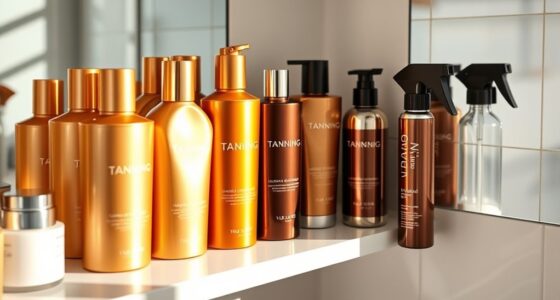

Tanned skin is often associated with health, vitality, and an active lifestyle, especially in Western cultures that value outdoor leisure. It can boost your confidence and make you appear more attractive and approachable. Cultural perceptions link a tan to relaxation and success, while others see it as a sign of leisure or social status. Your personal feelings about skin tone can influence your self-image and social interactions. To uncover more about this colorful psychology, continue exploring how cultural meanings shape perceptions of tanned skin.
Key Takeaways
- Tanned skin is often associated with vitality, health, and active outdoor lifestyles in many cultures.
- It can evoke feelings of relaxation, leisure, and confidence, influencing emotional well-being.
- Societal perceptions link tanned skin to attractiveness and social success, shaping personal self-image.
- The color psychologically symbolizes warmth, energy, and a carefree attitude, impacting social interactions.
- Cultural differences influence whether tanned skin is seen as desirable or a sign of lower socioeconomic status.
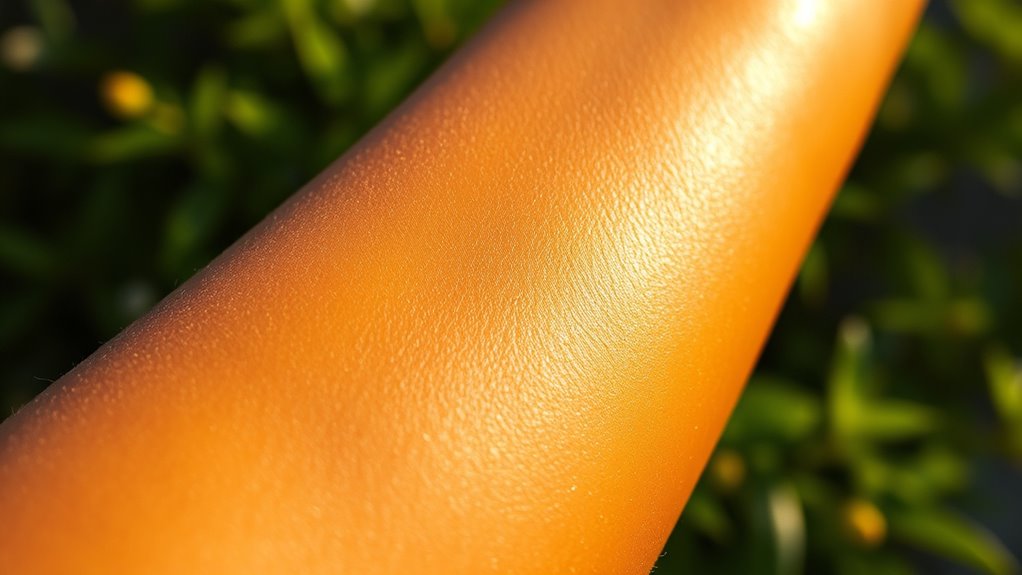
Tanned skin often carries powerful psychological associations that influence how others perceive you and how you feel about yourself. When people see a sun-kissed glow, they often interpret it through the lens of skin tone symbolism, which varies widely across cultures. In many Western societies, a tan is linked to health, vitality, and leisure. It signals that you’ve spent time outdoors, enjoying life and embracing an active lifestyle. This perception can boost your confidence, making you feel more attractive and approachable. Conversely, in some cultures, especially where fair skin is prized, a tan might be seen as a sign of lower status or less refinement, reflecting different cultural perceptions of beauty and social standing.
Understanding these cultural perceptions can help you see how your skin tone influences social interactions and personal identity. If you live in a culture that celebrates tanning, having a darker hue might make you feel more confident, attractive, and in tune with societal ideals. It can also affect how others treat you—people might associate your tanned skin with success, relaxation, or a carefree attitude. On the other hand, in cultures that favor lighter skin, a tan could sometimes be viewed negatively, associated with manual labor or lower socioeconomic status. These perceptions shape not just how others see you but also how you see yourself.
Cultural perceptions of skin tone shape confidence, social treatment, and self-image across societies.
The psychology behind tanning influences more than just societal views; it impacts your self-image. If you associate a tan with positive qualities like health and attractiveness, you’re more likely to seek out ways to achieve that look, whether through sun exposure or tanning products. This desire can boost your self-esteem when your skin matches the cultural ideal. However, it can also lead to feelings of inadequacy if you’re unable to attain that perfect glow or if societal standards shift. Recognizing that these perceptions are culturally constructed allows you to develop a healthier perspective on your skin tone and beauty standards.
Moreover, the emotional impact of having tanned skin can go beyond societal perceptions. A tan might evoke feelings of relaxation, vacation, and leisure, creating a mental association with enjoyable moments. This emotional connection can enhance your overall mood and confidence. Yet, it’s crucial to remember that skin tone symbolism varies, and what signifies beauty or vitality in one culture may not hold the same meaning elsewhere. Embracing your natural skin tone or choosing how to modify it should ultimately be a personal decision, free from the pressure of societal expectations. Recognizing the influence of cultural perceptions empowers you to make choices that reflect your true self, rather than just conforming to external standards.

DYNAMIC SAUNAS Barcelona 1- to 2-Person Low EMF FAR Infrared Sauna with Red Light Therapy & Bluetooth Speakers | Personal Indoor Dry Heat Sauna for Home & Gym – Made from Canadian Hemlock
Efficient 360° PureTech Heating: Built with natural Canadian hemlock wood and 6 dynamic low EMF carbon PureTech infrared...
As an affiliate, we earn on qualifying purchases.
Frequently Asked Questions
How Does Tanned Skin Influence Professional Perceptions?
Tanned skin can influence professional perceptions by aligning with beauty standards that favor a healthy, confident appearance. When you have a tan, others may see you as more confident and approachable, boosting your credibility. However, it’s important to remember that perceptions vary, and over-reliance on tanned skin might overshadow your skills. Ultimately, a genuine, professional attitude combined with confidence makes the strongest positive impression.
Can Tanned Skin Affect Social Status Judgments?
Yes, tanned skin can influence social status judgments because it often aligns with current beauty standards and attractiveness perceptions. When you have a tan, people might see you as healthier, more confident, or wealthier, which can elevate your social status in their eyes. This perception stems from cultural ideals where a tan is associated with leisure, success, and an attractive appearance, impacting how others perceive your social standing.
Does Tanning Impact Perceived Health Beyond Skin Color?
Tanning can boost your perceived health, but it may also send mixed signals about your skin authenticity. While a tan often enhances your tanning confidence, making you appear more vibrant and healthy, it can also mask natural skin cues that reveal true health status. You might look sun-kissed and energetic, yet others could question whether your glow is genuine or artificially achieved.
How Does Cultural Background Alter Tanned Skin Perceptions?
Your cultural background deeply influences how you perceive tanned skin. In some cultures, tanning aligns with beauty standards and symbolizes health, making it highly desirable. In others, natural or lighter skin is preferred, and tanning may be seen as less attractive or even unhealthy. Tanning norms shape your opinions, often dictating what’s considered beautiful. You may subconsciously associate tanned skin with confidence and vigor, depending on your cultural beauty ideals.
Are There Psychological Effects Linked to Choosing to Tan or Not?
Choosing to tan or not influences your psychological well-being by aligning with beauty standards and tanning motivations. When you tan, you might feel more attractive, confident, or socially accepted, boosting your self-esteem. Conversely, avoiding tanning can foster a sense of authenticity, health, and natural beauty. Your choices reflect personal values and cultural influences, impacting how you perceive yourself and how others perceive you, shaping your overall mental outlook.

KASUE Portable Infrared Sauna, Steam Sauna with XL Steamer, 5-Layer Waterproof & Heat Insulation for Relaxation, Detoxification, Muscle Pain Relief Indoor & Outdoor(Obsidian Black)
【Spa-Quality Detox & Relaxation at Home】This advanced infrared sauna combines infrared heat with steam to promote detoxification, ease...
As an affiliate, we earn on qualifying purchases.
Conclusion
Now that you understand the subtle power of tanned skin’s color psychology, imagine the impact it could have on how others perceive you. Will you embrace that sun-kissed glow and unlock new confidence? Or will you wonder what secrets lie behind that golden hue? The choice is yours, and the story you tell through your skin is waiting to unfold. Are you ready to discover what your tan truly says about you? The next chapter starts now.

KASUE Upgraded 2 Person Sauna, Portable Infrared Sauna with 5-Layer Waterproof, 2 Steamers, 2 Folding Chair, 71”x 36”x 49” for Indoor, Outdoor, Gym, Spa, Carbon Black
Extra-Large Space: Unwind in the generous interior of this 2 person sauna (71" x 49" x 36"). The...
As an affiliate, we earn on qualifying purchases.

Albott Outdoor Sauna 1 Person, Infrared Saunas for Home, Low EMF 110V Spruce Wood Dry Sauna with Tourmaline Stone Foot Warmer, 7-Color Light Therapy & 2 Bluetooth Speakers, 33.5"x35.4"x78.7"
Built for Outdoor Durability: Designed with a premium asphalt shingle roof, ridge cover shingles, and an integrated waterproof...
As an affiliate, we earn on qualifying purchases.