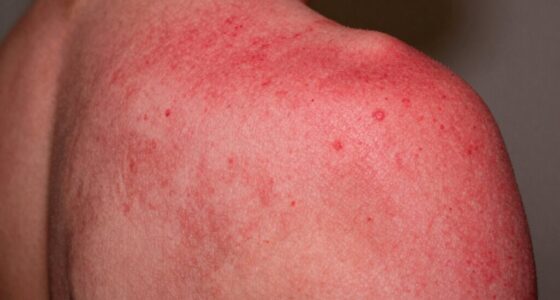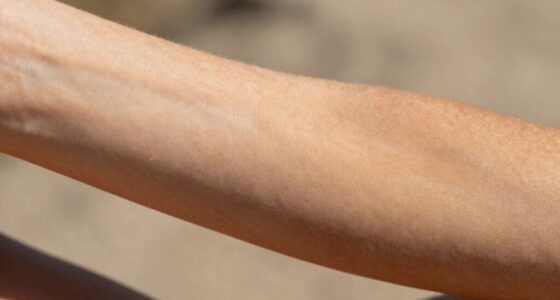
After a long day in a tanning bed, your skin endures cellular damage, which can accelerate aging signs like wrinkles and fine lines. UV exposure dehydrates your skin, causing dryness, dullness, and loss of natural moisture. You might notice redness or inflammation from the damage, and your skin’s barrier becomes disrupted, making it more sensitive. If you keep going, you’ll discover how to protect and care for your skin to minimize long-term harm.

Get beauty and skincare favorites delivered free with Prime
- Fast, free delivery on millions of items
- Prime Video, Amazon Music and more included
- Member-only deals all year
Key Takeaways
- UV rays stimulate melanin production, causing a temporary bronzed appearance but increasing cellular damage.
- Prolonged exposure leads to skin dehydration, dryness, and disruption of the skin’s moisture barrier.
- Skin may become red, inflamed, and irritated due to UV-induced cellular damage and inflammation.
- Repeated tanning accelerates skin aging, resulting in wrinkles, fine lines, and uneven skin tone.
- Post-tanning, the skin needs hydration and soothing care to minimize damage and restore moisture.
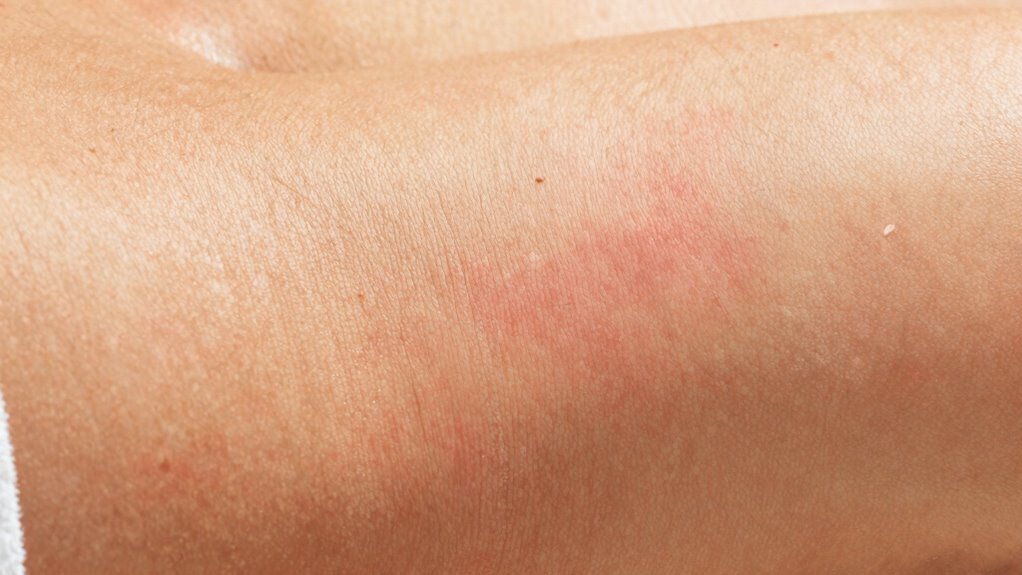
Have you ever wondered what happens to your skin after a tanning bed session? When you step out of the tanning bed, your skin has experienced a significant amount of UV exposure, which triggers complex reactions beneath the surface. UV rays penetrate your skin and stimulate the production of melanin, the pigment responsible for that bronzed glow. While this process might make you feel good about your appearance, it also causes damage at a cellular level. The more UV exposure your skin endures, the higher the risk of premature aging, wrinkles, and even skin cancer over time. After a long day in the tanning bed, your skin is likely to be dehydrated because UV rays can strip away skin hydration, leaving your skin feeling tight, dry, and sometimes flaky. This dehydration occurs because UV exposure damages the skin’s outer layer, disrupting its natural ability to retain moisture.
Your skin’s natural barrier becomes compromised after prolonged UV exposure, which means it loses some of its capacity to hold onto water. As a result, you might notice your skin looking dull or feeling rough. It’s essential to recognize that dehydration isn’t just a surface issue—it can also make your skin more sensitive and prone to irritation. To counteract this, you need to take steps to restore your skin’s hydration levels. Drinking plenty of water helps, but topical hydration is equally important. Applying a moisturizer rich in hyaluronic acid or glycerin can help replenish lost moisture and restore the skin’s elasticity. Additionally, understanding UV damage can help you make informed decisions about protecting your skin in the future. It’s also beneficial to incorporate skin repair practices to support healing after UV exposure.
In addition to dehydration, your skin may experience redness or inflammation immediately after a tanning session, especially if you’ve stayed longer than recommended. This reaction is your skin’s way of responding to UV damage—an inflammatory response that, if repeated often, can accelerate skin aging. Over time, repeated UV exposure without proper skin care can lead to cumulative damage, making your skin look older, uneven, and less resilient. That’s why after a long day in a tanning bed, giving your skin extra attention is crucial. Use gentle, hydrating products and avoid harsh soaps or exfoliants that could worsen dryness or irritation. Incorporating soothing ingredients like aloe vera or chamomile can help calm your skin down. Additionally, taking preventive measures can help minimize long-term damage and maintain healthier skin.
moisturizer with hyaluronic acid
As an affiliate, we earn on qualifying purchases.
As an affiliate, we earn on qualifying purchases.
Frequently Asked Questions
Can Tanning Bed Sessions Cause Long-Term Skin Damage?
Yes, indoor tanning can cause long-term skin damage. Frequent sessions accelerate skin aging and increase skin pigmentation irregularities. Over time, exposure to UV radiation from tanning beds damages your skin’s DNA, raising your risk of skin cancers like melanoma. You might notice persistent changes in your skin’s appearance, such as dark spots or uneven pigmentation. To protect your skin, consider avoiding indoor tanning and opting for safer alternatives.
How Quickly Does Skin Recover After Tanning Bed Exposure?
After tanning bed exposure, your skin begins to recover within a few days, but full healing varies. You might notice improved skin hydration as your skin repairs itself, though it remains sensitive. Melanin production increases quickly during tanning, but it takes time for your skin to normalize. To support recovery, keep your skin moisturized, avoid further UV exposure, and stay hydrated, helping your skin regain its natural balance.
Are There Any Immediate Health Risks From Tanning Beds?
Using a tanning bed is like stepping into a sci-fi movie—you’re exposed to harmful UV radiation, which can cause immediate health risks. It damages your skin’s DNA, increases the risk of skin cancer, and dehydrates your skin, making hydration essential afterward. You might also experience burns or eye damage. Always protect your eyes and skin, and limit exposure to reduce these risks.
Does Tanning Bed Use Affect Skin Aging?
Tanning bed use accelerates skin aging by damaging your skin’s collagen, leading to breakdown and loss of skin elasticity. The UV rays stimulate premature wrinkles, fine lines, and sagging, making your skin look older faster. Over time, this collagen damage reduces firmness and smoothness, causing your skin to appear aged and less vibrant. To protect your skin’s youthful look, it’s best to avoid prolonged tanning bed sessions.
Can Tanning Beds Cause Skin Discoloration or Uneven Tone?
Yes, tanning beds can cause skin discoloration and uneven tone. As you expose your skin to UV rays, it can trigger irregular skin pigmentation, leading to discoloration patterns or patches. This uneven tanning might make your skin look blotchy or patchy over time. Unlike natural sun exposure, tanning beds can intensify these issues because of the concentrated UV rays, which harm your skin’s natural pigmentation balance.
Conclusion
After a long day in a tanning bed, your skin might feel warm, look darker, and appear slightly dry. You might notice redness, tightness, or even some peeling as your skin reacts to the intense UV exposure. Your skin’s response is a reminder to protect, hydrate, and care for it. Because your skin needs nourishment, because your skin deserves attention, because your skin benefits from love—treat it gently, restore it fully, and respect its limits.
Columbus Day / Indigenous Peoples' Day Picks
long weekend sales
As an affiliate, we earn on qualifying purchases.