After-sun cooling is vital because it helps lower skin temperature, soothe inflammation, and support natural healing. When you cool your skin, you counteract the heat buildup from UV exposure, reducing redness and irritation. Ingredients like aloe vera and menthol draw heat away and calm your skin. Staying hydrated internally and externally enhances recovery, speeds healing, and prevents long-term damage. Keep going to discover how these methods work together for healthier skin after sun exposure.
Key Takeaways
- Cooling after sun exposure reduces heat buildup, inflammation, and redness, supporting skin’s natural recovery processes.
- Cooling agents like aloe vera and menthol draw heat away, providing instant relief and minimizing long-term damage.
- Hydrating ingredients restore skin moisture, strengthen the barrier, and promote faster healing and redness reduction.
- Internal hydration through drinking water supports detoxification and complements topical cooling for optimal recovery.
- Avoiding further UV exposure and wearing breathable clothing help prevent additional heat and skin damage during recovery.

After a day in the sun, your skin needs more than just hydration—it requires cooling to reduce heat and soothe irritation. When you’ve spent hours outdoors, your skin absorbs UV rays that can cause damage, leading to redness, burns, and long-term aging. That’s why UV protection is essential before and after sun exposure; it helps minimize damage and supports your skin’s recovery. But once you’ve been in the sun, the focus shifts to cooling and rehydrating your skin to prevent further harm and discomfort. Proper after-sun care isn’t just about feeling good—it’s about restoring your skin’s balance and protecting it from lasting damage.
After sun exposure, cooling and hydrating your skin is essential to prevent damage and soothe irritation.
Cooling your skin quickly after sun exposure helps counteract the heat buildup caused by UV rays. When your skin overheats, blood vessels expand, leading to redness and inflammation. Applying a cooling agent, like a gel or lotion with ingredients such as aloe vera or menthol, can help draw heat away from the skin’s surface. These substances provide an immediate sensation of relief, but they also work on a cellular level to reduce inflammation and promote healing. The cooling process supports your skin’s natural recovery, minimizing the risk of peeling and long-term damage caused by UV exposure.
Skin hydration plays an important role in after-sun care. Sun exposure depletes the skin’s natural moisture, leaving it dry, tight, and more prone to irritation. Replenishing lost moisture is essential to restore the skin’s barrier function and prevent peeling or flaking. Look for hydrating ingredients like hyaluronic acid, glycerin, or ceramides in your after-sun products. These compounds attract water to the skin, helping it stay plump and resilient. Proper hydration also boosts the skin’s ability to repair itself, reducing redness and discomfort. Remember, a well-hydrated skin barrier is your best defense against UV-induced damage and future sensitivity.
In addition to topical cooling and hydration, keeping the skin cool from the inside out matters too. Drinking plenty of water after sun exposure helps replenish moisture levels and supports your body’s natural detox processes. It’s also wise to avoid further UV exposure during the recovery period, as your skin remains vulnerable. Wearing loose, breathable clothing and seeking shade can prevent additional heat buildup. Combining these practices ensures your skin gets the care it needs to recover efficiently and stay healthy despite the sun’s assault.
Ultimately, after-sun cooling isn’t just a quick fix—it’s a fundamental part of your sun care routine. By prioritizing UV protection beforehand and then focusing on cooling and hydration afterward, you can minimize damage, reduce discomfort, and keep your skin looking and feeling its best.
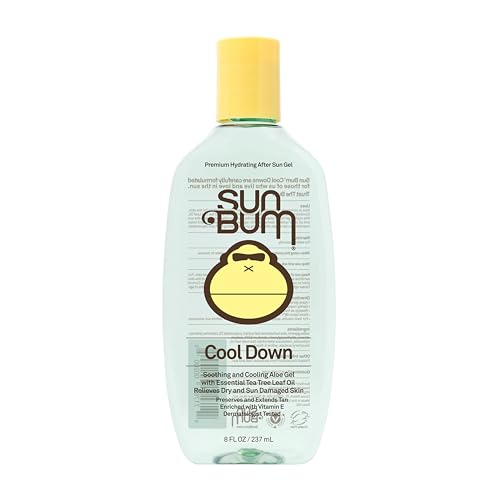
Sun Bum Cool Down Aloe Vera Gel – Vegan After Sun Care to Soothe and Hydrate Sunburn – 8 oz
COOL DOWN ALOE VERA GEL. We like to prevent sunburns, but if you get one, our soothing Aloe…
As an affiliate, we earn on qualifying purchases.
As an affiliate, we earn on qualifying purchases.
Frequently Asked Questions
How Long Should I Apply After-Sun Products for Best Results?
You should apply after-sun products for about 15 to 20 minutes, following the suggested duration guidelines on the label. Make certain to use the product generously and evenly across your skin, especially after sun exposure. Reapply as needed, typically every few hours, to maintain cooling and hydration. Proper product application guarantees ideal relief and skin recovery, helping you feel comfortable and protected while your skin heals.
Are Natural Remedies More Effective Than Commercial After-Sun Lotions?
Imagine soothing your skin with the gentle touch of herbal remedies like aloe vera or chamomile, which can be quite effective due to their natural anti-inflammatory properties. While commercial lotions often contain added ingredients for quick relief, natural remedies offer a calming, holistic approach. You might find herbal options more effective if you prefer gentle, chemical-free solutions, but both can help ease sunburn discomfort depending on your skin’s needs.
Can After-Sun Cooling Reduce the Risk of Blistering?
Yes, after-sun cooling can help reduce the risk of blistering by providing immediate sunburn relief and soothing your skin. When you cool your skin promptly, it slows down inflammation and minimizes damage, promoting better skin regeneration. Using cool compresses or after-sun products with soothing ingredients helps keep your skin hydrated and less prone to blister formation, supporting faster healing and comfort.
Is It Safe to Use Household Items for Cooling Sunburn?
You should steer clear of using household items for cooling sunburns because it can be unsafe. Home remedies like ice cubes or cold packs might seem soothing, but they can cause more harm if not used carefully. Always follow safety precautions by opting for cool, damp cloths or over-the-counter products designed for burns. Prioritize your safety to prevent further skin damage and promote proper healing.
How Does Hydration Impact the Healing Process After Sun Exposure?
Hydration benefits your skin repair process after sun exposure by keeping your skin moist and supporting cell regeneration. When you drink plenty of water, you help reduce inflammation and prevent peeling, allowing faster healing. Proper hydration also maintains your skin’s elasticity and strength, minimizing long-term damage. So, stay well-hydrated to enhance your skin’s natural ability to recover and protect itself from further harm.

Ocean Potion Sun Care Cooling After Sun Gel, Sun Burn Relief Gel Moisturizer with Lidocaine Cream, Menthol, Aloe Vera and Tea Tree Oil, Sunburn Relief, 8.5oz
INSTANT RELIEF: Fast-acting lidocaine gel with 0.72% Lidocaine Hydrochloride provides temporary relief from sunburns, windburns, insect bites, minor…
As an affiliate, we earn on qualifying purchases.
As an affiliate, we earn on qualifying purchases.
Conclusion
Now that you understand how after-sun cooling works, you’ll be better equipped to soothe your skin after a day in the sun. With ingredients like aloe vera and cool compresses, you can reduce discomfort and promote healing. So, next time your skin shows signs of sunburn, will you choose natural remedies or skip the care? Remember, taking quick action can make all the difference in your skin’s recovery. Stay smart, stay sun-safe!

Sun Bum Cool Down Aloe Vera Spray – Vegan After Sun Care to Soothe and Hydrate Sunburn – 6 oz
COOL DOWN ALOE VERA SPRAY. We like to prevent sunburns, but if you get one, our soothing Aloe…
As an affiliate, we earn on qualifying purchases.
As an affiliate, we earn on qualifying purchases.

Burt's Bees Mothers Day Gifts, After Sun Lotion with Hydrating Aloe Vera & Coconut Oil – Summer Essentials, Sunburn Relief, Natural After Sun Soother, 6 oz
BURT’S BEES AFTER SUN LOTION: Burt’s Bees aloe and coconut oil after sun soother is a non-greasy and…
As an affiliate, we earn on qualifying purchases.
As an affiliate, we earn on qualifying purchases.