
A little sunburn isn’t healthy and doesn’t help your skin or boost your health. It actually means your skin has been damaged by harmful UV rays, increasing your risk of long-term issues like skin aging, dark spots, and skin cancer. Tanning or mild burns might seem harmless, but they harm your cells and cause irreversible damage over time. If you want to learn more about protecting your skin, there’s important information you should know.
Key Takeaways
- Any sunburn indicates skin damage caused by UV rays, not a healthy or beneficial response.
- Sunburns accelerate skin aging and increase the risk of skin cancer over time.
- Mild sunburns still cause cellular DNA damage, which can accumulate and cause long-term harm.
- Healthy sun exposure involves moderation and protection, not risking burns.
- Repeated sunburns do not build resilience; they weaken skin health and increase health risks.
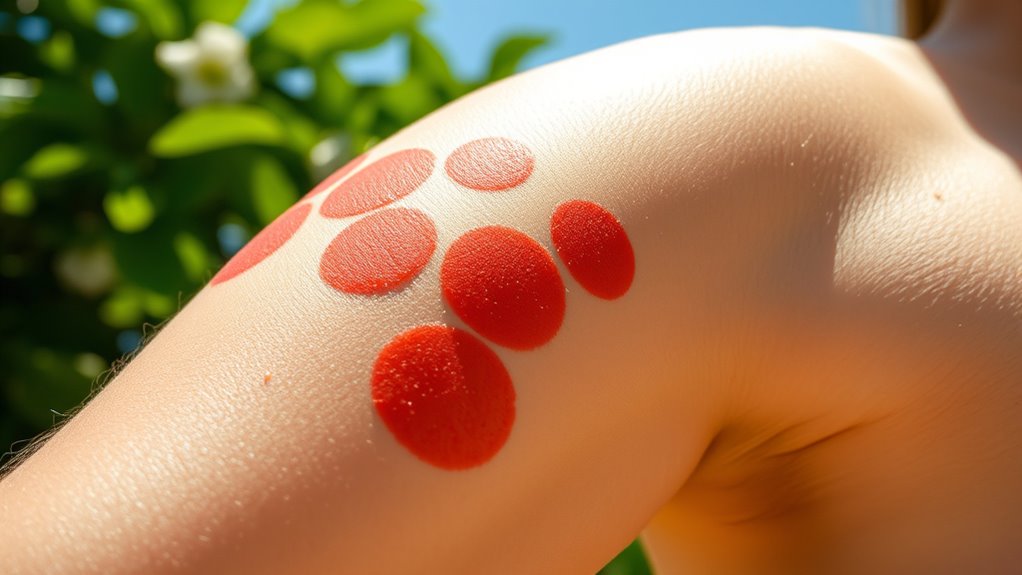
Many people believe that a sunburn can be a sign of getting enough sun and even offer some health benefits, but this is a dangerous misconception. While some may think that a slight tan or a mild sunburn indicates healthy exposure, the reality is quite different. Tanning benefits are often misunderstood; people assume that a darker skin tone means they’re getting enough vitamin D or that their skin is resilient enough to handle more sun. However, the truth is that any sunburn, even a mild one, indicates skin damage. The redness and irritation are signs that your skin cells are being harmed by ultraviolet (UV) radiation. Instead of providing health benefits, this damage can accelerate skin aging, cause premature wrinkles, and increase your risk of skin cancer.
You might think that a brief, light sunburn is harmless or that it’s a sign your skin is “toughening up,” but that’s far from accurate. Every sunburn causes cellular damage at the DNA level, which can accumulate over time and lead to serious health issues. The tanning benefits you hear about, such as increased vitamin D production, are better achieved through controlled, moderate sun exposure—not by risking skin damage. When you get sunburned, your skin’s natural defense mechanisms are overwhelmed, and instead of reaping health benefits, you’re inviting long-term harm. The idea that a little sunburn is a badge of honor or a sign of healthy outdoor activity is a myth that can lead to dangerous consequences.
It’s important to understand that skin damage from UV rays isn’t just about immediate discomfort but also about the cumulative harm that builds up over years. Even if you don’t notice the damage right away, repeated sunburns can cause your skin to lose elasticity, develop dark spots, and become more prone to developing skin cancers like melanoma. Many people underestimate how sensitive their skin is and how quickly UV rays can cause harm. Protecting your skin doesn’t mean avoiding the sun altogether; it means enjoying it safely with broad-spectrum sunscreen, protective clothing, and seeking shade during peak hours. Remember, true skin health isn’t about chasing a tan or risking a sunburn; it’s about preserving your skin’s integrity and preventing irreversible damage. Skin damage from UV rays isn’t just about immediate discomfort but also about the long-term effects that accumulate over time.
Frequently Asked Questions
Can a Small Sunburn Improve Vitamin D Levels?
A small sunburn doesn’t substantially boost vitamin D levels. While sun exposure helps your skin synthesize vitamin D, overexposure causes damage and increases skin cancer risk. A brief, unprotected 10-15 minute session of sunlight on your face and arms can support vitamin D production without burning. Avoid intentionally getting sunburned, as the risks outweigh any potential benefits, and protect your skin with sunscreen or clothing after short periods of safe sun exposure.
Is There a Safe Amount of Sun Exposure Without Sunburn?
Think of sun exposure like watering a plant—you want just enough for growth, not so much that it wilts. You can enjoy safe sun without risking sunburn by limiting exposure to 10-15 minutes daily, especially during peak hours. Always wear sun protection, like sunscreen and protective clothing, to prevent skin aging and damage. Remember, moderation helps you reap benefits without harm, making your skin healthier in the long run.
How Quickly Does Skin Damage From Sunburn Heal?
Skin healing from a sunburn typically takes about 3 to 10 days, depending on the severity. During this sunburn timeline, your skin repairs itself as damaged cells shed and new ones form. You might notice peeling or redness as part of the skin healing process. To speed recovery, keep the area moisturized, stay hydrated, and avoid further sun exposure. Remember, protecting your skin prevents longer healing times and future damage.
Are Some Skin Types More Prone to Harmful Sunburn?
You’re much more prone to sunburn if your skin sensitivity is high or your UV susceptibility is strong—think of it as a burning fuse waiting to ignite. Fair skin types, freckles, and redheads often fall into this category, making them more vulnerable. Darker skin tones have more melanin, offering some protection, but no one is completely immune. So, always protect your skin regardless of your skin type.
Does Tanning Before Sunburn Reduce Skin Damage?
Tanning before sunburn doesn’t reduce skin damage; in fact, it’s a common misconception. Tanning misconceptions often lead people to believe a quick tan offers protection, but it actually signifies skin damage and increases your risk of skin cancer. Sunburn myths suggest some skin types are invincible, but all skin can be harmed. Always protect your skin with sunscreen and avoid intentional tanning, especially before exposure, to prevent long-term damage.
Conclusion
So, next time you catch a hint of a sunburn, remember it’s no coincidence that those moments often come after a day of neglecting protection. That slight redness might seem harmless, but it’s a sign your skin’s fighting back—sometimes with more damage than you realize. Don’t let a false sense of health lead to regret; instead, choose protection. Because often, that little burn is just the universe’s way of saying, “Take care of your skin.”