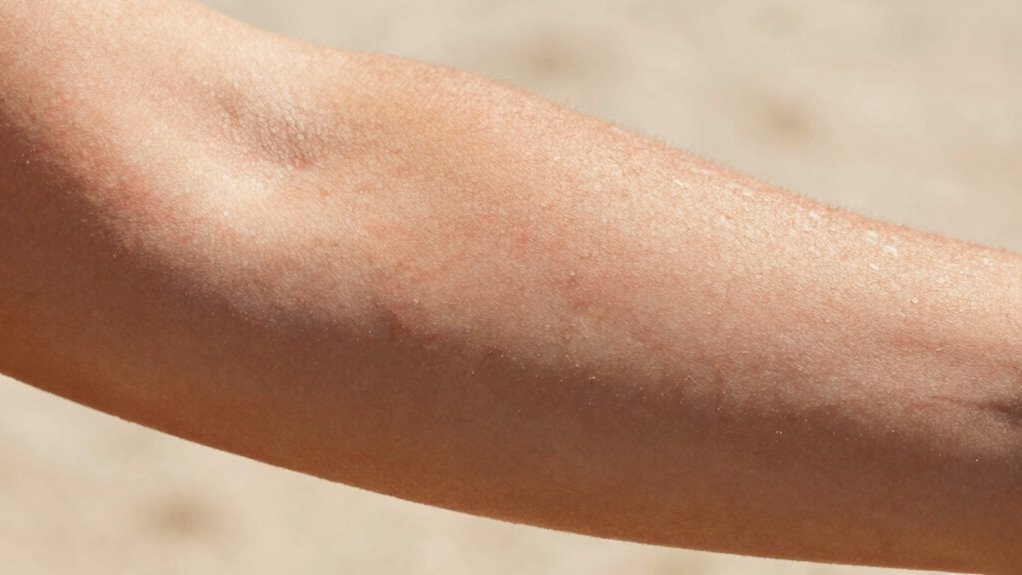

A base tan might make you think you’re protected, but it actually signals skin damage and offers minimal safety—just an SPF of about 2 to 4. Relying on it can encourage overexposure, increasing your risk of skin cancer and premature aging. You’re better off using broad-spectrum sunscreen, protective clothing, and seeking shade. If you want to understand why a tan isn’t a safe shield, keep going—there’s important info ahead.

Get beauty and skincare favorites delivered free with Prime
- Fast, free delivery on millions of items
- Prime Video, Amazon Music and more included
- Member-only deals all year
Key Takeaways
- A base tan provides only minimal SPF 2-4 protection, far below the recommended SPF 30 for effective skin safety.
- A tan is a sign of UV skin damage, not a shield against future harm.
- Relying on a tan as protection encourages overexposure, increasing skin cancer risk.
- Indoor tanning and excessive sun exposure cause DNA damage, regardless of skin color.
- True protection involves using sunscreen, seeking shade, and avoiding tanning altogether.

A base tan might seem like a good way to prepare your skin for sun exposure, but in reality, it offers little genuine protection against UV damage. Many people believe that if they have a slight tan, they can spend more time in the sun without risking burns or long-term skin harm. However, this is a misconception. A tan, whether acquired outdoors or through indoor tanning beds, is your skin’s response to UV radiation, signaling that damage has already occurred. Instead of acting as a shield, a tan actually indicates that your skin has been harmed, making you more vulnerable to future damage. Relying on a base tan for sun safety is risky, because it can lead to overexposure and increase the likelihood of skin cancer, premature aging, and other skin issues.
A base tan signals skin damage, offering little real protection and increasing health risks.
Indoor tanning is often marketed as a quick way to develop a tan before summer, but it’s just as harmful as natural sunbathing. The UV rays from tanning beds can be even more intense, and frequent indoor tanning sessions significantly raise your risk of melanoma and other skin cancers. Many users mistakenly think that indoor tanning is a safer alternative, but it’s not. It still causes DNA damage and accelerates skin aging. Incorporating UV exposure awareness is essential to understanding the risks involved and making informed choices about skin protection. Additionally, UV damage accumulates over time, increasing the risk of serious health consequences. Instead, you should prioritize sun safety by avoiding tanning beds altogether and protecting your skin with broad-spectrum sunscreen, seeking shade, and wearing protective clothing.
The myth that a base tan offers sufficient protection can lead you to underestimate the dangers of sun exposure. The American Academy of Dermatology and other health organizations agree that no tan is truly safe. A tan provides an SPF of about 2 to 4, which is far below the level needed to prevent sun damage. To truly protect your skin, you should limit exposure to direct sunlight, especially during peak hours, and always apply broad-spectrum sunscreen with at least SPF 30. Wearing wide-brimmed hats and UV-protective clothing adds extra layers of defense and helps maintain sun safety. Recognizing that a tan is a sign of skin damage**** emphasizes the importance of preventative measures.
In the end, the best approach to sun safety isn’t to develop a base tan but to take proactive steps that minimize your risk. Avoid indoor tanning, embrace protective clothing, and use sunscreen diligently. Remember, any tan is a sign of skin damage, and protecting your skin now can prevent serious health issues later. There’s no safe way to tan, so it’s better to prioritize skin health over appearance and stick to protective measures that truly keep your skin safe.
As an affiliate, we earn on qualifying purchases.
Frequently Asked Questions
How Long Does a Base Tan Typically Last?
A base tan typically lasts about 3 to 5 days, but it varies depending on your skin type and skincare routine. Tanning myths suggest it offers protection, but it doesn’t prevent skin aging or UV damage. You might think you’re safe, but a base tan is just a sign of skin damage. To protect your skin and avoid premature aging, always use SPF and avoid prolonged sun exposure, even with a tan.
Can a Base Tan Prevent Sunburns?
Is a base tan a shield or merely a mirage? You might think it prevents sunburns, but tanning myths often lead you astray. A base tan offers minimal protection, increasing your risk of skin aging and damage. It’s like putting a band-aid on a broken bone—insufficient for real defense. Relying on a base tan falsely assumes you’re protected, but true sun safety requires proper sunscreen and shade, not just a darker skin tone.
Is a Base Tan Safer Than Tanning Outdoors?
Indoor tanning might seem safer than outdoor tanning, but it’s not. Both expose your skin to UV rays that can damage skin pigmentation and increase skin cancer risk. Indoor tanning often uses concentrated UV sources, which can be even more harmful. Relying on a base tan gives a false sense of protection and doesn’t prevent sunburns or skin damage. It’s safer to avoid tanning altogether and protect your skin with sunscreen.
How Does Skin Type Affect Tanning Results?
Imagine your skin as a canvas, each skin type painted with unique shades of sensitivity and tanning pigments. If you have sensitive skin, it’s like delicate paper that burns easily, making tanning results subtle and short-lived. Conversely, darker skin with rich pigments absorbs UV rays more effectively, producing deeper, longer-lasting tans. Your skin type determines how your body reacts to the sun, affecting the color, durability, and risk of damage from tanning.
Can a Base Tan Reduce Skin Cancer Risk?
A base tan doesn’t reduce your skin cancer risk. It might give a false sense of sun protection, but sun protection remains essential. Tanning myths suggest a base tan shields you, but it actually damages your skin. Relying on it can lead to more harm than good. Always use broad-spectrum sunscreen, seek shade, and wear protective clothing instead of thinking a tan offers real protection from UV rays.
Conclusion
So, next time you’re tempted to chase that “base tan” before your beach trip, remember: it’s like trying to outsmart the sun with a paper umbrella. A base tan might make you look a little less lobster and a bit more “bronzed,” but it doesn’t shield you from harmful UV rays. Don’t fall for the myth—protect your skin with real sunscreen, not fake “protection” that’s just a fancy way to get burned less visibly.
Fall Picks
fall essentials
As an affiliate, we earn on qualifying purchases.