
Tanning isn’t the safest way to get vitamin D, as UV rays can damage your skin and increase cancer risk. Short, early morning or late afternoon sun exposure can help your body produce vitamin D, but relying solely on it isn’t ideal. Safer options like eating fatty fish, fortified foods, or taking supplements can maintain your levels without harm. If you want to learn how to balance sun and protection effectively, keep exploring for more tips.

Get beauty and skincare favorites delivered free with Prime
- Fast, free delivery on millions of items
- Prime Video, Amazon Music and more included
- Member-only deals all year
Key Takeaways
- Sun exposure helps produce vitamin D but should be brief and protected to prevent skin damage.
- Excessive tanning accelerates skin aging and increases skin cancer risk due to UV damage.
- Dietary sources and supplements are safer alternatives for maintaining healthy vitamin D levels.
- Protecting skin from UV rays preserves collagen and elastin, preventing premature aging.
- Balancing sun exposure with protective measures ensures optimal vitamin D without harming skin health.

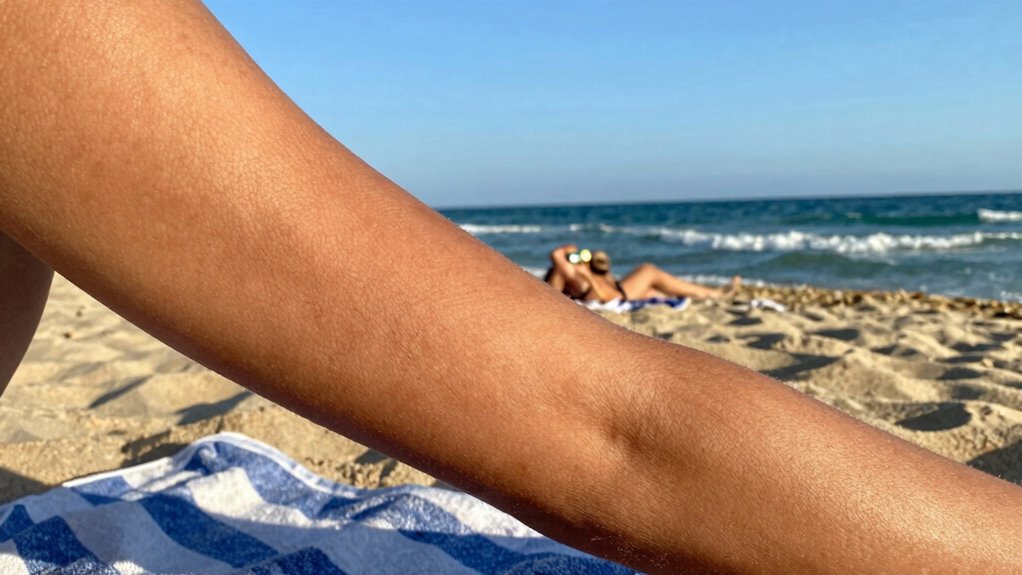
Many people believe that spending time in the sun is the best way to boost their vitamin D levels, but the truth is more nuanced. While sunlight does help your body produce vitamin D, it also accelerates skin aging and increases the risk of skin damage. When you spend too much time exposed to UV rays without proper sun protection, you not only risk harming your skin’s health but also potentially increasing your chances of skin cancer. It’s a delicate balance—getting enough sunlight to maintain healthy vitamin D levels without compromising your skin’s appearance or safety.
Your skin ages faster when exposed to unprotected sunlight. UV rays break down collagen and elastin, the proteins responsible for keeping your skin firm and elastic. Over time, this leads to wrinkles, fine lines, and age spots, making you look older than you are. Even if you don’t notice immediate effects, repeated sun exposure without protection accumulates damage that’s difficult to reverse. So, if you’re aiming to keep your skin looking youthful, it’s wise to limit unprotected sun exposure and incorporate sun protection measures into your routine. Cumulative skin damage from UV exposure is a significant concern that underscores the importance of protective measures. Additionally, incorporating outdoor activities that limit direct sun exposure can help maintain skin health while still enjoying sunshine.
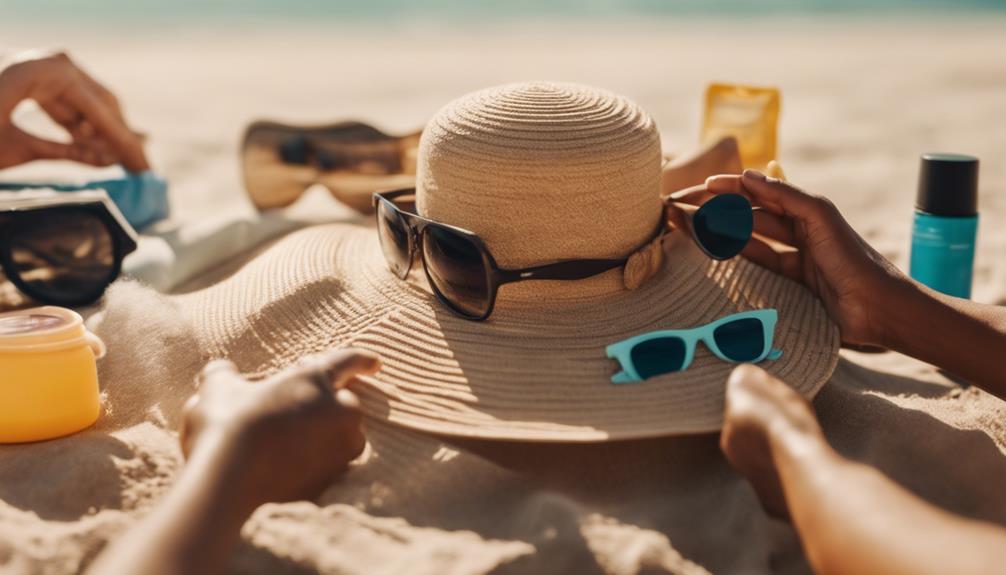
Relying solely on sunlight to boost vitamin D can be tempting, but it’s not the most effective or safest approach. Instead, consider brief periods of sun exposure during the early morning or late afternoon when UV rays are less intense. Even then, applying broad-spectrum sunscreen, wearing protective clothing, and seeking shade when possible are essential steps to shield your skin from damage. You might also explore dietary sources of vitamin D, such as fatty fish, fortified foods, or supplements, which offer a safer way to maintain adequate levels without risking skin aging. Moreover, understanding the balance between sun exposure and protection can help you make informed choices for your skin’s health. Additionally, skin damage from UV exposure is cumulative, and taking protective measures can significantly reduce long-term harm. Incorporating dietary sources of vitamin D is a practical way to support your health without exposing your skin to unnecessary risks.
As an affiliate, we earn on qualifying purchases.
Frequently Asked Questions
Can Tanning Beds Provide Safe Levels of Vitamin D?
Indoor tanning can provide some vitamin D, but it’s not a safe or reliable method. Tanning beds emit UV rays that stimulate vitamin D production, but overuse risks skin damage and skin cancer. Your skin pigmentation affects how much vitamin D your skin makes; darker skin needs more UV exposure. Instead, consider safer options like dietary sources or supplements to maintain healthy vitamin D levels without risking your skin’s health.
How Long Should I Sunbathe for Optimal Vitamin D Absorption?
For ideal vitamin D absorption, you should aim for about 10-30 minutes of sun exposure on your face, arms, or legs, depending on your skin pigmentation. For example, someone with fair skin might need only 10 minutes, while darker skin may require closer to 30 minutes. Skin pigmentation influences how quickly your skin synthesizes vitamin D, so adjust your sun exposure accordingly to avoid harm while maximizing benefits.
Do Vitamin D Supplements Replace the Need for Sun Exposure?
Vitamin D supplements can effectively replace sun exposure for most people, but they don’t offer the same benefits as sun safety. While supplements provide the necessary vitamin D, they lack the sun’s other positive effects, like mood improvement. Always choose high-quality supplements and consult your healthcare provider to confirm their efficacy. Remember, moderate sun exposure combined with supplements is often the best way to maintain ideal vitamin D levels safely.
Are There Risks Associated With Excessive Sun Exposure for Vitamin D?
Are you aware that excessive sun exposure can increase your risk of skin cancer? While sunlight boosts vitamin D, too much can harm your skin, especially if you have more melanin, which offers some protection but still doesn’t eliminate risk. Overexposure damages skin cells and accelerates aging. So, do you really want to gamble with your health for a bit of extra vitamin D? Moderation is key.
Does Skin Color Affect Vitamin D Production From Sunlight?
Skin pigmentation influences your vitamin D production because melanin impacts how your skin absorbs sunlight. People with darker skin have more melanin, which reduces vitamin D synthesis, requiring longer sun exposure to produce the same amount as someone with lighter skin. Conversely, lighter skin produces vitamin D more quickly due to less melanin. So, your skin color directly affects how efficiently you generate vitamin D from sunlight.
Conclusion
So, don’t let the myths fool you—your quest for perfect vitamin D isn’t a sun-soaked adventure. While sunlight is a key player, too much can turn you into a lobster or worse. Balance is your secret weapon; a little sun, a touch of supplementation, and smart choices keep you healthy without turning your skin into an inferno. Remember, you hold the power to access vibrant health—no tanning bed required!
Halloween Picks
halloween
As an affiliate, we earn on qualifying purchases.