As a man, you’re at higher risk of melanoma because you often spend more time outdoors without proper skin protection and may overlook early signs of skin changes. Delaying skin checks means more advanced and dangerous melanoma cases. Protect yourself by using sunscreen, wearing protective clothing, and regularly examining your skin. Staying vigilant now can save your life—learn more about how to keep your skin safe and catch problems early.
Key Takeaways
- Men are more exposed to harmful UV rays due to outdoor activities and less frequent sun protection.
- Early detection of melanoma greatly improves treatment outcomes, but men often delay skin checks.
- Regular use of sunscreen, protective clothing, and seeking shade can significantly reduce melanoma risk.
- Men tend to underestimate the seriousness of skin changes, increasing the chance of late-stage diagnosis.
- Proactive skin examinations and awareness of warning signs are essential for men’s skin health.
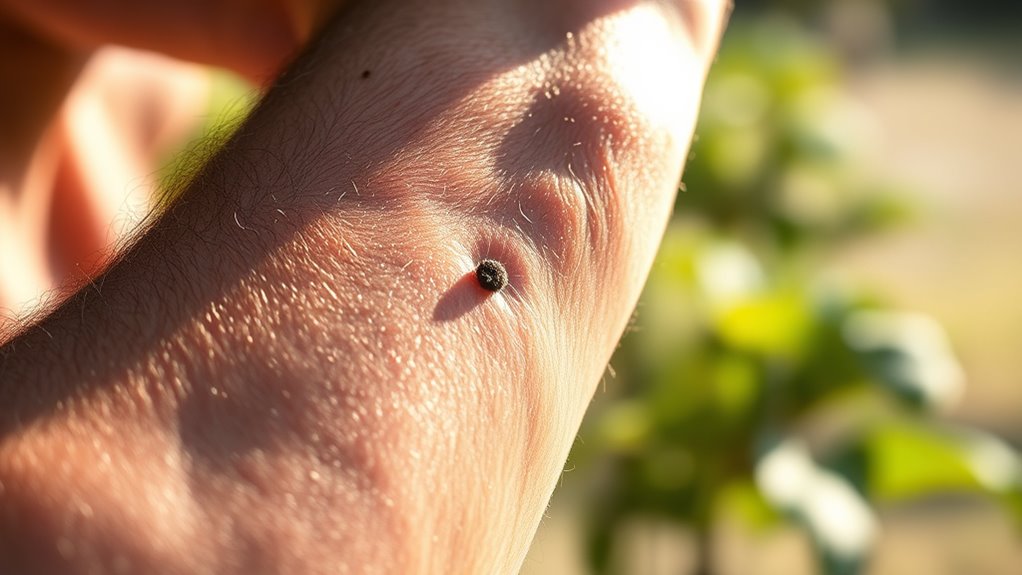
Why are men at a higher risk of developing melanoma than women? The answer often comes down to differences in behavior, awareness, and how men approach skin protection. Men tend to spend more time outdoors without adequate sun protection, exposing their skin to harmful ultraviolet (UV) rays. They may neglect regular skin checks or delay noticing changes that could indicate early signs of melanoma. Without proper vigilance, these habits make men more vulnerable to developing advanced stages of skin cancer, which are harder to treat.
Understanding the importance of early detection can profoundly improve outcomes. Melanoma, if caught early, is highly treatable, but the key is recognizing warning signs before it spreads. You should make it a habit to regularly examine your skin for any new moles or unusual growths, especially in hard-to-see areas like your back or scalp. Early detection involves being vigilant about changes in size, shape, or color of existing moles, as well as noting any irregularities such as asymmetry, uneven borders, or multiple colors. Regular skin checks, either on your own or with a healthcare professional, can help catch melanoma in its earliest stages, drastically improving your chances of successful treatment.
Many men underestimate the importance of skin protection, thinking that a quick application of sunscreen or occasional shade is enough. But effective skin protection requires consistent effort. Use a broad-spectrum sunscreen with at least SPF 30 daily, even on cloudy days, and reapply every two hours if you’re outdoors. Wearing protective clothing, like long sleeves and hats, can further shield your skin from UV damage. Seeking shade during peak sunlight hours—typically between 10 a.m. and 4 p.m.—also reduces your risk. Remember, UV rays can cause skin damage even on cloudy days or during winter, so make protection a daily habit. Additionally, understanding the role of the psychological factors that influence sun exposure habits can help motivate consistent protection practices.
You might not realize that many men ignore early warning signs or dismiss skin changes as harmless. This delays diagnosis and treatment, increasing the risk of melanoma spreading to other parts of the body. Taking proactive steps like wearing protective gear, applying sunscreen consistently, and performing regular skin self-exams can make all the difference. Early detection is your best defense, and being vigilant about skin protection is vital in reducing your risk. Don’t wait until you notice a concerning mole or lesion—regular skin checks and preventive habits save lives. It’s essential to prioritize your skin health now to prevent serious consequences later.
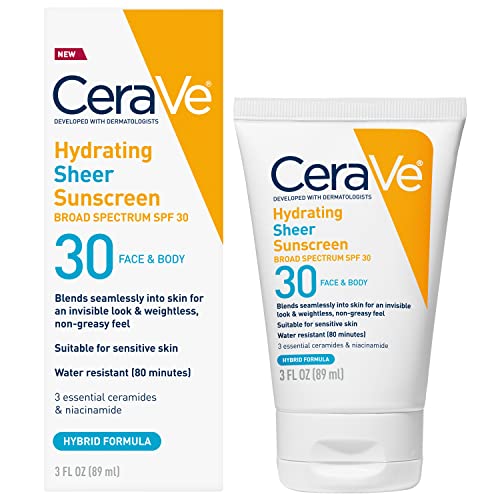
CeraVe Hydrating Sheer Sunscreen with SPF 30 for Face and Body, Mineral & Chemical Sunscreen for Men & Women with Zinc Oxide, Hyaluronic Acid and Ceramides, Paraben-Free + Fragrance-Free, 3 Ounces
[ FACE SUNSCREEN & BODY SUNSCREEN WITH SPF 30 ] CeraVe sunblock helps protect your skin against harmful…
As an affiliate, we earn on qualifying purchases.
As an affiliate, we earn on qualifying purchases.
Frequently Asked Questions
How Does Melanoma Differ From Other Skin Cancers?
Melanoma differs from other skin cancers because it develops from pigment-producing cells, making it often more dangerous. It can appear as a new mole or changes to existing ones, often influenced by UV exposure and genetic factors. Unlike basal or squamous cell carcinomas, melanoma spreads quickly if not caught early. To protect yourself, monitor your skin regularly and seek medical advice if you notice unusual moles or spots.
Are There Specific Signs Men Should Watch For?
You might think skin cancer is obvious, but early detection is key. Watch for new or changing moles, especially those with irregular borders, multiple colors, or asymmetry. Don’t forget to do regular skin self exams, checking hard-to-see areas like your back. If you notice anything unusual, see a dermatologist promptly. Catching signs early saves lives, so stay vigilant and make skin checks a routine part of your health care.
What Are the Latest Advancements in Melanoma Treatment?
Recent advancements in melanoma treatment include exciting breakthroughs in immunotherapy and genetic research. You should know that immunotherapy now helps your immune system target melanoma cells more effectively, improving survival rates. Genetic research also identifies specific mutations, allowing personalized treatments tailored to your tumor’s profile. Staying informed about these innovations means you’re better equipped to seek early treatment and improve your chances of successful recovery if diagnosed.
Can Lifestyle Changes Reduce Melanoma Risk?
Think of your skin as a fortress, and your lifestyle habits as the guards. To lower melanoma risk, you can strengthen your defenses through sun protection—wearing sunscreen and protective clothing—and by making smart choices like avoiding peak sun hours. Regular skin checks help catch issues early. Small daily changes in your routine can build a sturdy barrier, giving your skin the best chance to stay healthy and melanoma-free.
How Often Should Men Get Skin Checks?
You should perform skin self-exams monthly to catch any new or changing moles early. In addition, schedule dermatologist visits annually for professional skin checks, especially if you have risk factors like fair skin or a history of sunburns. Regular skin exams help detect melanoma early, increasing your chances of successful treatment. Don’t wait—staying proactive with self-exams and dermatologist visits keeps your skin health in check.

Geyoga 6 Pieces Summer UV Protection Cooling Neck Gaiter Face Clothing Neck Gaiter Mask Scarf Sunscreen Breathable Bandana(Classic Color)
Package content: you will offer you 6 pieces of summer bandana face covers, no pilling, no fading and…
As an affiliate, we earn on qualifying purchases.
As an affiliate, we earn on qualifying purchases.
Conclusion
Don’t delay or dismiss the danger—diligence and dedication make a difference. Men, remember, melanoma’s menace multiplies without mindful monitoring. Show strength by staying vigilant, seeking screenings, and shielding skin from sunlight. Your health hinges on your habits—heed the harm, halt the hazard. Stay steadfast, stay safe, and stop melanoma before it strikes. Taking action today empowers your tomorrow—because your skin’s safety is worth every effort.

Sammons Preston Flexible Inspection Mirror, Bendable Self Inspection Mirror, Flexible Inspection Mirror with Long Handle for Examination, Limited Mobility, Diabetic Patients, Elderly, & Disabled
Acrylic mirror stays in position when bent to allow for stabilization while in use for self-cathing and inspecting…
As an affiliate, we earn on qualifying purchases.
As an affiliate, we earn on qualifying purchases.

EINSKEY Wide Brim Sun Hat, UPF 50+ UV Protection Waterproof Packable Bucket Hat for Men & Women, Fishing Hiking Beach Garden
One-Size-Fits-All Comfort: Features a rear elastic drawstring and adjustable chin strap, ensuring a perfect fit for both men…
As an affiliate, we earn on qualifying purchases.
As an affiliate, we earn on qualifying purchases.