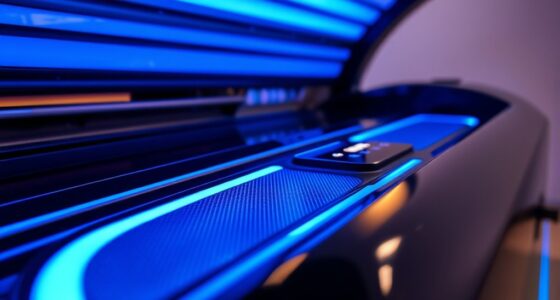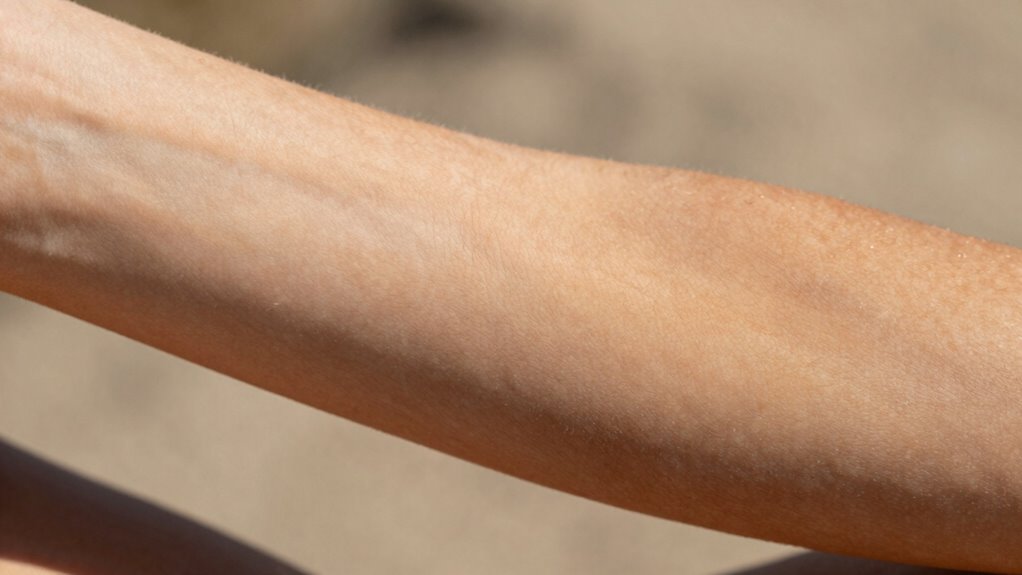

Frequent use of sunbeds speeds up skin darkening by boosting melanin production, giving you a quicker, darker skin tone. However, this can lead to uneven tans, premature aging, and long-term damage like wrinkles or age spots. UV exposure from tanning beds is more intense than sunlight and can increase your risk of skin cancer. If you want to understand how to achieve a safe, even glow, exploring the effects further can help you make informed choices.

Get beauty and skincare favorites delivered free with Prime
- Fast, free delivery on millions of items
- Prime Video, Amazon Music and more included
- Member-only deals all year
Key Takeaways
- Frequent sunbed use increases melanin production, leading to quicker and darker skin tone changes.
- Repeated sessions can cause uneven skin darkening and long-term hyperpigmentation.
- Excessive tanning accelerates skin aging, causing wrinkles, age spots, and leathery texture.
- High UV intensity from sunbeds raises the risk of skin damage and potential skin cancer.
- Regular use without protection may result in irreversible skin tone changes and health risks.
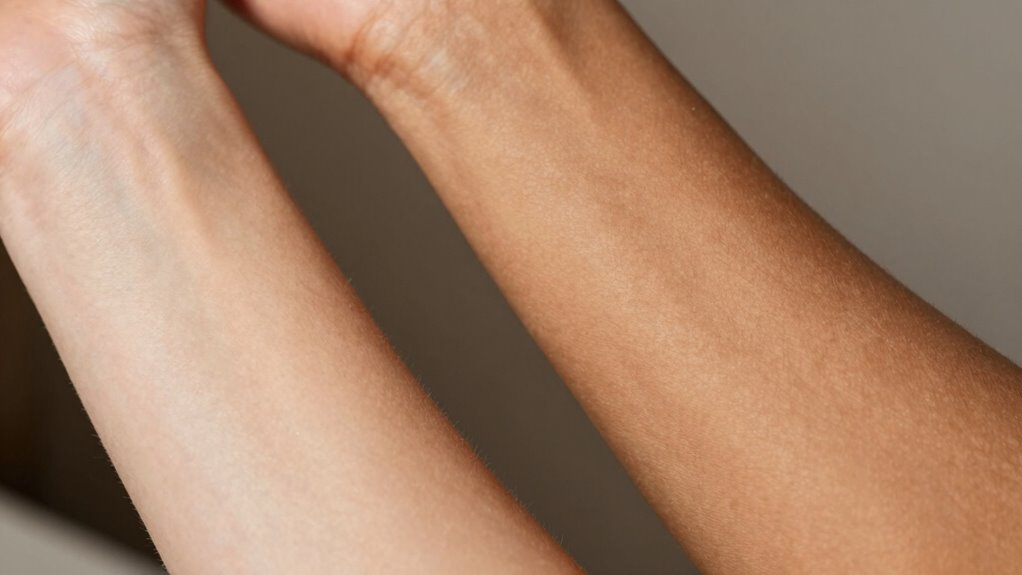
Using sunbeds can quickly alter your skin tone, but understanding how this affects your skin’s health is essential. When you step into a tanning bed, you expose your skin to concentrated UV rays, which stimulate melanin production and lead to a darker appearance. While this might seem like a straightforward way to get a sun-kissed glow, it’s important to consider tanning bed safety and the long-term impacts of UV exposure effects. Frequent use accelerates skin darkening, but it also increases your risk of skin damage, premature aging, and skin cancer.
Each session causes a surge of UV rays that penetrates deep into your skin, triggering an increase in melanin. This process is natural, but with repeated exposure, your skin can become considerably darker, sometimes unevenly, especially if you don’t follow recommended limits. Too much UV exposure effects your skin’s health, weakening collagen and elastin, which are essential for maintaining youthful skin. Over time, consistent tanning bed use can lead to leathery skin, wrinkles, and age spots, diminishing your skin’s natural elasticity and vibrancy. Additionally, some individuals may develop hyperpigmentation or uneven skin tone as a result of irregular UV exposure.
Repeated UV exposure from tanning beds can cause uneven skin darkening and accelerate aging.
Many people underestimate the risks involved with frequent sunbed use, believing that controlled indoor tanning is safer than natural sun exposure. However, tanning bed safety guidelines emphasize moderation, because the concentrated UV rays can be just as harmful, if not more so, than sunlight. The intensity of UV exposure effects in tanning beds is often higher than that of natural sunlight, which increases the likelihood of burns, damage, and carcinogenic risks. Even short-term use can cause skin irritation or exacerbate existing skin conditions. Moreover, some individuals may develop allergies or sensitivities to UV rays, further complicating skin health.
If you’re aiming to change your skin tone, it’s tempting to rely on tanning beds for quick results, but it’s essential to weigh these benefits against potential health consequences. The more sessions you have, the more your skin is exposed to UV rays, heightening the cumulative risk. While a darker skin tone might seem desirable, it’s better to consider safer alternatives like self-tanning products that don’t involve UV exposure effects. These options provide a bronzed look without risking your skin’s health.
In addition, understanding the risks of UV exposure can help you make safer choices when considering skin tone changes. Research shows that UV exposure effects can be cumulative, making consistent tanning bed use particularly harmful over time. It is also important to recognize that UV rays can cause long-term skin damage, which may not be immediately visible but can have serious health implications later in life. Recognizing that UV rays can cause skin cancer underscores the importance of protective behaviors. Being aware of the cumulative nature of UV damage encourages more cautious behavior regarding tanning practices. In the end, understanding how frequent sunbed use can change your skin tone is fundamental. It’s not just about achieving a particular shade but also about protecting your skin from unnecessary harm. Being mindful of tanning bed safety and understanding UV exposure effects enables you to make informed choices, ensuring that your pursuit of a tan doesn’t compromise your long-term skin health.
self-tanning lotion for even skin tone
As an affiliate, we earn on qualifying purchases.
As an affiliate, we earn on qualifying purchases.
Frequently Asked Questions
Can Sunbeds Cause Long-Term Skin Damage?
Sunbeds can cause long-term skin damage, especially if you develop Sunbed addiction, leading to excessive use. Indoor tanning effects include premature aging, wrinkles, and an increased risk of skin cancer. Even occasional sessions can harm your skin, so it’s essential to understand these risks and limit exposure. Protect your skin by avoiding frequent tanning bed sessions, and consider safer alternatives to achieve a sun-kissed glow.
How Quickly Does Skin Tone Change After Sunbed Sessions?
You’ll notice your skin tone starts to darken within 2 to 3 sessions of sunbed use, thanks to increased melanin production. As your skin adapts, your pigmentation deepens, giving you a tan. This process also boosts your Vitamin D levels, but be cautious—overuse can cause long-term damage. Keep track of your sessions to achieve a natural-looking glow without risking your skin’s health.
Are There Age Restrictions for Sunbed Use?
Yes, there are age restrictions for sunbed use, typically restricting access to individuals under 18 to prevent youth tanning. These restrictions aim to protect young skin from UV damage and reduce cancer risks. If you’re considering using a sunbed, check local regulations, as some places may have stricter rules. It is crucial to prioritize skin health and avoid premature aging or other harmful effects associated with early tanning.
What Are the Risks of Tanning Bed Overuse?
Overusing tanning beds increases your risk of skin damage, premature aging, and skin cancer. It also disrupts natural Vitamin D synthesis, which can affect your health, and may alter your skin pigmentation, making your skin more susceptible to sun damage. If you tan frequently, you’re exposing yourself to harmful UV radiation, so it’s best to limit use and explore safer ways to maintain a healthy glow.
Can Sunbed Tanning Lead to Skin Cancer?
Yes, sunbed tanning can increase your risk of skin cancer, especially with frequent use. Sunbed addiction makes it tempting to expose yourself more often, raising your danger. The tanning industry has regulations to limit overuse, but restrictions aren’t always enough. Protect yourself by avoiding excessive tanning, understanding the risks, and following safe guidelines. Remember, every session can contribute to long-term skin damage and health issues.
Conclusion
Regular sunbed use can considerably darken your skin tone over time, but it also raises health concerns. Did you know that frequent tanning increases your risk of skin cancer by up to 20%? So, while a tan might seem attractive now, the long-term risks aren’t worth it. Consider embracing your natural skin tone and protecting it with sunscreen instead—your future self will thank you for making smarter choices today.
Halloween Picks
halloween
As an affiliate, we earn on qualifying purchases.