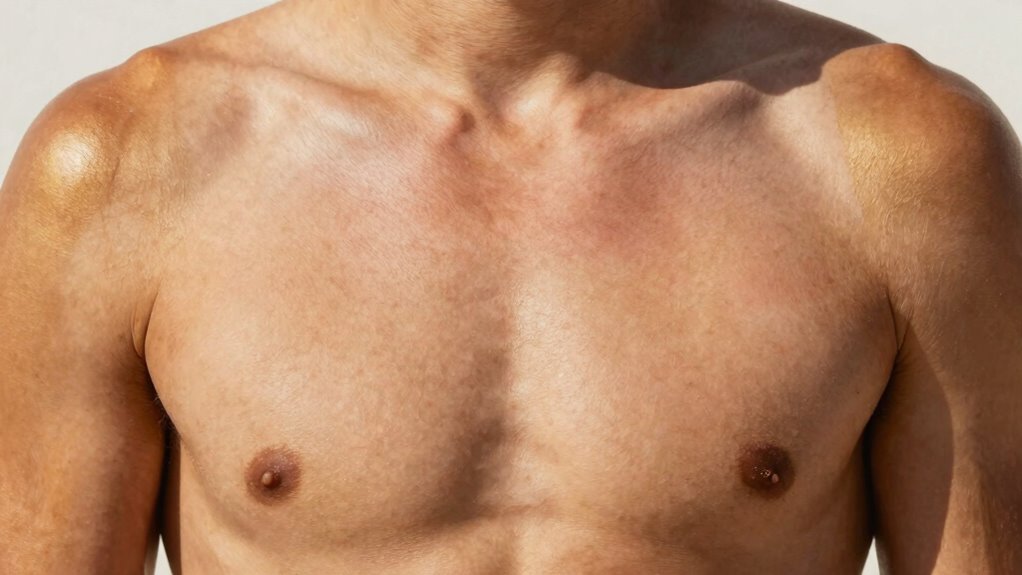

Your skin naturally has different pigment levels, so some areas tan more easily than others. Uneven exposure to sunlight due to body position, clothing, or shaded spots can also cause patchiness. External factors like pollution and skin treatments influence how your skin reacts and tans. Your skin type affects how deeply you tan or if you burn, impacting uniformity. To get a smooth, even tan, you’ll want to understand these factors better as you continue exploring.
Listen free for 30 days with Audible
Thousands of audiobooks and originals — cancel anytime.
As an affiliate, we earn on qualifying purchases.
Key Takeaways
- Natural skin pigment variations cause some areas to tan darker or lighter than others.
- Different body positions and clothing coverage result in uneven UV exposure.
- External factors like pollution and skin treatments can affect tanning consistency.
- Skin type influences how deeply and evenly skin responds to sun exposure.
- Inconsistent application of sunscreen and moisturizing can lead to patchy tanning results.
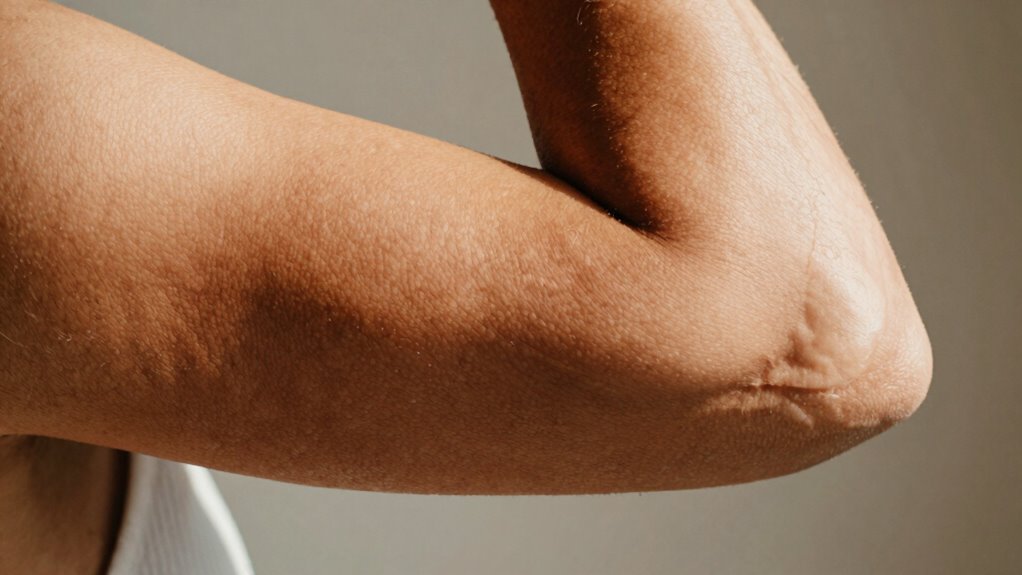
Have you ever noticed how your tan can look patchy or uneven in different areas? That’s a common experience, and it usually comes down to how your skin reacts to sun exposure. When you spend time outdoors, your skin’s pigment responds to UV rays by producing more melanin, which darkens the skin and creates that tan. However, not all parts of your body respond the same way. Variations in skin pigment, along with differences in sun exposure, are the main reasons your tan might look uneven.
Your skin’s pigment is determined by genetics, and it varies across different areas. Some parts of your body naturally have more melanin, making them darker even before you start tanning. For example, your face, hands, and shoulders often have a higher concentration of pigment, so they tend to tan more quickly or deeply. Conversely, areas like your stomach or inner thighs might have less pigment, resulting in a lighter appearance after the same amount of sun exposure. This natural variation can create a patchy look, especially if you *disregard* evenly exposing all areas.
Your natural skin pigment varies, causing uneven tanning if all areas aren’t equally exposed.
Sun exposure itself is another key factor. When you’re outside, certain spots may get more direct sunlight than others, either because of your posture, clothing, or shadows from nearby objects. If you spend a lot of time in one position, some parts of your body—like your face or arms—may get hit with more UV rays, encouraging a darker tan. Meanwhile, areas that are shaded or covered, like your back or underarms, won’t tan as much, leading to uneven coloration. Even slight differences in how your body is positioned can cause some areas to tan more than others. Uneven tanning can also be influenced by external factors such as pollution or skin treatments that affect how your skin reacts to the sun. Additionally, the sun’s angle plays a role in how evenly your body receives UV exposure throughout the day.
Another aspect to *take into account* is how your skin type responds to sun exposure. Some skin types produce melanin more efficiently, leading to a deeper tan with less exposure. Others might be more prone to burning or peeling, which can interfere with even tanning. If your skin tends to burn easily, you might notice that some areas peel or become unevenly tanned, further contributing to patchiness. Proper skincare routines, such as moisturizing and using sunscreen, can enhance your skin’s ability to tan evenly over time and prevent uneven pigmentation. Additionally, understanding your specific skin response can help you plan your sun protection strategies more effectively, leading to more uniform tanning and healthier skin.

Jergens Natural Glow +Firming Self Tanner Body Lotion, Fair to Medium Skin Tone, Sunless Tanning Moisturizer with Collagen and Elastin. Helps to Visibly Reduce Cellulite, 7.5 Fl Oz
- Self Tanner Body Lotion: Flawless light bronze tan with hydration
- Firming Tan Lotion: Infused with antioxidants and Coconut Water
- Cellulite Remover: Reduces cellulite appearance in 7 days
As an affiliate, we earn on qualifying purchases.
As an affiliate, we earn on qualifying purchases.
Frequently Asked Questions
Can Skincare Products Affect How My Tan Develops?
Skincare products can definitely affect how your tan develops. If you use products with exfoliants or certain chemicals before sun exposure, they may cause uneven tanning by removing dead skin cells unevenly. Additionally, keeping your skin well-hydrated helps your tan develop smoothly and evenly, as dry skin can lead to patchy results. Always apply sunscreen and moisturize regularly for the best, most even tan.
Does Body Hair Impact the Tanning Process?
Yes, body hair and skin texture impact your tanning process. Body hair can block the sun’s rays, leading to uneven tanning, especially on areas with thicker or denser hair. Similarly, rough or uneven skin texture can cause patches where the tan doesn’t develop smoothly. To achieve a more even tan, consider trimming or waxing hair beforehand and exfoliating your skin to improve texture.
How Does Clothing Influence Tanning Unevenness?
Clothing markedly influences tanning unevenness, creating stark fabric contrast that affects how your skin absorbs the sun. Thin or light-colored fabrics let more UV rays through, leading to a deeper tan, while thick or dark fabrics block sunlight, resulting in lighter patches. This uneven tan absorption makes certain areas appear more tanned than others. To achieve a more uniform tan, consider wearing minimal or lightweight clothing and evenly exposing all body parts to sunlight.
Are Certain Skin Tones More Prone to Uneven Tanning?
Yes, your skin tone variations influence your tanning tendencies, making some tones more prone to uneven tanning. Fairer skin often tans unevenly, with more noticeable streaks or patches, while darker skin tones tend to tan more evenly. Your natural skin tone determines how your skin reacts to UV exposure, so understanding your skin’s tendencies helps you manage expectations and adopt better tanning practices to minimize unevenness.
Can Medication Cause Uneven Tanning Results?
Medication can absolutely cause uneven tanning results. Some drugs, through medication interactions, increase your skin’s sensitivity to UV rays, making certain areas tan faster or darker. Others may hinder tanning altogether. You might notice patches that look dramatically different, like a sunset gone wild. Always check with your doctor or pharmacist about your medications before sunbathing, because heightened skin sensitivity can turn your tan into a patchwork quilt of uneven color.
Conclusion
Understanding why tanning appears uneven helps you take better care of your skin. Remember, areas with more friction or thinner skin tend to tan differently, so adjusting your routine can make a big difference. Did you know that nearly 80% of skin aging signs are caused by sun exposure? Protecting all areas equally not only evens out your tan but also keeps your skin healthier in the long run. So, stay mindful and give every part of your body the care it deserves.
Grilling season Picks
grills
As an affiliate, we earn on qualifying purchases.