When your tan starts peeling, focus on gentle skincare to support healing. Keep your skin hydrated with plenty of water and use fragrance-free moisturizers containing aloe vera or ceramides. Avoid harsh soaps, exfoliants, and picking at flaky skin, as this can cause irritation or scarring. Be sure to protect your skin from sun exposure with clothing and broad-spectrum SPF. Following these tips helps your skin recover smoothly—discover more ways to care for your skin in this process.
Key Takeaways
- Do hydrate well and use gentle, fragrance-free moisturizers to support skin healing.
- Do avoid picking or forcibly removing peeling skin to prevent scarring and infection.
- Don’t use harsh soaps, exfoliants, or tanning products that can irritate or slow recovery.
- Do protect peeling skin from sun exposure with clothing and broad-spectrum SPF 30+ sunscreen.
- Don’t rush the process; allow skin to shed naturally and consult a dermatologist if irritation worsens.

If your tan begins peeling, it’s a clear sign that your skin is renewing itself after sun exposure. Peeling often happens when your skin has been overexposed to UV rays, leading to the natural shedding process to replace damaged cells. While it might be tempting to pick at the peeling skin or scrub it off, this can lead to irritation, redness, or even scarring. Instead, focus on gentle skincare tips to support your skin’s recovery and maintain a healthy glow. Proper hydration is essential, so drink plenty of water to keep your skin moisturized from within. Applying a rich, fragrance-free moisturizer helps soothe peeling areas and prevents excessive dryness or cracking. Look for products with ingredients like aloe vera, shea butter, or ceramides, which promote healing and restore the skin’s barrier. Avoid harsh soaps or exfoliants during this time, as they can exacerbate peeling and slow down recovery. Using natural materials such as linen or cotton for clothing can help prevent irritation on sensitive, peeling skin.
When it comes to tanning remedies, steer clear of products that promise to deepen your tan or mask peeling. Instead, opt for nourishing lotions that hydrate and repair your skin. If you want to even out the appearance of your peeling tan, consider using a gentle, self-tanning lotion once your skin has healed enough—just make sure to patch-test first to prevent further irritation. It’s also wise to avoid direct sun exposure while your skin is peeling, since UV rays can worsen peeling and increase the risk of sun damage. If you need to be outdoors, cover your skin with protective clothing and apply a broad-spectrum sunscreen with at least SPF 30 to shield healing skin from further harm.
You should also resist the temptation to peel or scratch flaky skin, as this can lead to infection or scarring. Instead, let the skin shed naturally; patience is key here. If discomfort persists or your peeling is accompanied by redness, swelling, or pain, consider consulting a dermatologist. They can recommend specific skincare remedies or treatments to support your skin’s healing process. Remember, peeling is a natural part of the skin’s renewal, but caring for your skin properly during this phase ensures you avoid long-term damage and enjoy a healthier, more even tan when the peeling subsides. So, take gentle steps, hydrate well, and give your skin the time it needs to recover, and your skin will thank you with a smooth, radiant glow.

Fruit of the Earth Moisturer Gel, Aloe Vera, 12 Ounce
Made from fresh Aloe Vera leaves, no fragrance or color added
As an affiliate, we earn on qualifying purchases.
As an affiliate, we earn on qualifying purchases.
Frequently Asked Questions
Can Peeling Tan Cause Skin Infections?
Peeling tan can increase your sunburn risk if you’re not careful, but it doesn’t directly cause skin infections. However, peeling skin can become vulnerable to bacteria, raising infection concerns if you pick at it or don’t keep the area clean. To prevent infections, avoid scratching, gently moisturize, and practice proper infection prevention. This way, you protect your skin while managing your peeling tan safely.
How Long Does Peeling Tan Typically Last?
Ever wondered how long a peeling tan lasts? Usually, it fades within 3 to 7 days as new skin replaces the old. During this time, keep up with sun protection and skin hydration to prevent uneven peeling and damage. Why risk uneven color or irritation? Staying moisturized and protecting your skin helps your tan peel smoothly and recover faster, leaving you with healthier, glowing skin.
Should I Exfoliate Peeling Skin?
You shouldn’t exfoliate peeling skin as it can cause irritation and damage. Instead, focus on moisturizing tips to keep your skin hydrated and promote healthy healing. Use gentle, natural remedies like aloe vera or coconut oil to soothe the area. These steps help the skin peel naturally and prevent further irritation, ensuring your tan fades smoothly and evenly. Always be gentle and avoid harsh scrubs during this delicate phase.
Can Peeling Tan Lead to Skin Cancer?
Peeling tan problems prompt pondering: can peeling tan lead to skin cancer? The answer is, generally, no. Peeling skin itself isn’t a direct skin cancer risk, but peeling often signals sun damage, which raises skin cancer dangers over time. Protect your skin by avoiding excessive sun exposure, wearing sunscreen, and seeking shade. While peeling tan dangers mainly involve irritation and damage, staying vigilant helps prevent future skin cancer risks.
Is It Safe to Apply Makeup on Peeling Skin?
Applying makeup on peeling skin isn’t the safest choice. Makeup safety can be compromised because peeling skin is more prone to skin irritation and damage. When your skin is peeling, it’s best to give it time to heal, avoiding products that could cause further irritation. If you must apply makeup, opt for gentle, hypoallergenic products and use clean tools to minimize the risk of infection or worsened irritation.

Eucerin Daily Hydration Broad Spectrum SPF 30 Sunscreen Body Cream for Dry Skin, Fragrance Free Sunscreen Moisturizer, 8 Oz Tube
2-in-1 Formula: This Eucerin body cream is a 2-in-1 formula that moisturizes dry skin while helping protect from…
As an affiliate, we earn on qualifying purchases.
As an affiliate, we earn on qualifying purchases.
Conclusion
As your tan begins to peel away like fading paint on a summer fence, remember to be gentle. Think of your skin as a delicate canvas, craving moisture and care. Keep it hydrated, avoid picking at the peeling layers, and give it time to heal. With patience and kindness, your skin will glow anew, just like the sunrise after a storm—bright, fresh, and ready for the next adventure.

Cetaphil Gentle Exfoliating SA Lotion, Lightweight Moisturizer for All Skin Types, 8 Oz Pump Bottle, Salicylic Acid, Mandelic Acid & Gluconolactone, Gently Exfoliates, Dermatologist Recommended Brand
CETAPHIL GENTLE EXFOLIATING SA LOTION: Gently exfoliates and hydrates to promote daily surface skin cell renewal for softer…
As an affiliate, we earn on qualifying purchases.
As an affiliate, we earn on qualifying purchases.
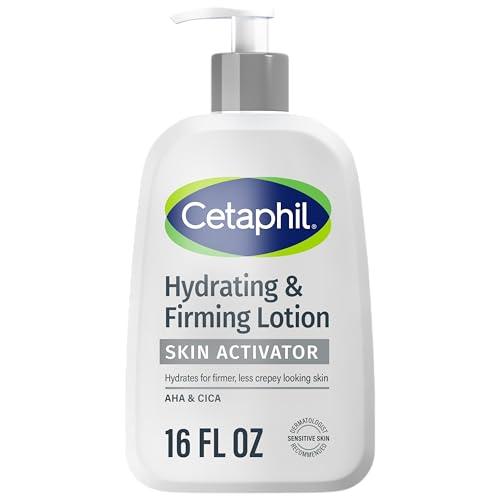
Cetaphil Skin Activator Hydrating & Firming Body Lotion 16oz, Mandelic Acid (AHA) and Centella Asiatica (CICA) Body Moisturizer, Hydrates and Firms Aging Skin, Anti-Aging Body Skincare
CETAPHIL SKIN ACTIVATOR HYDRATING & FIRMING LOTION: Helps activate sleeping surface skin cells for visibly firmer looking skin…
As an affiliate, we earn on qualifying purchases.
As an affiliate, we earn on qualifying purchases.