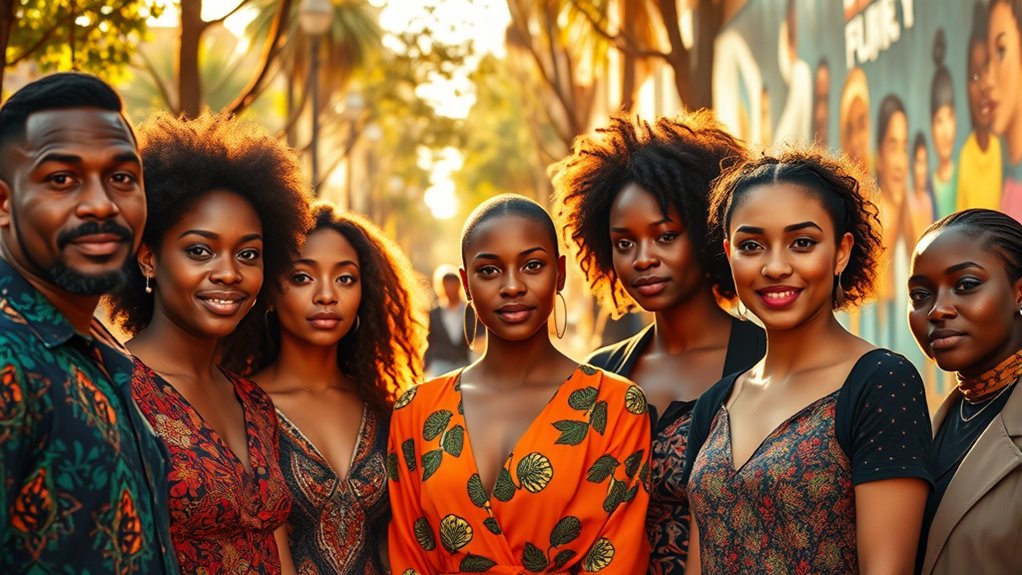

In modern culture, skin tones symbolize identity, beauty, and social progress. Society’s views influence how different skin colors are valued, often favoring lighter skin due to historical and societal biases. Media and representations are shifting towards embracing diversity, challenging outdated beauty standards, and promoting inclusivity. Recognizing the meaning of skin tones helps you understand their impact on perceptions and self-image. If you want to explore how this ongoing conversation shapes society today, there’s more to discover ahead.
Key Takeaways
- Skin tones serve as symbols of identity, beauty, and social progress in society.
- Media often idealizes lighter skin, reinforcing narrow beauty standards rooted in history.
- Increased diversity and representation challenge stereotypes, promoting inclusivity and authenticity.
- Recognizing all skin tones emphasizes individual worth and shifts cultural perceptions of beauty.
- Supporting diverse portrayals fosters a more equitable culture that values every skin color.
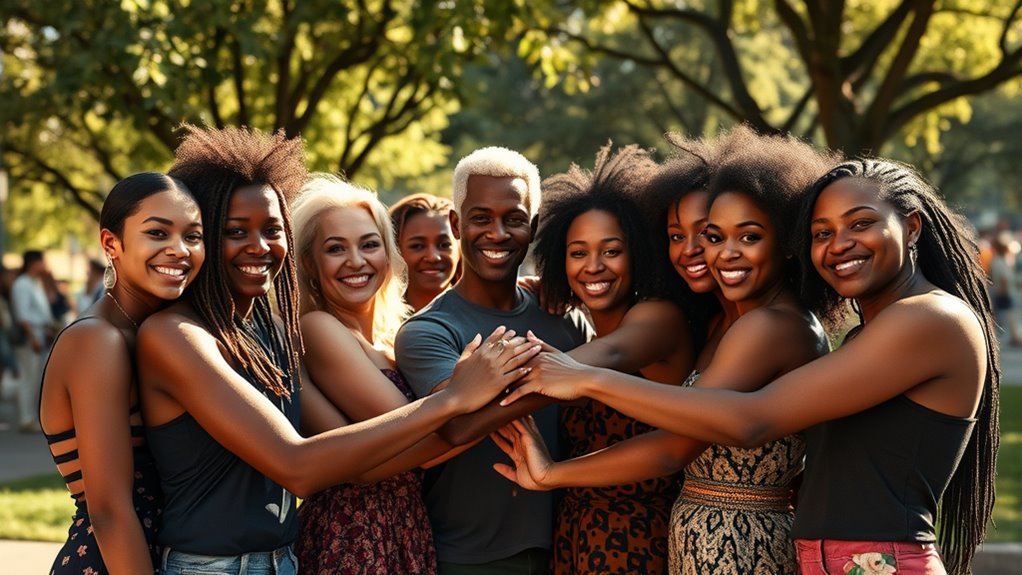
In modern culture, skin tones are more than just physical features—they’re symbols of identity, beauty, and social progress. You’ve probably noticed how society’s perception of skin color influences everything from media portrayals to personal self-image. Race representation plays a pivotal role here, shaping how different skin tones are valued or marginalized. When media predominantly showcases lighter skin as the ideal, it reinforces narrow beauty standards that exclude many. This creates a skewed perception that lighter skin equals attractiveness, success, or higher status, which can diminish confidence among those with darker or more diverse skin tones. Conversely, increasing visibility and representation of varied skin tones challenge these outdated beauty standards, fostering a more inclusive view of beauty.
Diverse skin tones challenge outdated beauty standards, promoting inclusivity and authentic representation in media and society.
You might also see how these beauty standards are deeply rooted in history but are now being reshaped through conversations about diversity and authenticity. For decades, societal ideals have often favored lighter skin, a legacy tied to colonialism, racism, and class distinctions. But today, there’s a growing movement to celebrate all skin tones equally, emphasizing that beauty isn’t one-size-fits-all. Brands, media outlets, and influencers are increasingly showcasing a broader spectrum of skin tones, helping to normalize diversity and dismantle harmful stereotypes. Additionally, understanding the impact of race representation can empower individuals to challenge stereotypes and advocate for more inclusive portrayals.
As you observe these changes, you’ll notice that more campaigns focus on authentic representations rather than idealized or stereotypical portrayals. This not only benefits individuals who see themselves reflected more accurately, but it also challenges long-standing biases. You might feel inspired to question beauty standards that have historically prioritized certain skin tones and to support efforts that promote genuine diversity. The conversation about race representation is essential because it influences how society perceives worth and beauty. When everyone’s skin tone is acknowledged and celebrated, it pushes the cultural narrative toward inclusivity and equality.
Ultimately, the evolving understanding of skin tones in modern culture signifies a shift toward recognizing beauty beyond superficial traits. It’s about acknowledging that race and skin color are integral to identity and deserve respect and visibility. By actively supporting diverse representations, you contribute to breaking down harmful stereotypes and fostering a culture that truly values all skin tones. As this movement continues, it helps pave the way for a future where beauty standards are more equitable, empowering everyone to feel proud of who they are, regardless of their skin color.
Frequently Asked Questions
How Have Skin Tone Perceptions Evolved Over the Past Century?
Over the past century, your perception of skin tones has shifted from rigid historical perceptions to more inclusive beauty standards. You’ve seen a move away from favoring lighter skin, which once symbolized privilege, to embracing diverse skin tones as beautiful. This evolution reflects society’s growing recognition that beauty isn’t confined to one shade, encouraging you to appreciate and celebrate the rich diversity of skin tones around you.
What Role Does Media Play in Shaping Skin Tone Stereotypes?
Imagine a black-and-white TV in the 1950s—media influence then already shaped skin tone stereotypes. Today, media plays a essential role in reinforcing these stereotypes by highlighting certain skin tones as desirable or undesirable. Through movies, advertisements, and social media, it perpetuates narrow beauty standards, often reinforcing stereotypes rather than challenging them. This constant exposure influences perceptions, making media a powerful tool in either perpetuating or challenging skin tone biases.
Are There Cultural Differences in the Significance of Skin Tones?
You’ll notice that cultural differences influence how skin tones are perceived, impacting racial disparities and beauty standards. In some cultures, lighter skin is prized, symbolizing wealth or purity, while others value darker skin for strength and authenticity. These perceptions shape societal expectations and biases, often reinforcing racial disparities. Understanding these cultural nuances helps you recognize how beauty standards evolve globally, and how they continue to influence opportunities and social acceptance.
How Does Skin Tone Influence Personal Identity and Self-Esteem?
You might not realize it, but colorism impacts your self-perception dynamics more than you think. Your skin tone can shape how you see yourself and influence your confidence, often in subtle ways. When society places value on certain shades, it creates a tension that can either elevate or diminish your self-esteem. Recognizing this helps you reclaim your identity, reminding you that your worth isn’t defined by skin tone but by who you truly are.
What Are the Future Trends Regarding Skin Tone Representation?
In the future, you’ll see more inclusive beauty standards and diverse digital representation that celebrate all skin tones. Brands are increasingly embracing authentic portrayals, breaking away from stereotypes, and promoting equality. Expect technology to further amplify these efforts, making representation more accessible and impactful. This shift encourages you to embrace your unique skin tone, fostering confidence and inspiring broader societal acceptance of beauty in all shades.
Conclusion
Understanding skin tones in modern culture helps you see the diversity and complexity of identity. Did you know that only 4% of global skin tones are represented in mainstream media? This highlights the need for greater inclusivity and awareness. By appreciating these nuances, you can challenge stereotypes and celebrate everyone’s unique beauty. Embracing this diversity enriches society and fosters a more authentic, respectful world where all skin tones are valued.