
International tanning products differ based on regional climates, regulations, and cultural preferences. In sunny countries like Australia and parts of Africa, formulas focus heavily on sun protection with mineral or chemical UV filters, often combined with tanning agents. In Europe, regulations may restrict certain ingredients, leading to more natural or mineral-based options. Marketing and ingredient choices reflect local beauty standards, making each market unique. If you explore further, you’ll discover how each region’s approach shapes the products you see worldwide.
Key Takeaways
- Regional sunlight intensity influences product focus on sun protection versus bronzing effects.
- Regulations vary, affecting ingredient choices like mineral versus chemical UV filters.
- Formulations differ in active ingredients, with some regions favoring natural extracts or specific tanning agents.
- Cultural preferences shape marketing and product features, emphasizing protection, naturalness, or quick results.
- Climate conditions determine whether products prioritize sun safety or aesthetic bronzing effects.
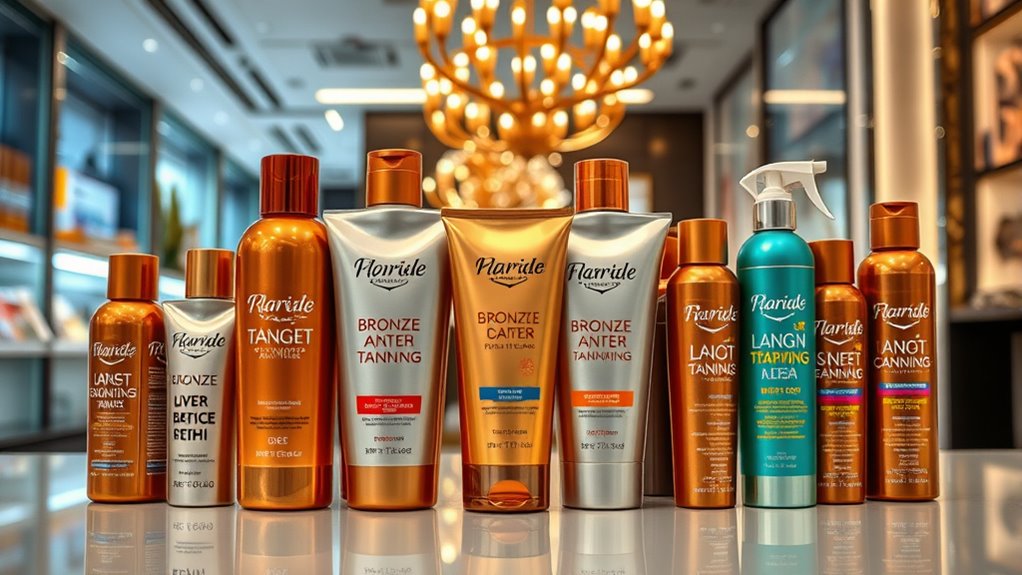
Have you ever wondered how different countries create tanning products tailored to their unique skin types and preferences? It turns out, the approach varies greatly depending on local regulations, cultural standards, and consumer needs. One of the most vital factors influencing these differences is sun protection. In regions with intense sunlight, like Australia or parts of Africa, tanning products often emphasize sun protection. These formulations feature ingredients like zinc oxide or titanium dioxide, which serve as physical barriers against harmful UV rays. On the other hand, countries with milder sun exposure, such as some European nations, might focus more on enhancing a natural glow, with less emphasis on protection.
Ingredient regulations play an essential role in shaping these products too. Different countries have strict rules about what can go into tanning products, especially those claiming to offer sun protection. For example, the United States’ FDA enforces rigorous standards on SPF labeling and restricts certain chemicals deemed unsafe or unproven in their effectiveness. Meanwhile, European regulations tend to be more conservative, banning specific ingredients like oxybenzone due to concerns over environmental impact or skin sensitivities. This means that formulations from different regions can vary noticeably in their active components. As a consumer, you might notice that a tanning lotion from Australia contains mineral-based UV filters, while a European equivalent relies on chemical filters.
Regional ingredient regulations lead to noticeable differences in tanning product formulations worldwide.
Cultural preferences influence not only ingredient choices but also the marketing and packaging of these products. In some countries, there’s a preference for all-natural or organic ingredients, leading manufacturers to develop formulations with plant extracts or mineral filters. Others prioritize quick results and long-lasting color, which might lead to the inclusion of DHA or similar agents that stimulate melanin production. In addition, local climate conditions influence product formulation. For instance, in tropical regions, products often combine tanning agents with high SPF levels to protect against persistent sun exposure, whereas in cooler or cloudier areas, formulations may focus more on bronzing effects without as much protection.
Ultimately, understanding these regional differences helps you make more informed choices when selecting tanning products. Whether you’re seeking maximum sun protection, natural ingredients, or a specific aesthetic, the variations around the world reflect a complex interplay of regulations, safety standards, and cultural values. By paying attention to ingredient regulations and regional sun exposure, you can find a product tailored to your skin’s needs and your personal preferences, no matter where you are.

Blue Lizard Sensitive Mineral SPF 50 Sunscreen Lotion, 100% Mineral Sunscreen, UVA/UVB Protection, Infused with organic Aloe Vera, Soothes and Hydrates, 5 fl oz
POWERFUL MINERAL SUNSCREEN – Protect sensitive skin from the sun’s harmful rays with Blue Lizard Sensitive Mineral SPF…
As an affiliate, we earn on qualifying purchases.
As an affiliate, we earn on qualifying purchases.
Frequently Asked Questions
How Do Tanning Product Regulations Vary Globally?
You’ll notice that tanning product regulations differ worldwide due to regulatory discrepancies and ingredient restrictions. Some countries enforce strict ingredient bans, limiting harmful chemicals, while others have more lenient rules. These discrepancies impact product safety and efficacy, so you should always verify local regulations before purchasing or using tanning products abroad. Staying informed helps guarantee you’re using safer products tailored to specific regional standards and restrictions.
Are There Specific Ingredients Banned in Certain Countries?
You’ll find ingredient restrictions vary by country due to cultural influences and safety concerns. Some nations ban ingredients like dihydroxyacetone or certain bronzers because of potential health risks or regulatory standards. These restrictions reflect local attitudes toward beauty and safety. Always check the specific regulations in each country, as what’s permitted in one place might be banned elsewhere, ensuring you stay compliant and safe when using tanning products abroad.
How Do Cultural Attitudes Influence Tanning Product Formulations?
Cultural beauty standards greatly influence tanning product formulations. You’ll notice brands tailor ingredients to align with regional preferences and norms, emphasizing natural or safe components. For example, some cultures prioritize ingredients that promote a healthy glow, while others avoid certain chemicals due to traditional beliefs. By understanding these cultural attitudes, you can see how regional ingredient preferences shape the products, making them more appealing and suitable for local consumers’ beauty ideals.
What Are the Safety Standards for International Tanning Products?
Think of safety standards as a fortress protecting you from harmful effects. International tanning products follow strict rules on ingredient restrictions and marketing regulations to guarantee your safety. These standards vary globally, but they all aim to prevent skin damage and health risks. When choosing a product, check for compliance with local safety guidelines, so you can enjoy a beautiful glow without compromising your health.
How Do Packaging and Labeling Differ Worldwide?
You’ll notice packaging diversity and labeling requirements vary worldwide for tanning products. Some countries demand detailed ingredient lists, warnings, and usage instructions on labels, while others focus on branding. Packaging styles can differ too, with eco-friendly options in some regions and minimalist designs in others. These differences aim to guarantee safety and compliance, but they can also make it tricky to navigate international markets and understand product contents across borders.

Sun Bum SPF 15 Moisturizing Tanning Oil – Vegan and Hawaii 104 Act Compliant (Octinoxate & Oxybenzone Free) – Broad Spectrum Moisturizing – UVA/UVB Protection – 8.5 oz
SPF 15 DARK TANNING OIL . For those of us who love to get golden brown but still…
As an affiliate, we earn on qualifying purchases.
As an affiliate, we earn on qualifying purchases.
Conclusion
Now that you’ve seen how tanning products vary worldwide, aren’t you curious about which one suits your skin best? With so many options and formulations, it’s worth exploring what’s available beyond your local market. Whether you prefer a natural glow or a deep bronze, understanding these differences helps you make smarter choices. So, why settle for ordinary when you can discover the perfect tanning product tailored just for you? The world of tanning awaits—are you ready to explore?

Beauty by Earth Self Tanner – USA Made with Natural & Organic Ingredients, Moisturizing Self Tanning Lotion with Aloe Vera & Coconut for a Natural Glow, Streak-Free Fake Tan, Medium to Dark
A NATURAL, SUN-KISSED GLOW: Goodbye to orange hues and hello to a natural-looking tan. Our bronzing tanning lotion…
As an affiliate, we earn on qualifying purchases.
As an affiliate, we earn on qualifying purchases.

European Gold Flash Black 4000X Indoor Tanning Lotion with Time-Release DHA Bronzers, 12 oz
Specially formulated for indoor tanning use, this powerful lotion helps maximize your tanning bed sessions by enhancing your…
As an affiliate, we earn on qualifying purchases.
As an affiliate, we earn on qualifying purchases.