
To avoid fake tan fails, start with proper skin prep like exfoliating and moisturizing dry areas to prevent patchiness. Use gloves or a mitt for even application, applying in short strokes and blending well around tricky spots. Avoid rushing the process—take your time and fix streaks with gentle blending. Be patient after applying, waiting before dressing or showering to prevent streaks. Choosing quality products and testing them first can make all the difference; learn more tips to perfect your glow.
Key Takeaways
- Properly exfoliate and moisturize skin before applying to prevent patchiness and uneven absorption.
- Use gloves or a mitt to avoid streaks and ensure smooth, even application.
- Blend edges carefully around wrists, ankles, and neck to avoid visible lines.
- Wait the recommended time before dressing or showering to prevent streaks and uneven fading.
- Choose high-quality self-tanners and perform patch tests to minimize unexpected patchiness.
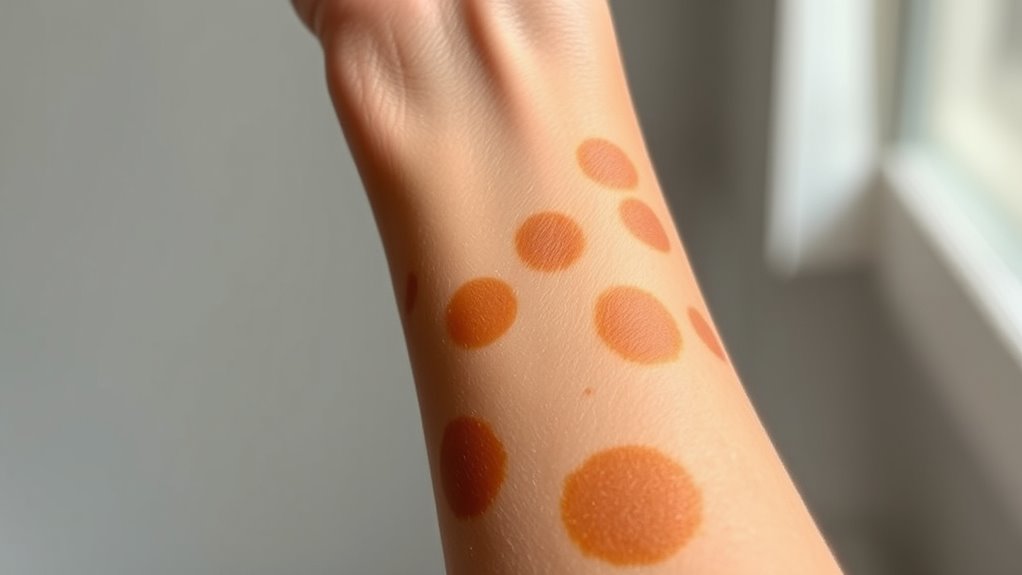
Self-tanning can give you a sun-kissed glow without harmful UV exposure, but it’s easy to make mistakes that result in uneven or unnatural-looking skin. One of the most common issues is application errors, which often lead to patchy results. If you don’t prep your skin properly or rush the process, your tan can look streaky or uneven. Before applying any self-tanner, you need to guarantee your skin is thoroughly exfoliated, removing dead skin cells that can cause uneven absorption. Skipping this step often results in blotchy patches because the product clings unevenly to rough patches or dry areas. Additionally, make sure your skin is completely dry before you start applying the self-tanner. Moisture can interfere with the absorption process, leading to streaks or darker spots where the product pools.
Thorough exfoliation and dry skin are key to avoiding patchy self-tanning results.
When applying the self-tanner, use a mitt or gloves to prevent staining your palms and to achieve a more even application. Apply the product in long, smooth strokes, starting from your ankles and working upward. Be cautious around areas like elbows, knees, and ankles, where skin is drier and tends to absorb more product, which can cause darker patches. To avoid application errors, don’t rush through the process—take your time to blend thoroughly, especially around tricky spots like your wrists and neck. If you notice streaks or patchiness during application, don’t try to fix them by adding more product; instead, gently blend the edges with a damp cloth or a clean mitt to smooth out uneven spots.
After applying, wash your hands thoroughly to prevent staining your palms, and wait the recommended time before dressing or showering. Rushing this step can cause transfer or uneven fading of the tan. If you’re new to self-tanning, consider doing a patch test on a small area first to see how your skin reacts. This helps you identify potential patchy results before covering larger areas. Remember, patience is key. Rushing or skipping steps will only increase your chances of uneven color and frustration.
In short, avoiding application errors and paying attention to detail can drastically improve your results. Proper preparation, careful application, and patience can help you achieve a natural, even glow without the dreaded patchiness. Once you get into the routine, self-tanning becomes a quick, simple way to look radiant without exposing yourself to harmful rays. Keep practicing, and over time you’ll master the art of flawless, streak-free tanning that looks just like a natural sun-kissed glow. Additionally, choosing high-quality self-tanners can make a significant difference in achieving even, natural results.

Yvoier Self Tanning Mitt Applicator – Elastic Wrist Tan Mitt Applicator Microfibre Tanning Lotion Applicator Self Tanning Glove Sunless Tanning Mitt Streak Free Tan for Tanner Spray Mousse Lotions
WON'T SLIDE OFF ▶ Say goodbye to the No Control self tanning mitt. Yvoier used the thumb &…
As an affiliate, we earn on qualifying purchases.
As an affiliate, we earn on qualifying purchases.
Frequently Asked Questions
How Long Does Self-Tanning Last Before Fading?
Your self-tan typically lasts about 5 to 10 days, depending on your tan longevity and fading timeline. To make it last longer, moisturize regularly and avoid exfoliating harshly. Keep in mind that factors like skin type, application technique, and how often you shower can influence how quickly it fades. Usually, your tan will gradually fade over a week or so, giving you time to reapply without it looking uneven.
Can I Use Moisturizer Before Self-Tanning?
Imagine your skin as a canvas waiting to be painted. Yes, you can use moisturizer before self-tanning. Moisturizer benefits include prepping skin by creating a smooth, hydrated surface, ensuring an even tan. Apply it to dry areas like elbows and knees to prevent streaks. Proper prepping with moisturizer helps your self-tanner glide effortlessly, giving you that flawless glow without patchiness. So, don’t skip this essential step for perfect results.
Is It Safe to Mix Different Self-Tanning Products?
Mixing different self-tanning products isn’t recommended because of potential product compatibility issues. You might encounter ingredient interactions that cause uneven color or skin irritation. Always check labels for ingredient lists and instructions, and adhere to one product at a time for safe, consistent results. If you’re curious about combining products, do a patch test first and consult the manufacturer’s guidelines to ensure safety and effectiveness.
How Do I Fix Uneven Self-Tan Patches?
Imagine trying to paint a wall with uneven strokes—that’s how uneven self-tan patches can feel. To fix this, start with gentle exfoliation tips to remove dead skin, then use quality tanning tools for smooth application. Focus on blending the edges, especially around tricky spots. Regular exfoliation and proper tools help you achieve a flawless glow, making your self-tan look natural and even, just like a professional’s work.
What Is the Best Time of Day to Apply Self-Tanner?
The best time of day for application timing is in the evening or at least a few hours before bed. This allows the self-tanner to develop without interference from sweating or water exposure. For ideal application, you should exfoliate beforehand and apply evenly. Giving it time to set overnight ensures a streak-free, natural-looking tan. Remember, patience with application timing results in a flawless, long-lasting glow.
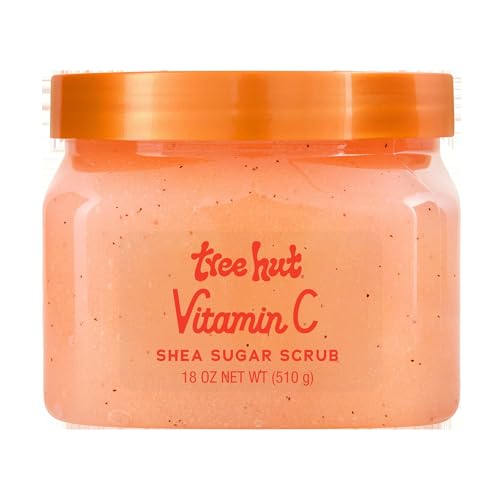
Tree Hut Vitamin C Shea Sugar Scrub, 18 oz, Ultra Hydrating and Exfoliating Scrub for Nourishing Essential Body Care
Exfoliating body scrub removes dull, dry skin to reveal glowing, soft, smooth skin
As an affiliate, we earn on qualifying purchases.
As an affiliate, we earn on qualifying purchases.
Conclusion
Just like Icarus soaring too close to the sun, your perfect tan can quickly turn into a fiery mishap if you don’t pay attention. Avoid these common mistakes, and you’ll stay grounded in a flawless glow. Remember, the key isn’t just in the application, but in the preparation and patience. With a little care, you’ll avoid the pitfalls of a fake tan disaster and emerge radiant—no wings required. Stay smart, stay stunning.

Jergens Natural Glow +Firming Self Tanner Body Lotion, Fair to Medium Skin Tone, Sunless Tanning Moisturizer with Collagen and Elastin. Helps to Visibly Reduce Cellulite, 7.5 Fl Oz
SELF TANNER BODY LOTION – Create a flawless light bronze tan with gradual, natural-looking color while nourishing and…
As an affiliate, we earn on qualifying purchases.
As an affiliate, we earn on qualifying purchases.

Norvell Premium Spray Tan Solution Venetian 8 fl oz – Professional Sunless Tanning Formula for Natural Bronze Glow, Streak-Free, Fast-Drying, Long-Lasting Color
SUNLESS TAN SOLUTION – Indulge yourself in bold, beautiful color with Norvell Venetian Tanning Solution. It gives a…
As an affiliate, we earn on qualifying purchases.
As an affiliate, we earn on qualifying purchases.