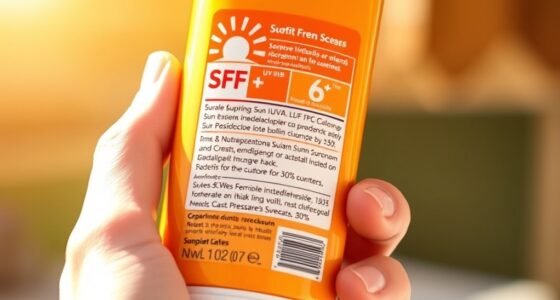
In reflective urban environments, your UV exposure can increase due to sunlight bouncing off glass buildings, pavements, and metal surfaces. To protect yourself, wear broad-spectrum sunscreen with high SPF, cover up with protective clothing and a wide-brimmed hat, and use sunglasses that block 100% of UV rays. Be especially cautious during peak sunlight hours, and stay aware of your surroundings. If you want to learn more about shielding yourself effectively, keep exploring how urban materials influence UV risks.
Open a free Amazon Business account
Business pricing, bulk buying and tax-exempt orders.
As an affiliate, we earn on qualifying purchases.
Key Takeaways
- Wear broad-spectrum sunscreen with high SPF to shield skin from reflected UV rays.
- Use UV-protective sunglasses to prevent eye damage from multiple reflection angles.
- Cover exposed skin with protective clothing, hats, and long sleeves when near reflective surfaces.
- Seek shade or plan outdoor activities during early mornings or late afternoons when UV reflection is lower.
- Be aware of surroundings—materials like glass and pavement increase UV reflection, requiring extra caution.

Urban environments with reflective surfaces like glass buildings and pavements can substantially increase your sun exposure, often catching you off guard. When you walk through a cityscape, the sunlight doesn’t just come directly from above; it also bounces off these surfaces, creating additional sources of UV reflection. This means you might be exposed to higher levels of ultraviolet radiation than you realize, even on cloudy days or in shaded areas. The key factor here is how different building materials influence UV reflection. Glass, especially reflective or tinted types, can bounce a significant amount of UV rays toward you, amplifying your overall exposure. Similarly, pavement materials like concrete or asphalt, especially when wet or light-colored, can reflect UV rays and increase the risk of sun damage.
Understanding how building materials affect UV reflection helps you better protect yourself. For example, glass facades with a high reflectivity can bounce UV rays at various angles, meaning you could absorb more radiation than expected when walking near these structures. Metal surfaces, often used in modern architecture, are even more reflective, intensifying the UV reflection and raising your risk of sunburn or long-term skin damage. On the other hand, some materials like brick, stone, or wood tend to absorb UV radiation rather than reflect it, offering a bit of natural protection. But in urban environments, the prevalence of reflective glass and smooth pavements makes UV reflection a significant concern. Moreover, security of UV protection in reflective urban environments is crucial to prevent skin damage.
To minimize your risk, you should consider the influence of building materials in your sun protection strategy. Wearing broad-spectrum sunscreen with a high SPF remains essential, especially when you’re around reflective surfaces. Protective clothing, like long sleeves and wide-brimmed hats, can add an extra layer of defense against UV rays reflected from surfaces. Sunglasses that block 100% of UV rays are also essential, as UV reflection can reach your eyes from multiple angles, not just from the sun overhead. Being aware of your environment helps you plan your outdoor activities for times when UV reflection is less intense, such as early mornings or late afternoons. Ultimately, understanding how UV reflection interacts with building materials empowers you to take smarter precautions, reducing your risk of sun damage while maneuvering the reflective chaos of urban settings.

La Roche-Posay Anthelios Melt-In Milk SPF 100 Sunscreen for Face & Body 3oz
- Travel Size: Non-sealed for convenience
- High SPF Protection: SPF 100 for face and body
- Sun-Sensitive Formula: Protects skin that burns easily
As an affiliate, we earn on qualifying purchases.
As an affiliate, we earn on qualifying purchases.
Frequently Asked Questions
How Do Reflective Surfaces Affect UV Exposure Levels?
Reflective surfaces increase your UV exposure levels through urban mirror effects, bouncing UV rays onto your skin from multiple angles. These surfaces, like glass and metal, intensify reflective surface UV, making it easier to get sun damage without realizing it. To protect yourself, wear broad-spectrum sunscreen, seek shade, and cover up, especially in areas with lots of reflective surfaces. Being aware of these effects helps you stay safer in reflective urban environments.
Are Standard Sunglasses Sufficient for Urban Sun Protection?
Standard sunglasses are a good start for urban sun protection, but they might not be enough, especially in reflective environments. Look for fashion accessories that offer UV protection and wraparound styles to shield your eyes from all angles. Prioritize sunglasses that block 100% of UVA and UVB rays to maintain eye health. Remember, investing in quality sunglasses can make a significant difference in protecting your vision from harmful UV exposure.
What Clothing Materials Best Block UV Rays in Reflective Areas?
Imagine shielding yourself from sun’s glare bouncing off shiny surfaces—your clothing fabric types matter. Opt for UV blocking textiles like tightly woven nylon, polyester, or specially treated fabrics that act like a barrier against harmful rays. These materials absorb or reflect UV rays effectively, especially in reflective urban areas. Wearing such clothing guarantees you stay protected, even when the sun’s reflection amplifies exposure, making your outdoor experience safer and more comfortable.
How Often Should I Reapply Sunscreen in Urban Environments?
You should reapply sunscreen every two hours during urban sun exposure, especially if you’re outdoors or near reflective surfaces. If you’re sweating or wiping your face, it’s best to reapply more often. Keep in mind that sunscreen reapplication is essential to maintain protection against UV rays bouncing off buildings and other reflective surfaces. Staying vigilant helps prevent skin damage and ensures you’re protected during extended periods in urban environments.
Can Urban Pollution Influence the Effectiveness of Sun Protection?
Air pollution can decrease your sun protection effectiveness by up to 20%, according to studies. When pollutants interact with UV rays, they can create free radicals that damage your skin and weaken sunscreen barriers. This interaction means pollution can compromise your defenses, so it’s vital to reapply sunscreen often and seek shade, especially when air quality is poor. Protecting yourself means staying vigilant in polluted urban environments.
Conclusion
As you navigate busy city streets, remember that reflective surfaces are like hidden mirrors, amplifying sunlight and sneaking UV rays into your day. Just like wearing sunglasses shields your eyes from glare, applying broad-spectrum sunscreen and seeking shade protect your skin in these mirrored environments. Think of urban reflection as a dance with light—stay graceful and prepared. With these simple steps, you can outsmart the sun and keep your skin safe, even in the brightest city corners.
College move-in / dorm season Picks
dorm essentials
As an affiliate, we earn on qualifying purchases.