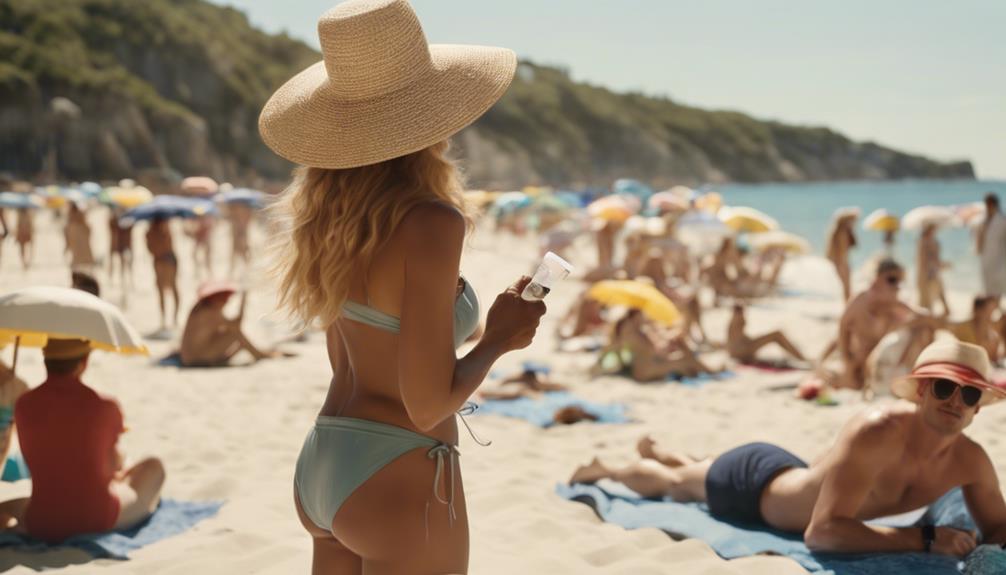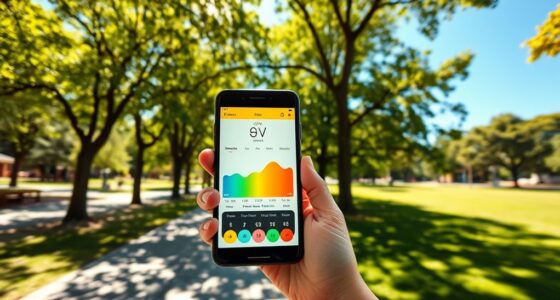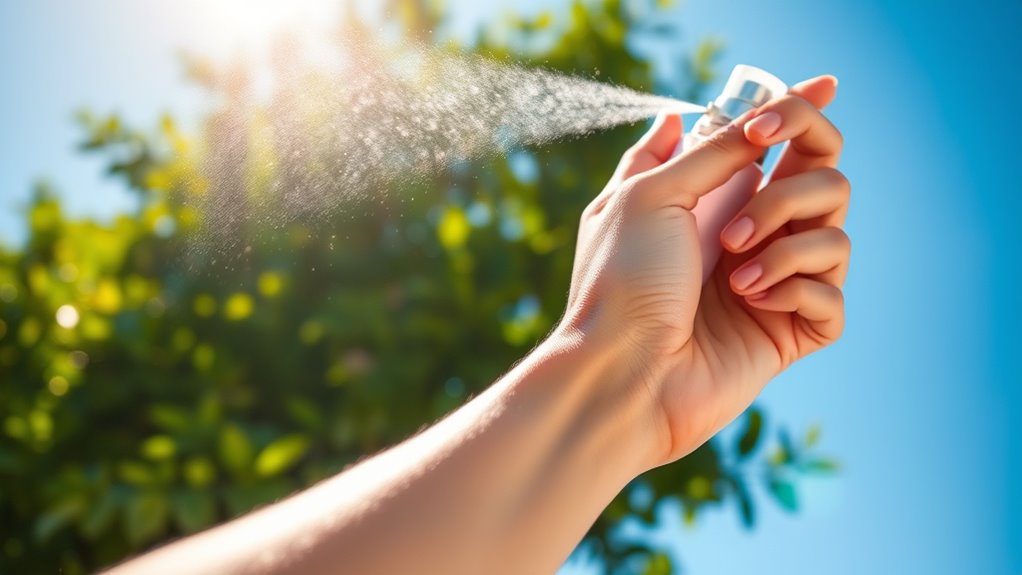

You should reapply your SPF sunscreen every two hours when outdoors, especially after sweating, swimming, or towel drying. Water-resistant formulas still need reapplication because sun exposure and physical wear break down protection. The sun’s intensity, your activity level, and environmental factors also influence how often you need to reapply. Fair skin and peak UV hours call for extra vigilance. If you want to stay protected all day, keep these tips in mind and learn more below.
Key Takeaways
- Reapply sunscreen every two hours outdoors, more frequently during swimming, sweating, or towel-drying.
- Water-resistant sunscreens still require reapplication after water exposure or heavy sweating.
- Reapply thoroughly to all exposed areas, including often-missed spots like ears and behind knees.
- Reapplication is essential regardless of initial SPF, sunscreen type, or duration since last application.
- Use reminders or routines to ensure consistent reapplication during outdoor activities.
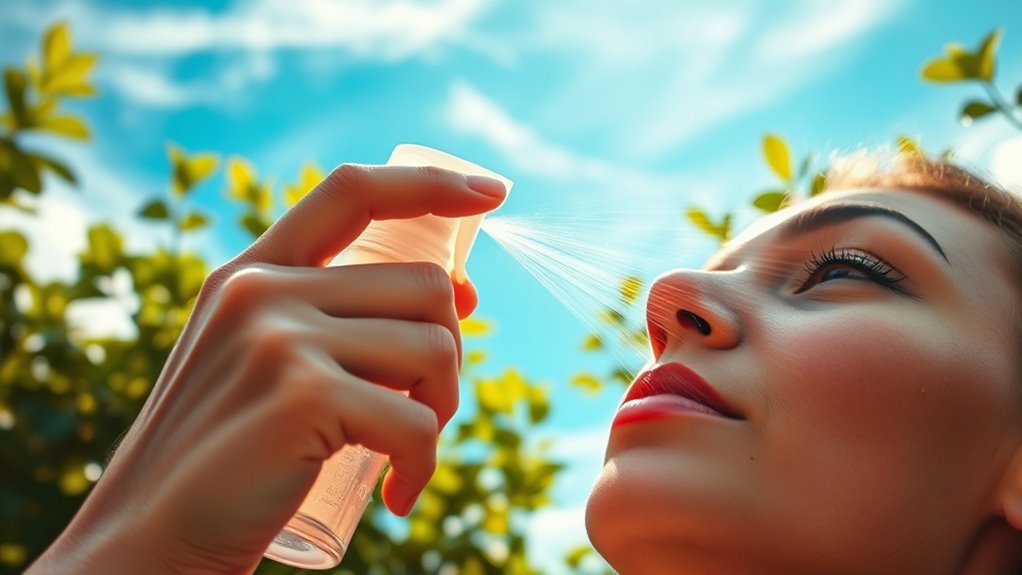
Knowing when to reapply your SPF is vital for maintaining effective sun protection. Sunscreen durability can vary depending on the formulation, activity level, and environmental conditions, but generally, it doesn’t last all day without a refresh. Understanding the reapplication frequency needed guarantees you stay protected from harmful UV rays, reducing the risk of sunburn and long-term skin damage. Most dermatologists recommend reapplying every two hours when you’re outdoors, but this can shift based on your specific circumstances. If you’re swimming, sweating heavily, or towel-drying, you’ll need to reapply more often because these activities diminish sunscreen’s effectiveness more quickly. Even water-resistant sunscreens aren’t invincible—after swimming or sweating, reapplication is necessary to maintain coverage. Additionally, HEPA filters in air purifiers can help remove airborne particles that irritate skin and respiratory pathways, indirectly supporting skin health in environments with poor air quality.
It’s easy to assume that a single application in the morning will last through the day, but this isn’t the case. The sun’s intensity fluctuates, and sunscreen’s protective qualities diminish over time due to exposure to sunlight, heat, and physical wear. Many people underestimate how quickly sunscreen can break down or wear off, especially during active outdoor pursuits. That’s why understanding sunscreen durability is essential. If your sunscreen has a high SPF and is labeled water-resistant, it can offer extended protection, but it still isn’t foolproof. Reapplication is a simple step that guarantees you’re not unknowingly exposing your skin to UV damage. When reapplying, make sure to cover all exposed areas thoroughly—often, people miss spots on their ears, neck, or behind their knees.
Your reapplication frequency also depends on your skin type and the strength of the sunlight. Fair-skinned individuals need to be more vigilant, reapplying more frequently, especially during peak hours when UV rays are strongest, typically between 10 a.m. and 4 p.m. It’s a good idea to set reminders or incorporate reapplication into your routine—like before heading outdoors, after a break in the shade, or after swimming. Remember that sunscreen isn’t just a morning ritual; it’s an ongoing process that requires attention throughout your outdoor activities. Carrying a travel-sized bottle makes it easier to reapply as needed without interrupting your day. Staying consistent with reapplication guarantees your skin remains protected, making every outing safer and more enjoyable.

Banana Boat Sport Ultra SPF 50 Sunscreen Lotion, 8oz | Banana Boat Sunscreen SPF 50 Lotion, Oxybenzone Free, Sunblock, Water Resistant, 8oz
SUPERIOR ENDURANCE VS. SWEAT & WATER — From family fun to hardcore competition, Banana Boat Sport Sunscreen provides…
As an affiliate, we earn on qualifying purchases.
As an affiliate, we earn on qualifying purchases.
Frequently Asked Questions
Does SPF Protection Decrease Indoors or in the Shade?
SPF protection can decrease indoors or in the shade because indoor UV and shade protection reduce your exposure to direct sunlight. Even in shaded areas or indoors, UV rays can still reach your skin through windows or reflected surfaces. To stay protected, you should reapply SPF regularly, especially if you’re spending extended time indoors near windows or outdoors in shaded areas. Consistent reapplication helps maintain ideal SPF protection throughout the day.
Can SPF Be Reapplied Immediately After Swimming or Sweating?
You should reapply SPF immediately after swimming or sweating because sun protection can be compromised by water and sweat, which wash away or dilute the sunscreen. Skin absorption of SPF decreases when you’re wet or sweating, reducing its effectiveness. Reapplying ensures continuous protection, especially in direct sun. Make certain to use a water-resistant sunscreen and reapply generously, covering all exposed skin for maximum sun protection.
How Does SPF Effectiveness Vary With Different Skin Types?
Did you know that skin type influences SPF effectiveness? If you have sensitive skin, you might need a higher SPF or reapply more often, especially if your skin is prone to dryness or sun sensitivity. Proper skin hydration helps maintain SPF’s barrier, making it more effective. For darker skin tones, sun sensitivity is lower, but protection is still essential. Adjust your SPF use based on your skin type to stay protected.
Is SPF Reapplication Necessary on Cloudy Days?
Yes, you should reapply sunscreen on cloudy days. Cloud cover doesn’t block UV rays, so sunscreen effectiveness diminishes over time just like on sunny days. UV rays can penetrate clouds and reflect off surfaces, increasing your exposure. To stay protected, reapply every two hours, especially if you’re outdoors for extended periods. Don’t forget, UV damage can occur even without direct sunlight, so regular reapplication is essential regardless of the weather.
What Are the Signs That SPF Is No Longer Effective?
Ever notice your skin turning red unexpectedly? That’s a sign your SPF might no longer be effective. If your UV indicator shows increased exposure or your skin feels warm or irritated, it’s time to reapply. Sometimes, even if you’ve just applied SPF, factors like sweating or towel-drying can diminish its protection. Always reapply after swimming, sweating heavily, or every two hours to keep your skin safe.
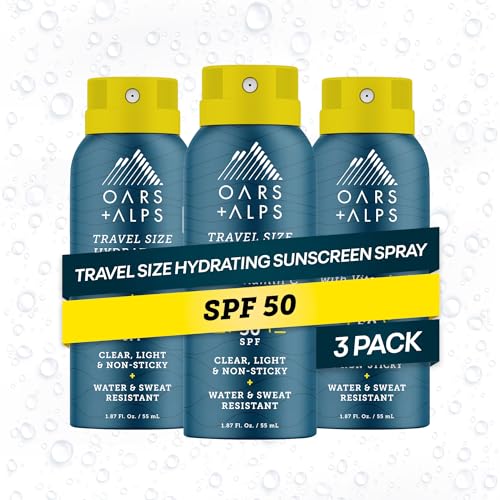
Oars + Alps SPF 50 Face & Body Broad Spectrum Sunscreen Spray | Fast-Absorbing, Lightweight, Non-Greasy, Hawaii Reef Act 104 Compliant, Water-Resistant, Octinoxate + Oxybenzone Free, 1.87 Oz, 3 Pack
HYDRATING SUNSCREEN SPRAY WITH SPF 50, NOW IN A TRAVEL FRIENDLY SIZE: This face and body spray sunscreen…
As an affiliate, we earn on qualifying purchases.
As an affiliate, we earn on qualifying purchases.
Conclusion
Remember, reapplying SPF is like watering a delicate plant—you need to do it regularly to keep it thriving. Don’t let your sun protection fade into the background; think of it as your skin’s loyal shield, ready to stand guard against harmful rays. So, keep reapplying every couple of hours, especially when you’re out and about. With consistent care, you’ll keep your skin glowing and protected, like a beacon shining bright under the sun’s watchful gaze.

UV Detection Stickers for Sunscreen – 80 Count UV Detection Stickers, Know When to re-Apply Sunscreen, Sun Protection Reminder, 8 Pattern Types
UV Detection Stickers: Beautistin UV detection sticker is transparent when there is no UV light. If it is…
As an affiliate, we earn on qualifying purchases.
As an affiliate, we earn on qualifying purchases.

Neutrogena Ultra Sheer Dry-Touch Sunscreen Lotion SPF 70, Broad Spectrum, Water Resistant 80 Min, Oil-Free, Oxybenzone-Free, Non-Comedogenic, Matte Finish, Body Sunscreen, Travel Size 3 Fl Oz
SPF 70 broad spectrum sunscreen lotion delivers high UVA/UVB protection for daily use; water resistant for up to…
As an affiliate, we earn on qualifying purchases.
As an affiliate, we earn on qualifying purchases.