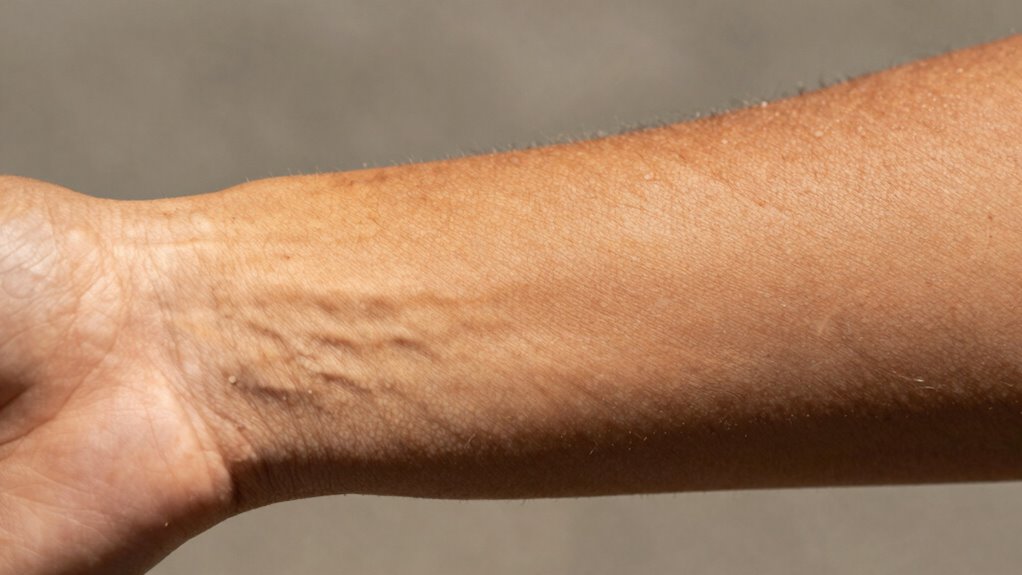

A tan signals your skin has been exposed to UV rays, which causes it to produce more melanin in a defense effort. While it may look appealing, it’s actually a sign of stress and potential damage, speeding up aging and leading to fine lines, wrinkles, and spots over time. Your skin is trying to protect itself, but this also means long-term harm. Keep going to understand what this means for your skin’s health and how to protect it better.

Get beauty and skincare favorites delivered free with Prime
- Fast, free delivery on millions of items
- Prime Video, Amazon Music and more included
- Member-only deals all year
Key Takeaways
- A tan indicates increased melanin production as a response to UV exposure, signaling skin stress and potential damage.
- Tanning is a warning sign that your skin has been exposed to harmful UV rays and is under stress.
- Repeated tanning accelerates skin aging, leading to wrinkles, age spots, and loss of elasticity.
- Uneven or sudden tans may reflect overexposure and inadequate sun protection.
- Protecting your skin from UV rays helps prevent long-term damage and maintains youthful, healthy skin.
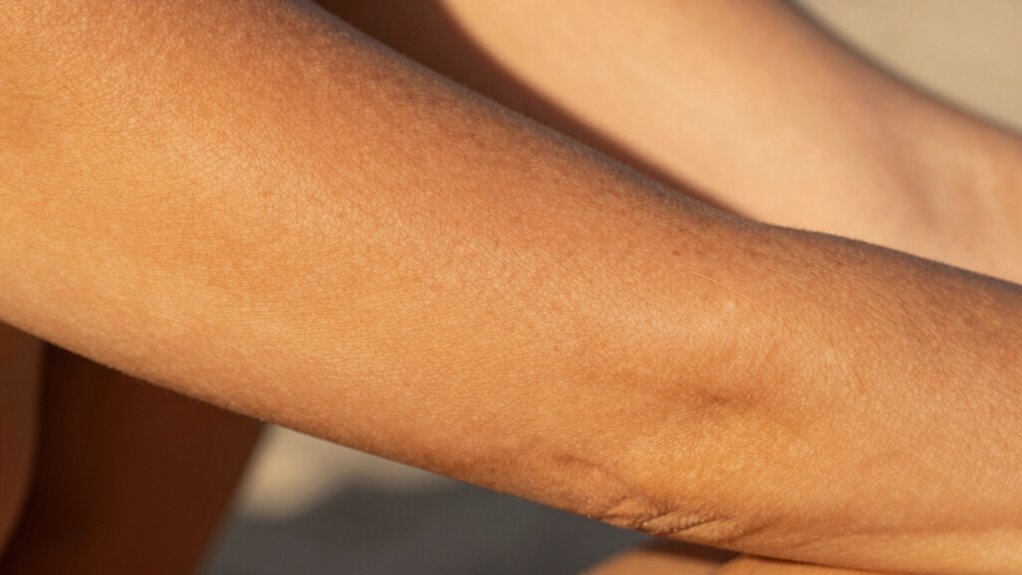
A tan isn’t just a sign of sunny days; it can reveal important information about your skin’s health. When you notice your skin has darkened after exposure to the sun, it’s your body’s way of trying to protect itself from UV rays. Melanin, the pigment responsible for tanning, increases as a natural defense mechanism. But while a tan might seem like a healthy glow, it’s actually a sign that your skin has been exposed to harmful ultraviolet radiation. This exposure can accelerate skin aging and increase your risk of skin damage, including premature wrinkles and age spots.
A tan signals UV exposure and skin stress, indicating potential long-term damage and premature aging risks.
Your body’s response to UV radiation highlights the significance of sun protection. If you’re tanning, it means your skin is trying to shield itself, but it’s not a foolproof barrier. Over time, repeated sun exposure without proper protection causes collagen breakdown, leading to premature skin aging. Fine lines, sagging, and uneven skin tone are all signs that your skin has been compromised. The more often you tan, especially without using sunscreen or protective clothing, the more you accelerate the aging process. Wearing broad-spectrum sunscreens, seeking shade, and covering up are vital steps to prevent further damage and maintain youthful skin. Additionally, understanding how melanin production works can help you better appreciate your skin’s natural responses to sunlight.
A tan can also serve as an indicator that your skin’s defenses are being overwhelmed. While a little sun exposure can boost vitamin D levels, too much can be damaging. If you notice a sudden or uneven tan, it might suggest that your skin is reacting to excessive exposure or that you’re neglecting sun protection. Recognizing the signs of skin damage can help you take proactive steps to protect your skin. It’s important to recognize that sun damage accumulates over time, even if you don’t see immediate effects. Recognizing the signs of chronic sun exposure can help you take proactive steps to protect your skin. It’s easy to mistake a temporary tan for a sign of good health, but it’s actually a warning sign that your skin is under stress. Long-term, this stress manifests as faster skin aging, with deeper wrinkles and loss of elasticity. Protecting your skin from UV rays isn’t just about avoiding burns; it’s about preserving its youthful appearance and health in the long run.
broad spectrum sunscreen for face
As an affiliate, we earn on qualifying purchases.
As an affiliate, we earn on qualifying purchases.
Frequently Asked Questions
How Long Does a Typical Tan Last Before Fading?
A typical tan lasts about 3 to 4 weeks before fading, depending on your skin pigmentation and sun exposure habits. If you spend more time in the sun, your tan might last a little longer, but it can also cause skin damage. To extend your tan, keep your skin moisturized and limit further sun exposure. Remember, everyone’s skin reacts differently, so your tan’s longevity can vary.
Can a Tan Indicate Overall Skin Health?
A tan doesn’t necessarily indicate healthy skin; it’s often a sign of skin aging caused by UV damage. While some sun exposure helps your body produce Vitamin D, too much can accelerate aging and increase skin cancer risk. If your skin tans easily, it might be protecting itself, but it’s important to balance sun exposure with skin care. Always prioritize sun protection to maintain healthy, youthful skin.
Is It Safe to Tan Regularly?
Playing with fire, huh? Regular sun exposure isn’t safe, as it can damage your skin and increase cancer risk. Tanning causes skin pigmentation changes, which might seem harmless but aren’t. Instead, protect your skin with sunscreen and seek shade. Remember, a tan is your skin’s warning sign of damage, so don’t chase it. Prioritize your skin’s health over a fleeting, golden glow.
What Foods Can Influence Skin Tanning?
Eating foods rich in carotenoids, like carrots, sweet potatoes, and spinach, can influence your skin pigmentation and may enhance tanning. These nutrients boost your skin’s natural color and protect against sun damage. While sun exposure helps you tan, consuming these foods can support a healthier glow. Remember, moderation is key, and combining a balanced diet with proper sun protection guarantees your skin stays healthy and radiant.
Does a Deep Tan Mean Better Protection?
A deep tan doesn’t mean better protection; it actually indicates increased skin pigmentation, which is your skin’s response to sun exposure. While some think a darker tan shields against UV rays, it still allows damage to occur, raising skin cancer risks. Instead of relying on a deep tan, prioritize sunscreen and protective clothing. Remember, a darker skin tone isn’t a license to skip sun safety measures.
Conclusion
Remember, a tan might seem like a sign of health or beauty, but it actually indicates skin damage. You might think a little color boosts your confidence, but protecting your skin from UV rays keeps it healthy and youthful long-term. So, don’t be fooled into thinking tanning is harmless—embrace your natural skin and choose safe alternatives like self-tanners. Your skin will thank you for making smarter, healthier choices now and in the future.
Halloween Picks
halloween
As an affiliate, we earn on qualifying purchases.