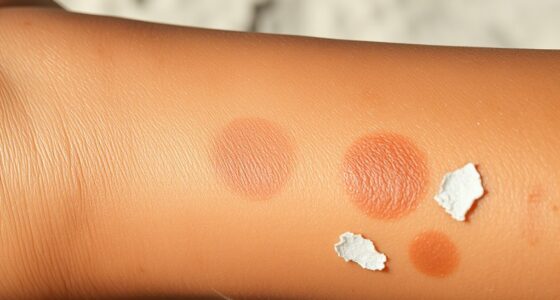
UV exposure affects both your eyes and skin because rays penetrate tissues, causing damage over time. In your skin, UV can lead to burns, aging, and skin cancers. For your eyes, UV rays can damage the cornea, lens, and retina, increasing risks of cataracts and other conditions. Damage often happens silently, building up gradually. Protecting both areas is essential, and understanding how external factors heighten risk can help you stay safe—so keep exploring for more insights.

Get beauty and skincare favorites delivered free with Prime
- Fast, free delivery on millions of items
- Prime Video, Amazon Music and more included
- Member-only deals all year
Key Takeaways
- UV rays penetrate both skin and eye tissues, causing cellular damage and accelerating aging in both areas.
- The eye’s internal structures, like the lens and retina, are vulnerable to UV-induced damage similar to skin.
- UV exposure can lead to eye conditions such as cataracts and macular degeneration, paralleling skin damage like sunburns or aging.
- Both skin and eyes absorb UV rays, with the eye’s lens absorbing UV light, which can cause clouding and vision impairment.
- Long-term UV exposure accumulates damage over time, increasing risks for skin cancers and eye diseases alike.
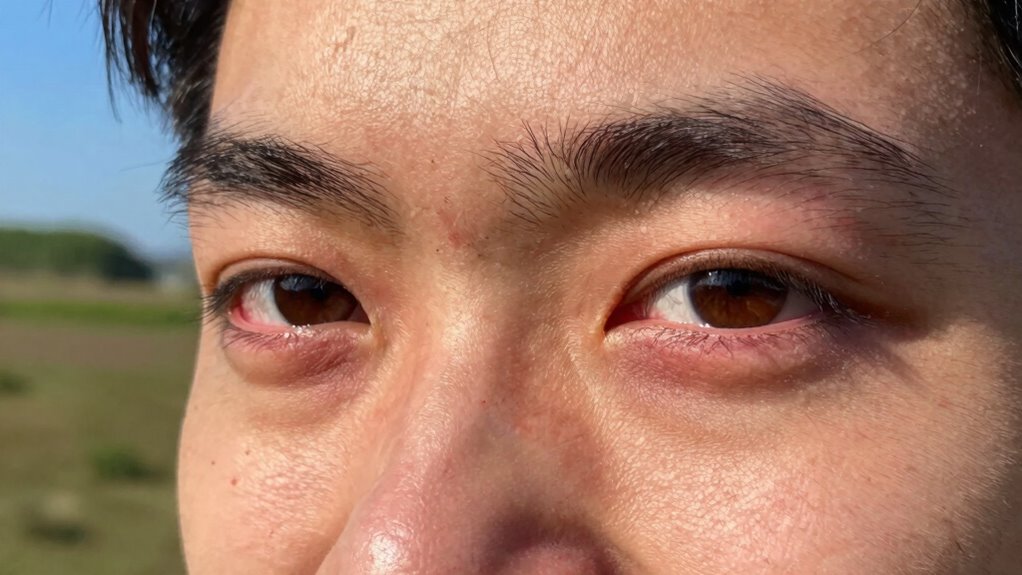
When you spend time in the sun, you might think about protecting your skin from harmful UV rays, but your eyes are just as vulnerable. Ultraviolet radiation can penetrate your eyes and cause damage that isn’t always immediately obvious. Ocular damage from UV exposure can lead to a range of problems, from minor discomfort to serious conditions that impair your vision. That’s why UV protection isn’t just about sunscreen for your skin — it’s equally important for your eyes.
Protecting your eyes from UV rays is just as important as shielding your skin from the sun.
Your eyes are designed to filter sunlight, but they aren’t immune to the effects of prolonged or intense UV exposure. Over time, UV rays can damage the cornea, lens, and other internal structures of your eye. This damage can accelerate aging of the eyes and increase the risk of conditions like cataracts, pterygium, and age-related macular degeneration. In particular, the lens absorbs UV light, which can lead to clouding and opacities that impair your vision. If you neglect UV protection, the cumulative damage can become significant, making even everyday outdoor activities risky for your eye health.
Many people overlook the importance of safeguarding their eyes because they don’t feel immediate pain or discomfort. However, UV damage is often gradual, building up silently over years. That’s why wearing sunglasses with UV protection is crucial whenever you’re outdoors. Not all sunglasses provide the same level of protection, so look for those labeled with 100% UV protection or UV400. Wraparound styles are especially effective because they shield your eyes from UV rays coming from different angles. Wearing a wide-brim hat can further reduce UV exposure by blocking sunlight from reaching your eyes from above.
You should also be aware that UV rays can reflect off surfaces like water, sand, snow, and pavement, increasing your exposure even further. This is why protective eyewear is essential during outdoor activities, especially in bright conditions. It’s not enough to simply avoid the sun during the peak hours; proper UV protection is a year-round concern, especially if you spend a lot of time outdoors. Regular eye exams can help monitor your eye health and catch early signs of UV-related damage before it worsens.
Additionally, understanding the mythology-inspired names can serve as a memorable reminder of the importance of protecting your vision, as many mythological figures symbolize wisdom and strength—qualities essential for maintaining eye health over time. Proper UV protection can significantly reduce the risk of long-term ocular damage and preserve your vision. Being aware of UV reflection and how it impacts exposure can further enhance your protective measures. It’s also helpful to know that certain outdoor environments can increase UV exposure, making protective gear all the more necessary.
In short, protecting your eyes from UV rays is a vital part of your overall health routine. Just as you wouldn’t skip sunscreen for your skin, don’t neglect UV protection for your eyes. The long-term benefits of safeguarding your vision far outweigh the inconvenience of wearing sunglasses or protective gear. By taking simple steps now, you can reduce your risk of ocular damage and enjoy clear, healthy vision for years to come.
As an affiliate, we earn on qualifying purchases.
Frequently Asked Questions
How Does UV Damage Differ Between Eyes and Skin?
UV damage affects your eyes and skin differently because of UV penetration levels. UV rays penetrate skin, causing damage to cells and disrupting skin regeneration, leading to premature aging and skin cancer. In your eyes, UV light can harm delicate tissues like the cornea and lens, increasing risks of cataracts and other eye conditions. Protecting both areas with sunglasses and sunscreen helps minimize long-term damage and preserves your vision and skin health.
Can UV Exposure Cause Long-Term Eye Health Issues?
Yes, UV radiation can cause long-term eye health issues. Your eyes are more sensitive to UV exposure, especially if you spend a lot of time outdoors without protection. Prolonged UV exposure can lead to cataracts, macular degeneration, and pterygium. To protect your eyes, wear sunglasses with UV protection, a wide-brimmed hat, and avoid peak sunlight hours. Regular eye checkups help catch issues early, ensuring your vision stays healthy long-term.
Are Sunglasses Effective Against All Types of UV Rays?
Sunglasses are effective against most UV rays, but not all. Fashion trends influence sunglasses styles, often prioritizing looks over protection. To guarantee maximum UV protection, choose sunglasses made from quality materials like polycarbonate or lenses coated with UV-blocking film. Look for labels indicating 100% UV protection. Remember, stylish sunglasses can still shield your eyes effectively if you select the right materials and features.
How Quickly Can UV Damage to Eyes Occur?
UV damage to your eyes can happen surprisingly quickly, sometimes within minutes of intense exposure. UV radiation is highly effective at causing eye sensitivity, leading to conditions like photokeratitis or cataracts over time. The truth is, your eyes are vulnerable because they lack the thick skin that protects your skin from UV rays. Wearing proper sunglasses and limiting exposure can considerably reduce the risk of rapid UV damage.
Is UV Protection Necessary Indoors or Only Outside?
UV protection isn’t just necessary outside; indoor lighting and UV reflection make it important indoors too. You may not realize it, but some indoor lights emit UV rays, and surfaces like glass or water can reflect UV exposure onto your eyes. Wearing UV-protective glasses indoors helps shield your eyes from these hidden sources, reducing the risk of damage over time. Always consider protection, regardless of whether you’re inside or outside.
Conclusion
Remember, protecting your eyes from UV rays is just as important as shielding your skin. Many people think sunglasses are just a fashion statement, but they’re essential for preventing damage like cataracts and sunburned eyes. Imagine blinking away discomfort or risking long-term vision problems—that’s avoidable with simple steps like wearing sunglasses and hats. Don’t wait until it’s too late; take action today to keep your eyes healthy and clear for years to come.
Halloween Picks
halloween
As an affiliate, we earn on qualifying purchases.