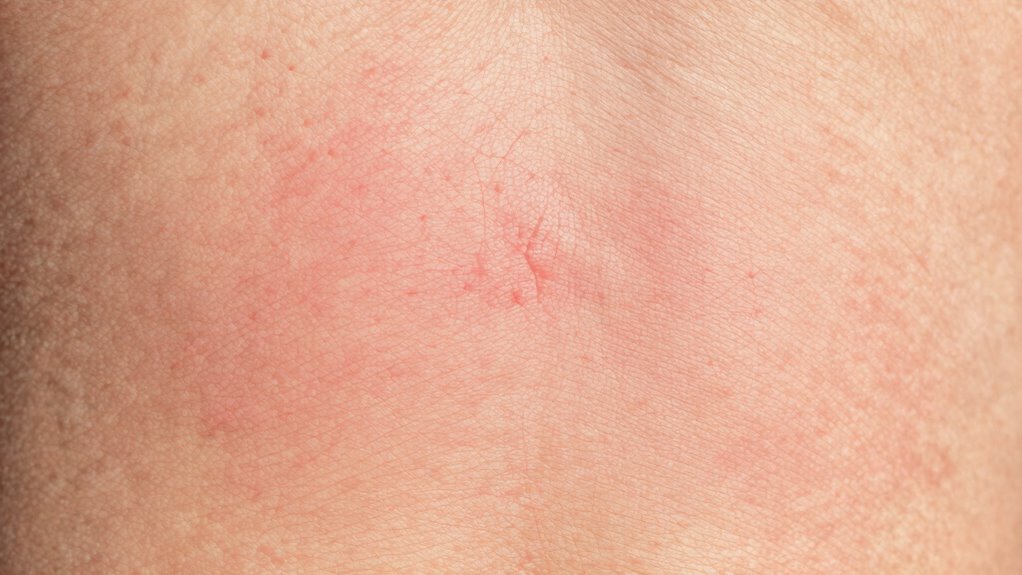

When you spend time in the sun, your skin absorbs UV rays, which can cause cellular damage and generate free radicals. This damage triggers your immune system to respond, leading to redness, warmth, and discomfort—classic signs of inflammation. Over time, repeated exposure can cause long-term skin changes and increase your risk of aging or even skin cancer. To learn more about how your skin reacts and how to protect it, keep exploring this topic further.

Get beauty and skincare favorites delivered free — and shop member deals
- Fast, free delivery on millions of items
- Access to Prime Big Deal Days deals on October 6–7
- Prime Video, Amazon Music and more included
Key Takeaways
- UVB rays stimulate vitamin D production but also generate free radicals that damage skin cells.
- Free radical damage triggers inflammatory responses, causing redness, swelling, and discomfort.
- UV exposure activates immune cells, leading to inflammation as part of the skin’s repair process.
- Excessive UV exposure increases melanin production, which can further promote inflammatory cascades.
- Repeated sun exposure causes structural skin changes, leading to chronic inflammation and accelerated aging.

Sun exposure plays a significant role in triggering skin inflammation, especially when your skin is overexposed or not properly protected. When you spend time in the sun, your body responds in various ways, some of which can lead to inflammation. One key response involves vitamin D synthesis. Your skin has the ability to produce vitamin D when exposed to ultraviolet (UV) rays, particularly UVB. While vitamin D is essential for bone health and immune function, the process itself can also contribute to skin inflammation if your skin isn’t carefully protected. Excessive sun exposure leads to increased production of free radicals, which can damage skin cells and initiate inflammatory processes. This damage can cause redness, swelling, and discomfort—classic signs of skin inflammation.
Overexposure to sunlight can trigger skin inflammation and damage, causing redness, swelling, and discomfort.
Simultaneously, your skin’s melanin response plays a crucial role in how your body reacts to UV exposure. Melanin, the pigment responsible for your skin color, acts as a natural sunscreen by absorbing UV rays. When you’re exposed to sunlight, your skin responds by producing more melanin to protect deeper layers from UV damage. This process, called melanogenesis, is an immediate defense mechanism. However, this melanin response isn’t perfect; it can sometimes lead to uneven pigmentation or hyperpigmentation, especially if your skin is frequently overexposed. The increased melanin can also indicate that your skin is under stress from UV damage, which can trigger inflammatory cascades.
If you don’t take precautions, the combination of vitamin D synthesis and melanin response can escalate into inflammation. The UV rays penetrate your skin, prompting immune cells to respond, which results in redness and swelling. You might notice that your skin feels warm or tender after prolonged sun exposure. This inflammatory response is your body’s way of trying to repair the damage caused by UV radiation. But if this damage accumulates over time, it can lead to chronic inflammation, accelerating aging and increasing the risk of skin conditions like sun spots, hyperpigmentation, or even skin cancer. Research also shows that repeated UV exposure can cause lasting changes in skin structure, which further contributes to skin aging and inflammatory processes.
Understanding the interactions of UV radiation with skin cells can help you better protect yourself from inflammatory damage and skin aging. Additionally, research shows that repeated UV exposure can cause lasting changes in skin structure, which further contributes to skin aging and inflammatory processes. Therefore, while sunlight is vital for vitamin D production, overdoing it without protection pushes your skin to its limits. Your body’s natural responses—melanin production and immune activation—are essential defenses, but they also signal that your skin is under stress. To minimize inflammation, it’s important to limit your sun exposure, especially during peak hours, and use protective measures like sunscreen, clothing, and shade.
broad spectrum sunscreen for sensitive skin
As an affiliate, we earn on qualifying purchases.
As an affiliate, we earn on qualifying purchases.
Frequently Asked Questions
How Quickly Does Skin Inflammation Develop After Sun Exposure?
You might notice skin inflammation within a few hours after sun exposure, especially if you’ve received significant UV damage. Your skin reacts quickly to UV damage by activating the immune response, leading to inflammation. This process involves skin repair mechanisms kicking in to fix the damage. To minimize inflammation, protect your skin with sunscreen, seek shade, and give your skin time to recover after sun exposure.
Can Certain Foods Reduce Sun-Induced Skin Inflammation?
Imagine you’re a knight fighting inflammation—certain foods can be your shield. Yes, eating nutritional antioxidants and anti-inflammatory foods like berries, leafy greens, and nuts helps reduce sun-induced skin inflammation. These foods combat free radicals and soothe your skin, minimizing redness and swelling. Incorporating them into your diet boosts your skin’s defenses, much like a trusty armor, helping you enjoy the sun with less worry about inflammation.
Are There Specific Skin Types More Prone to Sun-Triggered Inflammation?
Yes, your skin type influences susceptibility to sun-triggered inflammation. Skin sensitivity varies, with fair and thin skin being more prone. Hormonal influence also plays a role, especially in women, where hormonal fluctuations can increase inflammation risk. If you have sensitive skin or hormonal changes, you’re more likely to experience inflammation after sun exposure, so taking extra precautions like sunscreen and protective clothing becomes essential to minimize inflammation and skin damage.
Does Sunscreen Completely Prevent Inflammation Caused by Sun Exposure?
Sunscreen doesn’t completely block inflammation—no matter how effective it is, your skin still faces some risk. Sunscreen effectiveness varies, and gaps or improper application can leave you vulnerable. To bolster protection, consider natural remedies like antioxidants and soothing agents. Combining sunscreen with these remedies helps reduce inflammation and skin damage, but remember, even the best sunscreen isn’t a guarantee against sun-triggered inflammation. Always reapply and use extra care.
How Does Age Affect Susceptibility to Sun-Related Skin Inflammation?
As you age, your skin becomes more susceptible to sun-related inflammation due to genetic factors and hormonal influences. Genetic predispositions can weaken your skin’s defenses, making it easier for UV rays to cause damage. Hormonal changes, especially during menopause, can reduce collagen production and increase inflammation. So, older skin often reacts more intensely to sun exposure, emphasizing the importance of diligent sun protection to prevent inflammation and long-term damage.
Conclusion
As you step into the sun, you’re embracing warmth and essentialness—but don’t forget, each ray can ignite inflammation beneath your skin’s surface. That beautiful glow hides a silent battle, where damage and discomfort quietly unfold. So, while sun exposure offers joy and brightness, it also demands respect and caution. Protect your skin fiercely, cherish its health, and remember: sometimes, the brightest light casts the deepest shadows.
Fall Picks
fall essentials
As an affiliate, we earn on qualifying purchases.