After sun exposure, focus on soothing and hydrating your skin with gentle products containing aloe vera, chamomile, or cucumber extract to reduce redness and inflammation. Replenish moisture using hyaluronic acid or glycerin-based moisturizers, and always wear broad-spectrum sunscreen to prevent further damage. Protect your skin from additional UV rays by seeking shade and wearing protective clothing. Consistency and patience are key to healing—keep going to learn more effective ways to restore your skin’s health.
Key Takeaways
- Use soothing, antioxidant-rich products like aloe vera and vitamin C to reduce inflammation and promote skin healing.
- Prioritize hydration with hyaluronic acid and drink plenty of water to support skin recovery.
- Apply calming treatments such as cold compresses and chamomile masks to soothe redness and irritation.
- Continue wearing broad-spectrum sunscreen and protective clothing to prevent further UV damage during healing.
- Be patient, maintain consistent skincare routines, and focus on cellular regeneration to achieve long-term skin repair.

After spending time in the sun, your skin needs proper care to repair damage and restore its health. Sun exposure can cause inflammation, dehydration, and cellular damage, making it essential to adopt effective recovery strategies. The first step is understanding sun protection strategies to prevent further harm. Even after the fact, using soothing, antioxidant-rich products helps reduce inflammation and neutralize free radicals generated by UV rays. Look for ingredients like aloe vera, vitamin C, and green tea extract, which can calm irritated skin and promote healing. Applying these products consistently boosts your skin’s ability to recover.
Hydrating skincare routines are vital after sun exposure. UV rays dehydrate your skin, stripping away moisture and leading to dryness, flakiness, and increased sensitivity. Incorporate hydrating serums and moisturizers that contain hyaluronic acid or glycerin, which draw water into your skin and lock it in. These ingredients help replenish lost moisture, improve elasticity, and create a barrier against environmental stressors. Drinking plenty of water also supports internal hydration, aiding your skin’s healing process from the inside out. Avoid harsh cleansers or scrubbing, as they can further strip moisture and exacerbate irritation. Instead, opt for gentle, hydrating cleansers that clean without stripping natural oils.
Another effective approach to skin repair involves minimizing further UV damage. If you’re still outdoors, seek shade, wear wide-brimmed hats, and use broad-spectrum sunscreens—even on recovery days—to shield your skin from additional UV exposure. This prevents setbacks in the healing process and helps your skin recover more efficiently. Remember, sunscreen should be applied generously and reapplied every two hours, especially if you’re sweating or swimming.
In addition to topical treatments, consider incorporating soothing masks or cold compresses to reduce redness and inflammation. These can provide immediate relief and help calm sensitive skin. Avoid using products with alcohol or strong fragrances, which can irritate your skin further. Instead, focus on nourishing, calming ingredients like chamomile or cucumber extract. Additionally, understanding the importance of cellular regeneration can guide your choices in skincare ingredients that actively promote healing at the cellular level.
Ultimately, patience is key. Your skin needs time to repair itself after sun exposure. Consistency in sun protection strategies and hydrating skincare routines accelerates healing and minimizes long-term damage. By taking these steps, you support your skin’s natural ability to recover, leaving you with a healthier, more resilient complexion.
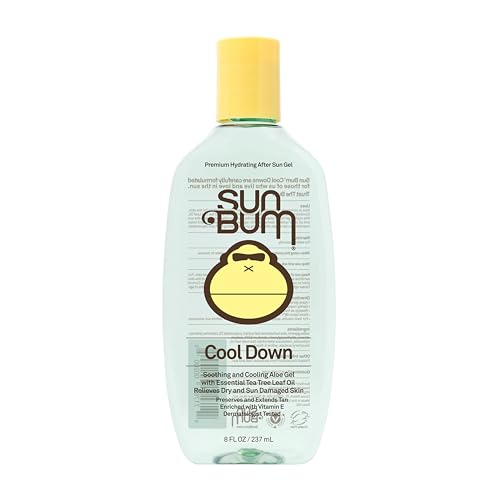
Sun Bum Cool Down Aloe Vera Gel – Vegan After Sun Care to Soothe and Hydrate Sunburn – 8 oz
COOL DOWN ALOE VERA GEL. We like to prevent sunburns, but if you get one, our soothing Aloe…
As an affiliate, we earn on qualifying purchases.
As an affiliate, we earn on qualifying purchases.
Frequently Asked Questions
Can Certain Foods Accelerate Skin Healing After Sun Damage?
Yes, certain foods can help your skin heal faster after sun damage. You should eat foods rich in Vitamin C, like oranges and strawberries, which promote collagen boost and repair skin tissue. Incorporate antioxidant-rich foods like berries and leafy greens to fight inflammation. Staying hydrated with water also aids healing. By fueling your body with these nutrients, you’ll support your skin’s natural repair process and reduce the risk of further damage.
Are There Specific Supplements That Support Skin Repair?
You’ll be glad to know that antioxidant supplements and collagen boosters can support your skin repair. Studies show that antioxidant supplements, like vitamin C and E, help reduce damage from UV rays, while collagen boosters promote skin elasticity and faster healing. Taking these supplements daily can enhance your skin’s recovery process, helping you bounce back quicker from sun damage and maintain a healthier, more resilient complexion.
How Does Age Affect Skin Recovery From Sun Exposure?
As you age, your skin’s ability to recover from sun exposure diminishes due to age-related skin changes, like reduced collagen and elasticity. Elderly skin resilience decreases, making healing slower and more prone to damage. To support recovery, focus on gentle skincare, hydration, and sun protection. While supplements can help, maintaining a healthy lifestyle and protecting your skin from further UV damage are essential for ideal healing as you get older.
Can Stress Influence the Skin’s Healing Process?
You might notice your skin heals slower when stress hits hard, and that’s no coincidence. Stress management becomes essential because it triggers hormonal effects that can impair your skin’s natural repair process. When you’re stressed, your body produces more cortisol, which hampers collagen production and delays healing. By calming your mind, you support your skin’s recovery, helping it repair faster and stay healthier after sun exposure.
Are Natural Remedies More Effective Than Commercial Products?
Natural remedies like herbal remedies and home treatments can often be quite effective for skin healing. They contain soothing ingredients such as aloe vera, chamomile, and honey that help reduce inflammation and promote repair. You might find these options gentler and more nourishing than commercial products, especially if you prefer organic solutions. However, effectiveness varies depending on individual skin types and the severity of sun damage.

medicube Jelly Cream with Hyaluronic Acid | Daily Moisturizer for All Skin Types | Long-lasting Hydration with Hyaluronic Acid, Ceramides, Multi Peptides | Supports Skin's Natural Barrier | 1.69 fl.oz
[Up to 120 Hours of Deep Hydration] Powered by 10 types of Hyaluronic Acid to deliver lasting hydration…
As an affiliate, we earn on qualifying purchases.
As an affiliate, we earn on qualifying purchases.
Conclusion
Think of your skin as a garden recovering from a harsh storm. With gentle care and patience, each sun-damaged leaf and wilted flower will slowly regain its vigor. Your efforts are like nourishing rain, helping new buds to sprout and flourish. Remember, every act of hydration and protection is a beacon of hope, guiding your skin back to its vibrant, healthy self. Trust in this process—your inner sunlight will shine through once again.

Cetaphil Sheer Mineral Liquid Sunscreen for Face, 100% Mineral UVA/UVB Filters, Zinc Oxide Broad Spectrum SPF 50 Formulated for Sensitive Skin, Unscented, 1.7 Fl Oz
CETAPHIL SHEER MINERAL FACE LIQUID SUNSCREEN SPF 50: Nourishes sensitive skin while providing hydrating, chemical free sun protection
As an affiliate, we earn on qualifying purchases.
As an affiliate, we earn on qualifying purchases.

#OOTD Cica Calming Mask for Face Sensitive Irritated Skin, Soothing, Moisturizing, Korean Anti Aging Face Mask, Eve Vegan, Chamomile, Hyaluronic Acid 10EA
SUSTAINABLE BEAUTY – #OOTD products are EVE Vegan Certified, using only natural and sustainable ingredients without animal testing….
As an affiliate, we earn on qualifying purchases.
As an affiliate, we earn on qualifying purchases.