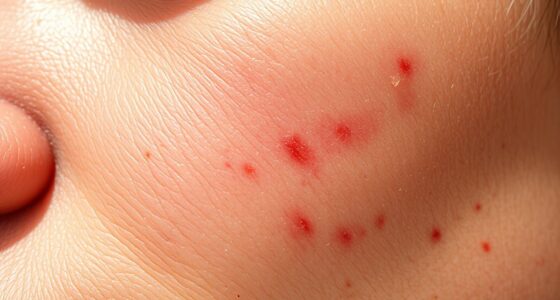
When you’re exposed to UV rays repeatedly, your skin responds by producing more melanin, which darkens your skin and helps protect against further damage. This natural response acts as a defense mechanism, absorbing and scattering harmful UV radiation. Over time, your skin may tan darker as a way to adapt to the sun. However, this process doesn’t eliminate all risks of damage, so understanding more about it can help you take better sun safety measures.

Get beauty and skincare favorites delivered free — and shop member deals
- Fast, free delivery on millions of items
- Access to Prime Big Deal Days deals on October 6–7
- Prime Video, Amazon Music and more included
Key Takeaways
- Repeated UV exposure stimulates increased melanin production as a natural protective response.
- Melanin helps absorb and scatter harmful UV rays, reducing skin damage over time.
- Skin may thicken and produce more melanin with continuous sun exposure, leading to a darker tan.
- Genetic factors influence the speed and extent of melanin response to UV radiation.
- Despite increased melanin, ongoing UV exposure can still cause long-term skin damage.

Melanin plays an essential role in protecting your skin from the harmful effects of ultraviolet (UV) radiation. When your skin is exposed to sunlight, your body responds by producing more melanin, which acts as a natural sunscreen. This process helps to absorb and scatter UV rays, reducing the risk of skin damage and sunburn. However, how effectively your skin responds to repeated UV exposure depends on your genetic variations. Some people naturally produce more melanin, resulting in darker skin tones, which offer better protection against UV rays. Others with lighter skin may produce less melanin, making them more susceptible to damage despite their efforts to shield their skin.
Your genetic makeup influences not only the baseline amount of melanin in your skin but also how your skin reacts over time with repeated UV exposure. For instance, some individuals have genes that promote rapid melanin production, allowing them to develop a tan more quickly and with greater intensity. Conversely, others may have genes that restrict melanin synthesis, leading to minimal tanning even after significant sun exposure. These genetic variations explain differences in sunscreen effectiveness among individuals. While sunscreen provides a critical layer of protection, its ability to block UV radiation can vary depending on your skin type and how your melanin responds to UV exposure. People with less melanin may need to apply sunscreen more frequently or choose products with higher SPF ratings to guarantee adequate protection.
Repeated UV exposure also triggers your skin’s adaptive responses, which can include thickening of the outer skin layer and increased melanin production. These changes can provide some degree of natural defense, but they don’t eliminate the risk of damage. Skin aging and other long-term effects are closely linked to the cumulative damage caused by UV radiation. Over time, excessive UV exposure can lead to mutations in skin cells, increasing the chances of Skin aging and even skin cancer. Your body’s ability to respond effectively depends on both your genetic predisposition and your habits. Additionally, recent studies highlight that some individuals may have genetic predispositions that influence their resilience to UV damage, which can impact their overall skin health. Understanding the biological mechanisms of melanin production can help you make more informed decisions about sun safety practices. Exploring how different body responses adapt to UV exposure can further enhance your understanding of skin protection strategies. Using broad-spectrum sunscreen, wearing protective clothing, and avoiding peak sun hours can considerably improve your protection, especially since sunscreen effectiveness isn’t solely reliant on your body’s melanin response. Additionally, understanding the role of UV radiation in skin health can help you make more informed decisions about sun safety practices.
As an affiliate, we earn on qualifying purchases.
Frequently Asked Questions
How Quickly Does Melanin Production Increase After UV Exposure?
You’ll notice melanin production increases within 24 to 48 hours after UV exposure, though it varies based on genetic factors and environmental influences. If you have darker skin, your body responds more quickly and produces more melanin, while lighter skin may take longer. Repeated UV exposure amplifies this response, leading to darker tanning or hyperpigmentation over time, depending on your skin’s unique genetic makeup and environmental conditions.
Does Melanin Provide Complete Protection Against UV Radiation?
Melanin doesn’t offer complete protection against UV radiation, and trusting it alone can be risky. While genetic factors influence your natural melanin levels, environmental influences like sun intensity and duration also matter. You might feel protected, but UV rays can still penetrate, causing damage and increasing skin cancer risk. Always combine melanin’s natural defense with protective measures like sunscreen, clothing, and seeking shade for real safety.
Can Melanin Levels Decrease After Prolonged Sun Exposure?
Yes, melanin levels can decrease after prolonged sun exposure due to melanin regulation mechanisms. Your skin’s pigmentation adjusts over time, sometimes leading to a lighter appearance if exposure is excessive or if skin cells are damaged. This process reflects the dynamic nature of skin pigmentation, where melanin production can fluctuate based on UV exposure, but overall, consistent sun exposure may also cause skin damage and long-term changes in melanin levels.
Are There Differences in Melanin Response Among Various Skin Tones?
Yes, there are differences in melanin response among various skin tones. Your genetic variation largely influences how your skin produces melanin when exposed to UV rays. People with darker skin tend to produce more melanin quickly, offering better natural protection. Cultural influences also shape sun exposure habits, affecting how your skin responds over time. These factors combine to create diverse melanin responses across different skin tones.
How Does Melanin Affect Vitamin D Synthesis During UV Exposure?
Melanin affects your vitamin D synthesis during UV exposure by acting as a natural sunscreen, reducing UV penetration to your skin’s deeper layers. Genetic influence determines melanin levels, so darker skin produces more melanin, which can slow vitamin D production. This protective response also impacts skin aging, as higher melanin levels help prevent UV damage, but may require longer sun exposure for adequate vitamin D synthesis without increasing skin aging risks.
Conclusion
So, next time you bask in the sun, remember—your skin’s melanin is working overtime, trying to protect you. Ironically, the more you expose yourself, the darker it gets, yet it’s also signaling that your skin’s defenses are on high alert. Instead of risking a sunburn or premature aging, maybe it’s time to appreciate this natural shield—just don’t forget, even melanin has its limits. So, enjoy the sun safely, and let your skin do its job.
Fall Picks
fall essentials
As an affiliate, we earn on qualifying purchases.