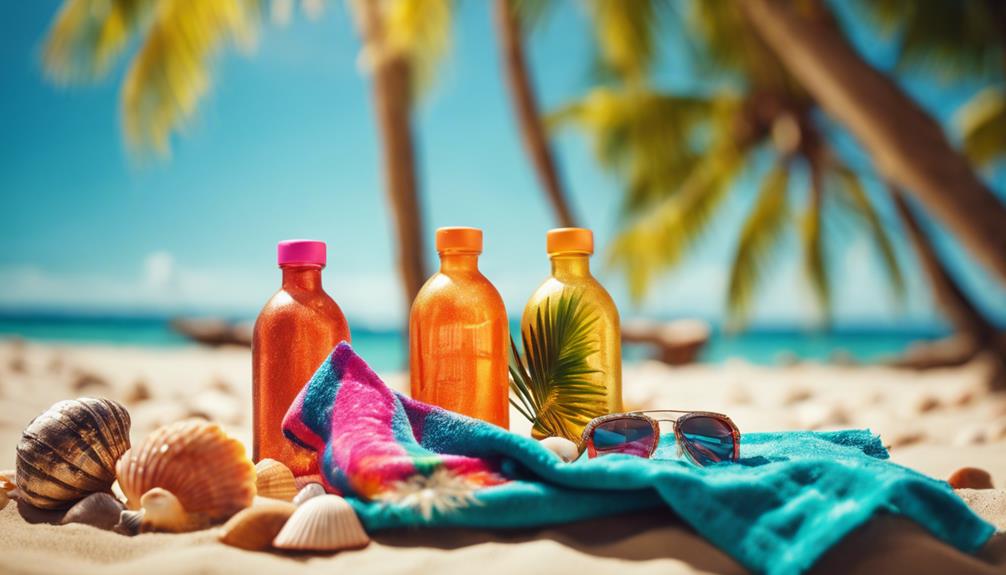
To keep children safe during peak UV hours, make sure they wear lightweight, long-sleeved clothing, wide-brimmed hats, and UV-protective sunglasses. Apply broad-spectrum sunscreen with SPF 30+ and reapply every two hours. Keep them in the shade or indoors during the sun’s strongest times, usually from 10 a.m. to 4 p.m. Encourage hydration and monitor for heat signs. Staying vigilant with these tips can greatly reduce their risk of sun damage—discover more ways to protect them effectively.

Get beauty and skincare favorites delivered free — and shop member deals
- Fast, free delivery on millions of items
- Access to Prime Big Deal Days deals on October 6–7
- Prime Video, Amazon Music and more included
Key Takeaways
- Schedule outdoor activities outside peak UV hours, such as early morning or late afternoon.
- Have children wear wide-brimmed hats, UV-protective sunglasses, and long-sleeved clothing.
- Apply and reapply broad-spectrum SPF 30+ sunscreen every two hours during outdoor play.
- Use shade options like umbrellas or trees to minimize direct sun exposure.
- Encourage regular hydration and monitor for signs of heat exhaustion or sunburn.

During peak UV hours, typically between 10 a.m. and 4 p.m., the sun’s rays are the strongest and most damaging to children’s skin. It’s essential to prioritize sun protection during this time to prevent sunburns and long-term skin damage. Start by dressing your child in lightweight, long-sleeved shirts and wide-brimmed hats that shield their face, neck, and ears. Sunglasses with UV protection are also a smart addition to protect their eyes from harmful rays. Applying a broad-spectrum, water-resistant sunscreen with at least SPF 30 is imperative, especially if your child will be outdoors for an extended period. Be sure to reapply every two hours, or more often if they’re swimming or sweating. These steps form the foundation of effective sun protection, guaranteeing your child’s skin is safeguarded from the sun’s intense rays.
Beyond clothing and sunscreen, seek shade whenever possible, especially during the peak hours. Umbrellas, pop-up tents, or shaded trees can provide much-needed relief from direct sunlight. When active outdoors, plan activities in the early morning or late afternoon to avoid the peak hours altogether. Remember, children often forget to reapply sunscreen or seek shade, so reminding them about these precautions is key. Encourage them to wear protective clothing and accessories, making it a fun part of their outdoor routine. Understanding UV exposure can help you better assess the risks and take appropriate precautions. Additionally, protective clothing has become more stylish and comfortable, encouraging children to wear it willingly. Incorporating sun safety education into your routine can also help children understand the importance of these measures and develop lifelong healthy habits. Staying informed about UV index levels can help you plan outdoor activities more effectively and avoid peak hours altogether.
Furthermore, being aware of UV radiation levels can help you determine the best times to be outdoors and further enhance your child’s safety plan. Hydration is another essential aspect of keeping children safe during hot weather. During these hours, children can easily become dehydrated without realizing it. Keep water readily available and encourage regular sips, especially on hot days. Avoid sugary drinks, which can lead to dehydration, and opt for water, electrolyte drinks, or diluted fruit juices if needed. Offering water frequently not only keeps your child hydrated but also helps regulate their body temperature.
Monitoring your child’s activity levels is also imperative. Limit vigorous play and outdoor time if the heat feels overwhelming, and always watch for signs of heat exhaustion, such as dizziness, headache, or nausea. Educate your child about the importance of sun protection and hydration tips so they understand why these precautions matter. By combining effective sun protection strategies with hydration tips, you can reduce the risk of sunburns, heat-related illnesses, and long-term skin damage. Staying vigilant during peak UV hours is the best way to guarantee your child enjoys outdoor fun safely and comfortably.
UV protective children's clothing
As an affiliate, we earn on qualifying purchases.
As an affiliate, we earn on qualifying purchases.
Frequently Asked Questions
Are There Specific Clothing Materials Better for UV Protection?
You should look for clothing made from UV resistant fabrics, as they provide better protection against harmful rays. Breathable clothing is also important, ensuring your child’s comfort while outdoors. Opt for tightly woven fabrics, which block more UV rays, and avoid lightweight, sheer materials that let sunlight through. Combining UV resistant fabrics with breathable designs helps keep your child safe and comfortable during peak UV hours.
How Often Should I Reapply Sunscreen on Children?
You should reapply sunscreen on children every two hours during peak UV hours, especially if they’re swimming or sweating. Proper sunscreen application involves covering all exposed skin evenly. Reapplication frequency is vital to maintain protection, so don’t forget to reapply immediately after water activities or towel drying. Regularly check the sunscreen’s expiration date and make sure you’re using a broad-spectrum, child-safe formula for maximum safety and effectiveness.
Can UV Rays Penetrate Through Windows Indoors?
UV rays can penetrate through windows indoors, especially if they lack proper protection. You should consider installing UV window films to block harmful rays and enhance indoor shading. These films filter out most UV radiation, creating a safer environment for children. Combining UV window films with additional shading measures like curtains or blinds guarantees your kids stay protected from UV exposure, even when indoors.
Are There Uv-Protective Accessories for Children?
Yes, there are UV-protective accessories for children. You can find UV protective hats that shield their face and neck, providing essential sun protection. Sunglasses for children are also available, offering high UV protection to safeguard their eyes. These accessories are designed to be comfortable and durable, making it easier for your child to enjoy outdoor activities safely. Always choose products with proper UV protection ratings for maximum safety.
How Does Altitude Affect UV Exposure Risk for Kids?
Altitude effects dramatically increase UV intensity, making your child’s risk of sun damage skyrocket the higher you go. As you ascend, UV rays become far more potent, like turning a gentle breeze into a raging storm. This heightened UV exposure at higher altitudes can cause sunburns and skin damage faster than you’d expect. Always shield your kids with protective clothing, hats, and sunscreen when exploring mountainous areas to combat this intensified UV threat.
Conclusion
By staying shaded, wearing protective clothing, and applying sunscreen, you guarantee your children stay safe during peak UV hours. By keeping them covered, keeping them cool, and keeping them protected, you reduce their risk of sunburn, heat exhaustion, and long-term skin damage. Remember, your vigilance today safeguards their health tomorrow. So, stay alert, stay prepared, and stay proactive—because their safety is your top priority during those critical sun-intense hours.
Halloween Picks
halloween
As an affiliate, we earn on qualifying purchases.