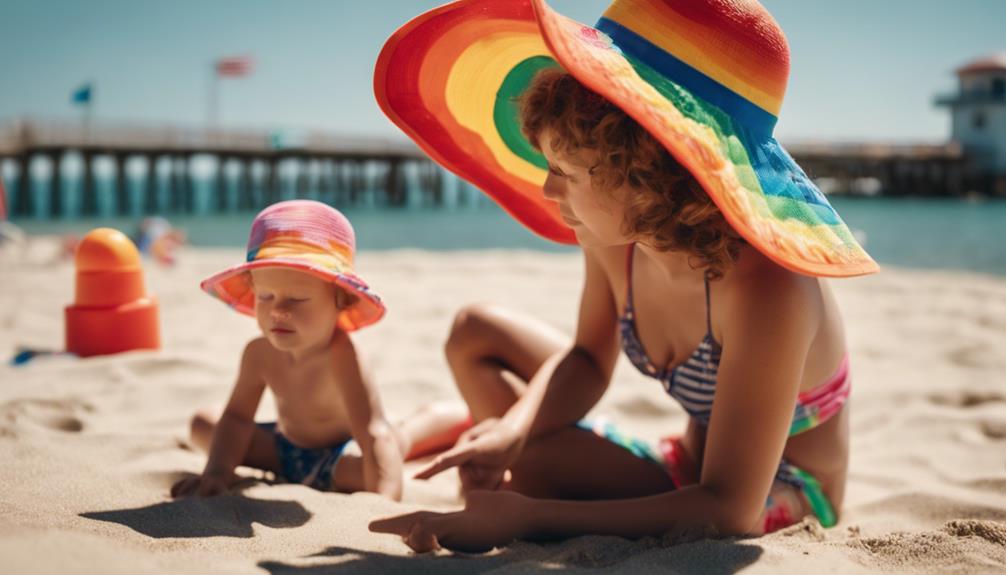

Even short outdoor bursts can expose your child to harmful UV rays, which can cause long-term skin and eye damage. UV rays are present during peak hours and can reflect off surfaces like water, sand, and concrete, increasing exposure. Wearing protective clothing, hats, and sunglasses, along with applying sunscreen frequently, can substantially reduce these risks. To keep your child safe, it’s important to understand how to effectively protect them—stay with us to discover more tips.

Get beauty and skincare favorites delivered free with Prime
- Fast, free delivery on millions of items
- Prime Video, Amazon Music and more included
- Member-only deals all year
Key Takeaways
- UV rays can penetrate clouds and reflect off surfaces, increasing exposure even during brief outdoor periods.
- Short outdoor activities still pose skin and eye damage risks if children aren’t protected.
- Protective clothing and hats provide physical barriers that sunscreen alone cannot offer.
- UV radiation can cause harm quickly, making even quick trips outside potentially risky.
- Combining multiple protection methods ensures comprehensive safety during any outdoor exposure.

Protecting kids from the sun is essential because young skin is especially vulnerable to damage caused by ultraviolet (UV) rays. Many parents believe that short outdoor bursts are safe and don’t require extra precautions, but that’s a common sun safety myth. UV rays can reach your child even during brief periods outside, especially during peak hours between 10 a.m. and 4 p.m. When your child plays outside, the sun’s rays can reflect off surfaces like concrete, sand, or water, increasing their UV exposure. So, even quick trips to the park or quick walks around the block can still pose a risk if you’re not prepared.
Short outdoor time still poses risks; UV rays can reach children even during brief, peak-hour exposures.
One of the most effective ways to protect your child is through protective clothing choices. Light-colored, tightly woven fabrics can block more UV rays than loose or thin materials. Long-sleeved shirts and full-length pants might seem excessive, but they create a physical barrier that shields your child’s skin from harmful rays. A wide-brimmed hat can protect the face, neck, and ears—areas that are often overlooked. Sunglasses with UV protection also play a critical role in safeguarding your child’s eyes from long-term damage. When choosing protective clothing, look for labels indicating UPF (Ultraviolet Protection Factor) ratings, which help you select garments designed to block UV radiation effectively. Additionally, understanding that UV rays can penetrate clouds emphasizes the importance of comprehensive sun protection strategies even on cloudy days. Recognizing that UV rays can reflect off surfaces like water or sand further illustrates why extra precautions are necessary even during brief outdoor activities.
Many parents fall for sun safety myths, such as believing that sunscreen alone is enough or that children don’t need protection on cloudy days. While sunscreen is important, it shouldn’t be your only line of defense. Sunscreen can wear off, especially if your child is sweating or wiping their face, so reapplication is essential. Also, UV rays can penetrate clouds, meaning that overcast days don’t eliminate the risk. Protective clothing, shade, and hats should always accompany sunscreen use for complete coverage. As the market for sun protection products continues to grow, there are now more options tailored specifically for children’s needs, making it easier to find suitable gear.
You might also think that a quick application of SPF 30 or higher sunscreen is sufficient, but that’s not entirely true. You need to apply it generously and regularly, especially after sweating or swimming. Remember, the goal is to reduce your child’s UV exposure as much as possible, not just to meet a minimal requirement. Combining protective clothing choices with shade and sunscreen creates a multi-layered approach that’s far more effective. Moreover, being aware of ultraviolet radiation’s ability to reflect and penetrate surfaces underscores why comprehensive protection is necessary even during brief outdoor activities.
As an affiliate, we earn on qualifying purchases.
Frequently Asked Questions
How Does Sun Exposure Affect a Child’s Skin Long-Term?
Sun exposure can cause long-term damage to your child’s skin, leading to sun damage and premature skin aging. Even brief outdoor periods expose their skin to harmful UV rays, increasing the risk of sunburns and long-lasting damage. This can result in wrinkles, age spots, and increased skin cancer risk later in life. Protect your child’s skin daily with sunscreen, hats, and shade to prevent these long-term effects.
Are Certain Skin Tones More Vulnerable to Sun Damage?
Think of skin tones like different shades of paint—some are more resistant, others more delicate. Lighter skin tones are generally more vulnerable to sun damage due to lower melanin levels, which act as natural protection. Genetic factors influence this vulnerability, making it essential for you to shield all children, regardless of skin tone. Even darker skin can suffer long-term damage, so thorough sun protection is crucial for everyone.
Can Sunscreen Be Used on Babies Under Six Months?
You shouldn’t apply sunscreen to babies under six months old. Instead, focus on baby skincare by keeping them in the shade, dressing them in protective clothing, and avoiding direct sunlight. If you must use sunscreen, choose one with mineral-based ingredients like zinc oxide or titanium dioxide, which are gentler on sensitive skin. Always consult your pediatrician before trying any new products on your baby.
What Are Alternative Sun Protection Methods Besides Sunscreen?
Sure, you can skip sunscreen sometimes and rely on UV protective clothing and shade avoidance. Ironically, these methods might be more effective than slathering on sunscreen, especially for kids who tend to rub it off. Dressing them in UPF-rated clothes and keeping them in the shade during peak hours offers continuous protection without the worry of allergic reactions or reapplication. It’s a smarter way to shield their delicate skin from harmful UV rays.
How Often Should Kids Reapply Sun Protection During Short Outdoor Activities?
You should reapply sunscreen every two hours during short outdoor activities, especially if your kid is sweating or swimming. Keep in mind, sunscreen durability varies by product, so check the label for specific reapplication frequency. If your child is active or exposed to direct sunlight for extended periods, reapply more often. Always encourage reapplication to guarantee continuous protection and reduce the risk of sunburn or skin damage.
Conclusion
Remember, even short outdoor bursts can expose your kids to harmful UV rays. It might seem like a quick trip outside isn’t a big deal, but those few minutes add up. Protecting their skin now helps prevent serious problems later. Think of it as giving your kids a gift of healthy skin for life—no fuss, just smart habits. So, next time you step outside, don’t forget sunscreen and protective clothing; their future self will thank you!
Halloween Picks
halloween
As an affiliate, we earn on qualifying purchases.