Many believe storing sunscreen in hot or humid places automatically damages it, but that’s a myth. While high temperatures can accelerate chemical breakdown, most sunscreens are formulated with packaging that helps protect their effectiveness. Moisture or humidity won’t necessarily ruin your sunscreen if the container remains sealed and intact. To keep your sunscreen at its best, store it in a cool, dry spot and check for changes, but there’s more to discover about proper storage habits.
Key Takeaways
- Proper storage in a cool, dry place preserves sunscreen’s chemical stability and SPF efficacy.
- Extreme temperatures and direct sunlight can accelerate chemical degradation, reducing sunscreen effectiveness.
- Damaged or compromised packaging increases risk of moisture ingress, leading to product breakdown.
- Moisture exposure doesn’t automatically ruin sunscreen if packaging remains sealed and intact.
- Regularly check for changes in texture, smell, or color to ensure sunscreen’s continued effectiveness.

Many people believe that storing sunscreen in hot or humid environments will render it ineffective, but this is a common misconception. While extreme temperatures and moisture can impact some products, properly stored sunscreen generally retains its effectiveness. The key factors that influence sunscreen’s performance are chemical stability and packaging integrity. These elements determine how well the active ingredients in your sunscreen continue to provide protection over time.
Properly stored sunscreen remains effective; key factors are chemical stability and packaging integrity.
Chemical stability refers to how well the active ingredients in sunscreen resist degradation when exposed to various conditions. Many sunscreens are formulated to withstand typical storage environments, but high heat and humidity can accelerate chemical breakdown. When the active ingredients degrade, the sunscreen’s SPF may diminish, offering less protection against UV rays. However, if stored within recommended conditions—away from direct sunlight and excessive heat—the chemical stability remains intact, and the sunscreen stays effective for its labeled shelf life. Always check the expiration date, but also consider storage habits, as poor storage can compromise the chemical stability even before the expiration.
Packaging integrity plays an equally important role. High-quality bottles or tubes are designed to prevent air, moisture, and contaminants from reaching the product. If the packaging is damaged—cracked, leaking, or improperly sealed—these breaches can introduce moisture or bacteria that degrade the formula or reduce its effectiveness. For example, a broken cap or compromised seal can allow humidity to seep in, affecting the chemical stability of the ingredients. Ensuring your sunscreen’s container is intact and tightly sealed helps maintain its protective qualities. When you buy sunscreen, opt for products with durable, well-designed packaging, and store them in a cool, dry place to preserve their integrity. Proper storage conditions, including temperature and sealing, are essential to maintaining product efficacy.
While many believe that hot or humid storage conditions ruin sunscreen, the truth is more nuanced. Proper storage involves keeping your sunscreen in a cool, dry environment, away from direct sunlight, and guaranteeing the packaging remains intact. These practices support the chemical stability of the active ingredients and protect the product’s integrity. If your sunscreen has been exposed to extreme conditions, check for changes in texture, smell, or color before use. Remember, maintaining good storage habits maximizes the product’s lifespan and ensures you get the full SPF protection when you need it most.

Coppertone Sport Sunscreen Spray SPF 50, Sweat, Heat and Water Resistant Sunblock, Lightweight, Oxybenzone Free, Spray Sunscreen Bulk Pack, 5.5 Oz Bottle, Pack of 3 (Packaging May Vary)
EASY TO APPLY: Coppertone Sport spray sunscreen has a continuous sprayer for application on any angle, and is…
As an affiliate, we earn on qualifying purchases.
As an affiliate, we earn on qualifying purchases.
Frequently Asked Questions
Can Sunscreen Expire Before the Date on the Packaging?
Yes, your sunscreen can expire before the date on the packaging. Expiration concerns arise when active ingredients break down, reducing protection. To guarantee effectiveness, follow storage tips like keeping it in a cool, dry place away from sunlight. If your sunscreen has a strange smell, changes in texture, or looks discolored, it’s best to replace it, even if it’s before the expiration date. Proper storage helps maintain its potency longer.
Does Storing Sunscreen in the Car Reduce Its Effectiveness?
Storing sunscreen in your car can make it nearly useless, as the intense heat from car heat causes rapid sunscreen degradation. The extreme temperatures inside a vehicle can break down the active ingredients, reducing its SPF effectiveness considerably. So, if you want reliable sun protection, avoid leaving your sunscreen in the car. Instead, store it in a cool, shaded place to preserve its effectiveness and keep your skin safe.
Are Spray Sunscreens Less Effective Than Lotions?
Spray sunscreens can be just as effective as lotions if you apply them correctly. You need to use enough, cover all areas evenly, and rub them in thoroughly, especially with sprays, to guarantee proper absorption. When it comes to SPF comparison, both forms offer similar protection if you follow proper application techniques. Just be mindful to reapply regularly, especially after sweating or swimming, for maximum sun safety.
How Often Should I Reapply Sunscreen During Outdoor Activities?
Imagine you’re back in the 1960s, feeling the sun’s rays on your skin. During outdoor sun exposure, you should reapply sunscreen every two hours, or more often if you’re sweating or swimming. This reapplication frequency guarantees continuous protection. Don’t forget, even if it’s cloudy or you’re just lounging, reapplying keeps your skin safe from harmful UV rays, so stay vigilant and enjoy your time outside.
Does Wearing Makeup With SPF Replace the Need for Sunscreen?
Wearing makeup with SPF doesn’t substitute the need for sunscreen protection. While makeup SPF offers some defense, it usually isn’t enough on its own, especially if you’re outdoors for extended periods. To stay protected, you should apply a dedicated sunscreen underneath your makeup and reapply it regularly. This ensures you get the full benefits of effective sunscreen protection, which is essential for safeguarding your skin from UV damage.

CroBlissful Sunscreen Bug Spray Storage Basket Blue Summer Wooden Box with 3 Compartments Toilet Tank Tray for Indoor Outdoor Swimming Pool Decor Sunblock Sunglasses Beach Pool Toy Storage Box
Blue Summer Style Pool Decoration: our sunscreen wooden storage box adopts a refreshing blue design, bringing in a…
As an affiliate, we earn on qualifying purchases.
As an affiliate, we earn on qualifying purchases.
Conclusion
Don’t let myths cloud your sunscreen choices like fog on a sunny day. Proper storage is your shield, keeping your sunscreen’s magic potent and ready to defend your skin like a trusty knight. Remember, a well-cared-for bottle is like a loyal companion, always there when the sun’s rays peek out. So, treat your sunscreen with care, and it’ll shine bright, offering you radiant, protected skin—your personal sunlit sanctuary.

Neutrogena Sunscreen Lotion Beach Defense SPF 70, Face & Body Sunscreen, Broad Spectrum, Fast Absorbing, 6.7 Fl Oz, Water Resistant 80 Min, Oil-Free, Oxybenzone & Octinoxate Free
Sunscreen lotion: Broad spectrum SPF 70 shields skin from UVA/UVB rays; water resistant for up to 80 minutes,…
As an affiliate, we earn on qualifying purchases.
As an affiliate, we earn on qualifying purchases.
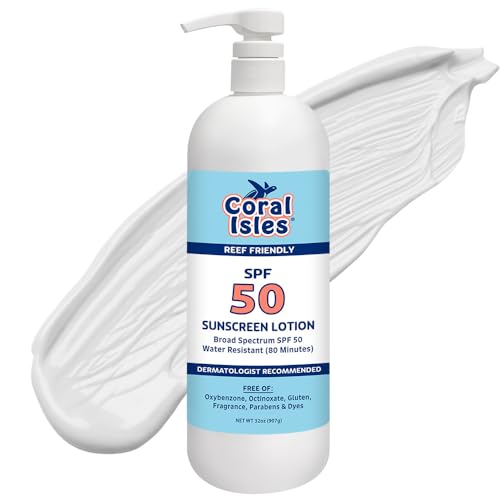
Coral Isles by Rocky Mountain Sunscreen | SPF 50 Lotion | Broad Spectrum UVA/UVB Protection | Hawaii Reef-Safe Act Compliant | Oxybenzone & Octinoxate Free | Water Resistant 80 Min. | 32 Fl Oz
One quart (32 fluid ounce) with pump of Rocky Mountain Sunscreen SPF 50 Lotion. Cost effective bulk size…
As an affiliate, we earn on qualifying purchases.
As an affiliate, we earn on qualifying purchases.