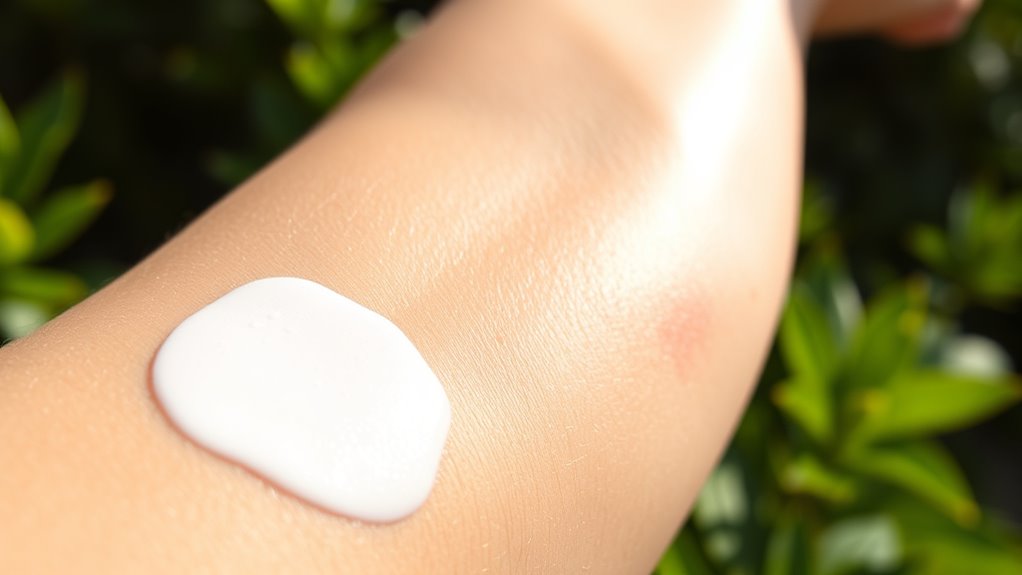

SPF 100 isn’t substantially more effective than SPF 50; it’s mostly a marketing tactic. Both block about 98-99% of UVB rays, so the protection difference is minimal—roughly 1%. Higher SPF numbers can give a false sense of security, but proper application and reapplication are more important. Want to discover why the SPF number alone doesn’t guarantee better protection? Keep exploring to learn the full story.

Get beauty and skincare favorites delivered free with Prime
- Fast, free delivery on millions of items
- Prime Video, Amazon Music and more included
- Member-only deals all year
Key Takeaways
- SPF 100 blocks about 99% of UVB rays, offering only slightly more protection than SPF 50.
- The difference in UVB protection between SPF 50 and SPF 100 is minimal, around 1%.
- Higher SPF formulas often contain more chemical filters, but safety depends on proper application.
- Proper sunscreen application and reapplication are more important than choosing a higher SPF.
- The increased protection from SPF 100 is mostly marketing; correct use of SPF 50 is often sufficient.

Many people believe that SPF 100 sunscreen offers near-absolute protection, but is that really true? When you hear about SPF ratings, it’s easy to assume that higher numbers mean you’re completely shielded from harmful UV rays. However, SPF primarily measures how effectively a sunscreen can block UVB rays, which cause sunburn and contribute to skin damage. It doesn’t necessarily mean you’re getting double the protection of SPF 50 or SPF 30. In fact, the jump from SPF 50 to SPF 100 isn’t as substantial as many think. While SPF 100 does offer more UV protection than lower SPF options, the difference isn’t proportional. SPF 50 blocks about 98% of UVB rays, whereas SPF 100 blocks roughly 99%. That means SPF 100 provides slightly more protection, but it’s not a dramatic leap.
Sunscreen effectiveness depends on several factors, including application habits, reapplication frequency, and coverage. No matter what the SPF number is, if you don’t apply enough sunscreen or reapply it regularly, your UV protection diminishes quickly. Many people underestimate how much sunscreen they need or forget to reapply after swimming, sweating, or towel drying. These behaviors considerably reduce the protective benefits, regardless of the SPF rating. So, even with SPF 100, if you’re not diligent about applying it correctly, you’re not getting the full UV protection you might expect.
Additionally, some formulations with higher SPF may contain more chemical filters, but that doesn’t necessarily mean they’re safer or more effective if not used properly. The key to effective sun protection is consistency and proper application, not just the SPF number on the bottle. Understanding the limitations of SPF is crucial to making informed choices about sun safety and skin health.
As an affiliate, we earn on qualifying purchases.
Frequently Asked Questions
Does SPF 100 Provide Double the Protection of SPF 50?
SPF 100 doesn’t exactly provide double the sun protection of SPF 50. While it filters out more UV rays, the difference isn’t proportional because no sunscreen blocks 100% of sun damage. Sun protection depends on applying enough product and reapplying regularly. For effective sun protection, choose a broad-spectrum sunscreen, apply generously, and take precautions like seeking shade, as even high SPF products can’t prevent all sun damage.
Can SPF 100 Prevent All Types of Sun Damage?
SPF 100 offers higher sun protection, but it can’t prevent all skin damage. You might think it blocks all UV rays, but no sunscreen can fully block UVA and UVB rays. For ideal sun protection, you should combine SPF 100 with other measures like seeking shade, wearing protective clothing, and avoiding peak sun hours. Relying solely on high SPF gives a false sense of security and might not fully prevent skin damage.
Is SPF 100 Necessary for Everyday Urban Use?
You might wonder if SPF 100 is necessary for daily urban sun protection. While a high SPF offers stronger sun protection, most daily activities expose you to only moderate UV levels. A good sunscreen formulation with broad-spectrum coverage and regular reapplication can effectively shield your skin. For everyday urban use, SPF 30 to 50 often suffices, but if you have sensitive skin or plan outdoor activities, SPF 100 can provide extra reassurance.
How Often Should SPF 100 Sunscreen Be Reapplied?
You should reapply SPF 100 sunscreen every two hours to maintain maximum protection, especially if you’re outdoors or sweating. Reapplication frequency is key to ensuring sunscreen longevity, as factors like water, towel drying, and environmental exposure can reduce its effectiveness. Even high-SPF sunscreens don’t last all day, so don’t skip reapplying to keep your skin safe from harmful UV rays.
Are Higher SPF Products More Suitable for Sensitive Skin?
Think higher SPF products are better for sensitive skin? Not necessarily. While they offer more sun protection, they can also contain ingredients that irritate delicate skin. If you have sensitive skin, look for sunscreens labeled “hypoallergenic” or “for sensitive skin.” These formulas focus on gentle sun protection without harsh chemicals, reducing the risk of reactions. Remember, the best sun protection depends on your skin’s specific needs, not just the SPF number.
Conclusion
So, is SPF 100 just a marketing ploy? Not entirely. While it might seem like a magic shield, it’s important to remember that no sunscreen offers 100% protection. Think of SPF 100 as a fortress, but even the strongest walls can be breached if you don’t reapply or seek shade. Don’t be dazzled by numbers alone—use broad-spectrum sunscreen properly, and your skin’s defenses will be as mighty as a fortress under siege.
Halloween Picks
halloween
As an affiliate, we earn on qualifying purchases.