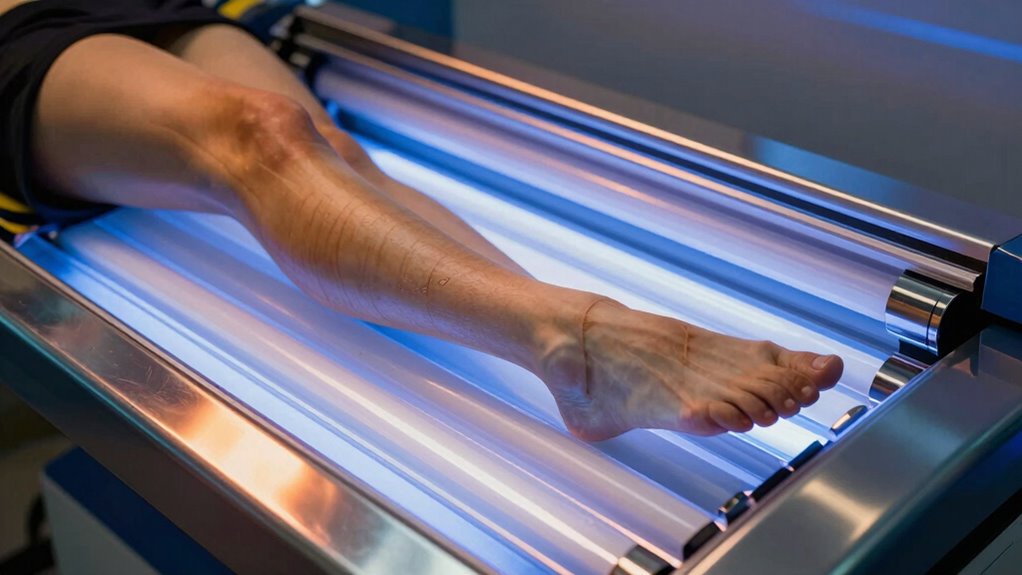

Indoor tanning isn’t a safe shortcut to a glow because it exposes your skin to concentrated UV rays that can damage DNA and markedly increase your risk of skin cancer, including melanoma. It accelerates skin aging, causing wrinkles, age spots, and loss of elasticity over time. Many believe tanning beds are safer or controllable, but the risks are higher than natural sunlight. To learn how safer options protect your skin, keep exploring this important topic.

Get beauty and skincare favorites delivered free — and shop member deals
- Fast, free delivery on millions of items
- Access to Prime Big Deal Days deals on October 6–7
- Prime Video, Amazon Music and more included
Key Takeaways
- Indoor tanning exposes skin to concentrated UV rays that can cause DNA damage, increasing skin cancer risk.
- Tanning beds emit UV radiation that is more intense than natural sunlight, making safe color impossible.
- Any tan from indoor tanning is a sign of skin damage, not a healthy or safe way to achieve color.
- Long-term use of tanning beds accelerates skin aging and leads to age spots and loss of elasticity.
- Safer alternatives like self-tanners provide a natural glow without damaging the skin.

Have you ever wondered about the safety of indoor tanning? Many people see it as a quick way to get that sun-kissed glow, but the truth is, indoor tanning isn’t a safe shortcut to a beautiful tan. When you step into a tanning bed, you expose your skin to intense UV radiation, which can cause serious skin damage over time. Unlike natural sunlight, which provides a mix of UV rays, tanning beds emit concentrated ultraviolet light that penetrates deeper into your skin. This increased exposure accelerates the aging process and raises your risk of skin cancer, including melanoma, basal cell, and squamous cell carcinomas.
Indoor tanning exposes skin to concentrated UV rays, increasing aging and skin cancer risks.
You might think that a tan makes you look healthier or more attractive, but it’s actually a sign of skin damage. The UV radiation from tanning beds damages the DNA in your skin cells, leading to premature wrinkles, age spots, and loss of elasticity. The more often you tan indoors, the more harm you’re doing to your skin’s structure. Each session adds to the cumulative damage, which might not be immediately visible but can have long-lasting effects. Some people believe that indoor tanning is safer than sunbathing outside because they can control the exposure, but that’s a misconception. The intensity and frequency of UV radiation from tanning beds often surpass natural sunlight, making the risk even higher.
It’s tempting to think that tanning helps you avoid the uneven, patchy results of sun exposure or that it’s a controlled environment. However, the risks are real, and the safety claims are misleading. The American Academy of Dermatology and other health organizations warn against indoor tanning entirely, emphasizing that no tan is truly safe. The discomfort of a sunburn from overexposure is just one warning sign; the real danger lies in the long-term skin damage that accumulates silently. Additionally, many people are unaware that UV radiation exposure from tanning beds can be more intense than natural sunlight, further increasing health risks.
Instead of risking your skin’s health, consider safer alternatives. Self-tanning lotions, sprays, or bronzers can give you a natural-looking glow without UV radiation. These options don’t cause skin damage or increase your risk for skin cancer. Protecting your skin now preserves its health and appearance for years to come. Remember, a healthy, natural glow comes from good skincare and sun-safe habits—not from risking your skin’s future with indoor tanning.
As an affiliate, we earn on qualifying purchases.
Frequently Asked Questions
Can Indoor Tanning Help Prevent Skin Cancer?
Indoor tanning doesn’t help prevent skin cancer. Instead, it exposes you to UV rays, increasing your risk. Sunless options like spray tans or self-tanning lotions offer safe alternatives without UV exposure. These methods give you a tan without the harmful effects of indoor tanning beds, which can damage your skin and raise your chances of developing skin cancer. Choose sunless options for a safer, healthier glow.
Are There Any Safe Alternatives to Indoor Tanning?
Yes, there are safe alternatives to indoor tanning. You can enjoy natural sunlight responsibly by limiting your exposure during peak hours and using sunscreen. Alternatively, try spray tanning, which provides a tan without UV damage. Both options give you a sun-kissed look without the health risks associated with indoor tanning, helping you achieve your desired color safely and effectively.
How Does Indoor Tanning Affect Skin Aging?
Indoor tanning accelerates skin aging, and a striking 80% of visible skin aging signs are caused by UV exposure. You weaken your skin’s elasticity and promote collagen breakdown, leading to sagging and wrinkles. UV rays damage your skin’s structure, making it age faster than natural sunlight. Avoid indoor tanning to protect your skin’s youthful appearance, and instead, opt for safer ways to achieve a glow that won’t compromise your skin’s health.
Is There Any Way to Tan Safely Indoors?
There’s no completely safe way to tan indoors, but sunless tanning products offer a safer alternative. They provide color without UV exposure, reducing skin damage and aging risks. To protect your skin, always follow product instructions and moisturize afterward. Incorporate skin protection by using broad-spectrum sunscreen outside, and consider sunless tanning for a bronzed look without the health hazards associated with indoor tanning beds.
What Are the Long-Term Health Risks of Indoor Tanning?
Indoor tanning is like planting a false seed in your garden. While it might boost skin pigmentation temporarily, it increases your risk of skin cancer over time. The UV rays can damage your skin, even if you’re seeking a quick Vitamin D fix. Long-term, it raises your chances of melanoma and premature aging. Protect your health by avoiding indoor tanning and embracing natural, safe ways to achieve a healthy glow.
Conclusion
Remember, every visit to the tanning bed is like inviting a silent thief into your skin, stealing your natural glow and health with each burst of UV. Instead of chasing an artificial golden hue, imagine basking in the warm sunlight of a park or feeling the gentle kiss of the breeze during a walk. Choose safe, natural ways to glow—your skin’s future self will thank you as you stand in the sunlight, radiant and healthy.
Evergreen bestsellers Picks
bestsellers
As an affiliate, we earn on qualifying purchases.