You can’t skip SPF on cloudy days because UV rays can penetrate clouds and still harm your skin. Even when it looks overcast, up to 80% of UV radiation can reach you, increasing your risk of burns and long-term damage. Clouds don’t fully block UV rays, and reflection off surfaces like water and snow can add to your exposure. Keep protecting your skin every day—if you want to stay healthy, there’s more to learn below.
Open a free Amazon Business account
Business pricing, bulk buying and tax-exempt orders.
As an affiliate, we earn on qualifying purchases.
Key Takeaways
- UV rays can penetrate clouds, making sun protection necessary even on overcast days.
- Up to 80% of UV radiation can reach your skin through cloud cover.
- Clouds do not fully block UV rays; gaps and thin clouds still allow exposure.
- Relying on visible clouds to gauge UV risk is a common misconception.
- Applying broad-spectrum sunscreen daily is essential, regardless of weather conditions.

Many people believe that sunscreen isn’t necessary on cloudy days, but this is a common myth. The truth is, UV rays can penetrate through cloud coverage effects, making sun protection just as important when the sky isn’t clear. UV penetration isn’t fully blocked by clouds; rather, it filters through in varying degrees depending on the thickness and type of cloud cover. Even on overcast days, up to 80% of UV rays can reach your skin, increasing your risk of sun damage. This means that the sun’s harmful rays aren’t just a concern under direct sunlight — they can sneak through clouds and cause harm without you realizing it.
UV rays penetrate clouds; sun protection is essential even on overcast days.
Cloud coverage effects can be deceiving. You might notice a cloudy sky and assume you’re protected from UV exposure, but that’s a misconception. Thin or scattered clouds often allow a significant amount of UV radiation to pass through, especially UVB rays that are responsible for sunburns. Conversely, thick, dense clouds do block more UV rays, but even then, some ultraviolet radiation can still filter through the gaps. This unpredictable nature of cloud coverage effects makes it difficult to gauge your actual level of protection just by looking at the sky. It’s a common mistake to think that overcast weather equals safety, but UV rays can still harm your skin and increase your risk of skin cancer over time.
Understanding UV penetration is key to protecting yourself properly. You need to realize that UV radiation is invisible and can penetrate through clouds just as easily as it can through clear skies. That’s why applying broad-spectrum sunscreen daily is essential, regardless of the weather forecast. The SPF you use is designed to shield your skin from both UVA and UVB rays, which are responsible for skin aging, burns, and long-term damage. When you skip sunscreen on cloudy days, you leave your skin vulnerable to these invisible threats, which can accumulate over time and lead to serious health concerns. Additionally, UV rays can reflect off surfaces like water, sand, and snow, further increasing exposure even in cloudy conditions.
In essence, relying solely on the sun’s brightness to determine whether you need SPF is a mistake. Cloud coverage effects don’t negate the need for protection—they complicate it. The best approach is to treat every day as a potential exposure to UV rays and wear your sunscreen consistently. By doing so, you ensure you’re safeguarding your skin against the hidden dangers of UV penetration, regardless of the weather outside. Remember, protecting your skin today helps you maintain healthier skin and reduces your risk of skin-related issues tomorrow.
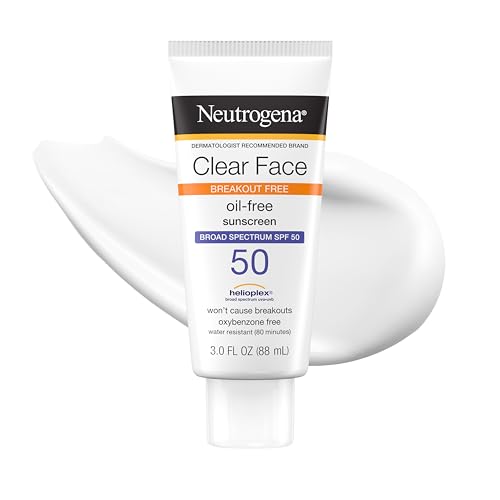
Neutrogena Clear Face Sunscreen Lotion SPF 50, 3 fl. oz
- Acne-Prone Skin Formula: Broad spectrum SPF 50 protection
- Lightweight and Oil-Free: Quick-absorbing, breathable texture
- Non-Comedogenic: Won't clog pores or cause breakouts
As an affiliate, we earn on qualifying purchases.
As an affiliate, we earn on qualifying purchases.
Frequently Asked Questions
Does SPF Protection Vary With Different Cloud Types?
Cloud cover doesn’t substantially change your SPF protection needs because UV rays can penetrate through clouds. Different cloud types, especially thick or reflective ones like cumulus or stratus, can increase UV reflection, intensifying exposure. You should still wear SPF regardless of cloud cover, as UV rays can reach your skin even on overcast days. Protecting your skin from UV reflection is just as important when it’s cloudy.
How Does UV Radiation Penetrate Thick Clouds?
Like a vintage radio signal, UV radiation can penetrate thick clouds more than you might think. Cloud penetration depends on cloud density and type, influencing UV transmittance. Even on cloudy days, significant UV rays pass through, increasing your risk of skin damage. Keep applying SPF daily, regardless of cloud cover, because UV radiation isn’t fully blocked by thick clouds. Don’t rely on clouds alone for protection; your skin still needs safeguarding.
Can Reflective Surfaces Increase UV Exposure on Cloudy Days?
Reflective surfaces can definitely increase UV exposure on cloudy days through UV amplification. When you’re near water, sand, or snow, these surfaces bounce UV rays onto your skin, even if the sky looks overcast. So, you should still wear SPF and protective clothing, as UV rays can penetrate clouds and reflect off surfaces. Don’t assume cloudy days mean less risk—these surfaces can markedly boost your UV exposure.
What SPF Level Is Recommended for Overcast Weather?
On overcast days, you should use at least SPF 30 to guarantee proper sun safety. UV intensity can still penetrate clouds, so don’t skip sunscreen. Apply generously and reapply every two hours, especially if you’re outdoors for extended periods. Reflective surfaces can increase UV exposure, so taking precautions is essential. Remember, cloudy weather doesn’t mean you’re completely protected from harmful UV rays—stay vigilant and prioritize your skin’s health.
Do Cloudy Days Affect the Longevity of Sunscreen?
Cloud cover impact can reduce your sunscreen’s efficacy, but it doesn’t eliminate the need for reapplication. On cloudy days, UV rays still penetrate, breaking down the sunscreen faster and decreasing its longevity. To protect your skin, you should reapply sunscreen every two hours, especially if you’re outdoors. Even if it’s overcast, the sun’s UV rays can still cause damage, so don’t skip your SPF routine.
Conclusion
So, next time you see clouds rolling in, remember: they’re just celestial cover-ups, not SPF-free zones. Skipping sunscreen on cloudy days is like leaving your umbrella at home and hoping for the best—sure to backfire. Don’t fall for the myth that clouds shield you from UV rays; your skin’s future self will thank you for sticking with SPF, even when the sun’s hiding behind the clouds. After all, UV rays have a knack for sneaking past clouds, just like bad fashion choices sneak into photos.
College move-in / dorm season Picks
dorm essentials
As an affiliate, we earn on qualifying purchases.