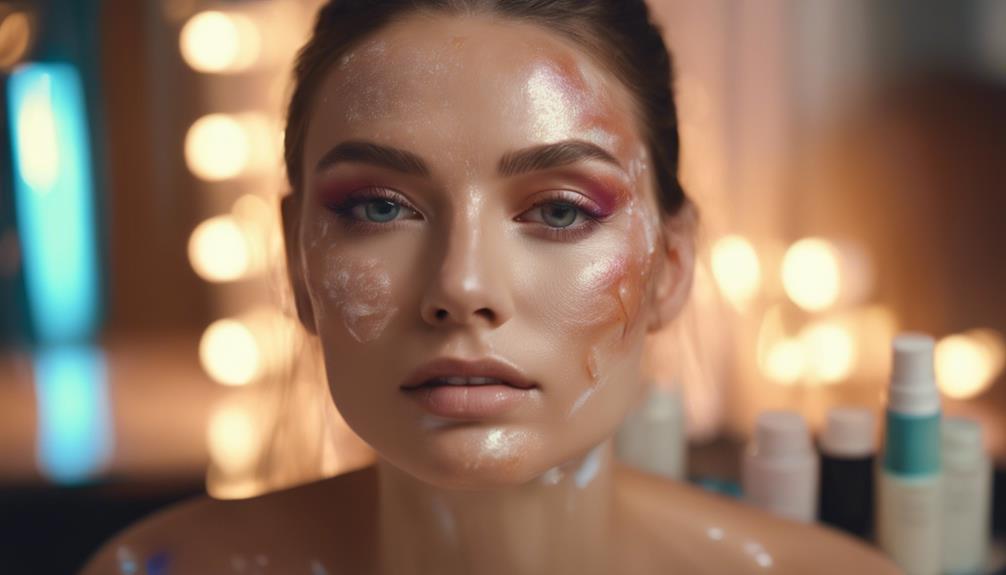

Tanning may give your skin a bronzed look and seem attractive, but it actually signals damage rather than good health. When you tan, your skin produces more melanin in response to UV rays, which is a defense mechanism, not a sign of robustness. Over time, this damage accumulates, leading to premature aging, wrinkles, and even skin conditions like melanoma. To protect your skin’s health, it’s better to understand the true effects and how to prevent harm. Keep going to learn more.

Get beauty and skincare favorites delivered free — and shop member deals
- Fast, free delivery on millions of items
- Access to Prime Big Deal Days deals on October 6–7
- Prime Video, Amazon Music and more included
Key Takeaways
- Tanning results from UV-induced skin injury, not a sign of healthy or youthful skin.
- UV exposure damages DNA and accelerates skin aging, leading to wrinkles and age spots.
- A tan is a protective response, indicating ongoing skin injury rather than health.
- Repeated UV damage increases risks of skin conditions like melanoma and other long-term effects.
- Protecting skin from UV rays maintains health and prevents premature aging, unlike tanning.
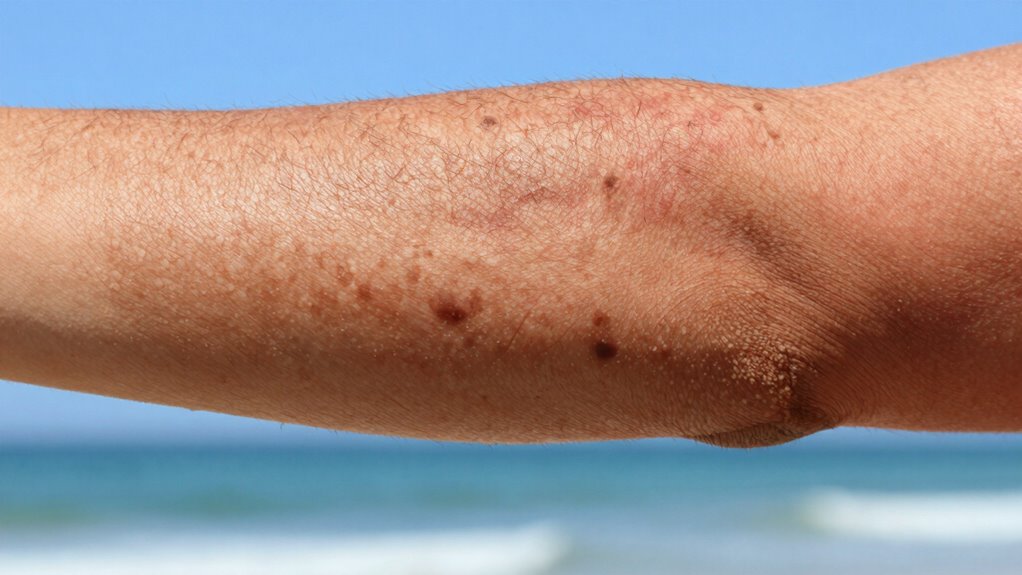
Have you ever thought that a bronzed glow might be a sign of healthy skin? Many people believe that tanning makes their skin look vibrant and attractive, but the reality is quite different. When you indulge in tanning, whether in the sun or using tanning beds, you’re exposing your skin to harmful ultraviolet (UV) rays. This UV exposure doesn’t just darken your skin temporarily; it causes damage at a cellular level that can accelerate skin aging and increase your risk of skin cancer. The initial allure of a golden hue can lead you to overlook the long-term consequences lurking beneath the surface.
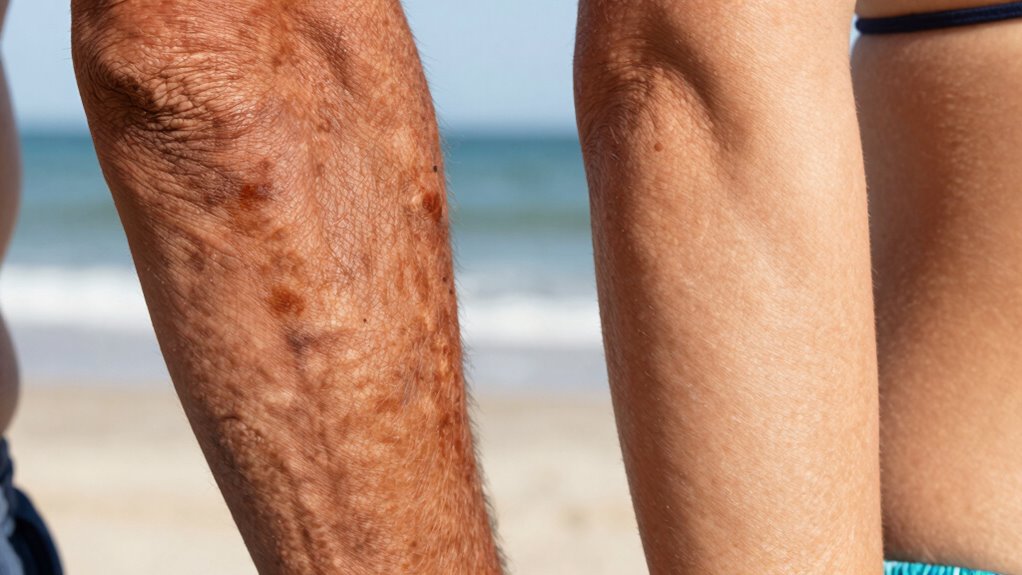
Every time you expose your skin to UV rays, you’re damaging the DNA in your skin cells. Over time, this damage accumulates and contributes to premature skin aging. Fine lines, wrinkles, age spots, and loss of skin elasticity are all signs that your skin has been affected by repeated UV exposure. What may seem like a quick tan now can translate into years of visible aging later. This process isn’t just about looks; it’s about your skin’s health and its ability to repair itself. The more UV exposure you endure, the more your skin’s natural regenerative processes struggle to keep up, leading to a dull, less resilient appearance. Additionally, UV damage can impair the color accuracy of your skin, making it look uneven or dull over time.
Repeated UV exposure damages skin DNA, accelerating aging and reducing resilience over time.
It’s important to understand that a tan is not an indicator of healthy skin. Instead, it’s a sign that your skin has been injured and is trying to protect itself. When your skin darkens, it’s producing more melanin in response to UV damage, but this is a defense mechanism, not a mark of health. Over time, this repeated injury can cause irreversible changes to your skin’s structure, increasing the likelihood of developing skin conditions, including melanoma. So, that “healthy-looking” tan is actually your skin’s way of signaling distress. Moreover, the damage caused by UV rays accumulates silently, often without immediate visible signs, further emphasizing the importance of preventative measures. Recognizing that UV exposure is a key factor in skin aging can motivate you to adopt more protective habits.
Rather than chasing a tanning routine, focus on protecting your skin. Use broad-spectrum sunscreens, wear protective clothing, and seek shade during peak sunlight hours. These habits help prevent UV exposure and preserve your skin’s youthfulness. Remember, true skin health isn’t about the color of your skin but about its strength, elasticity, and resilience. A bronzed glow might seem appealing, but it’s not worth sacrificing your skin’s long-term health. Instead, embrace your natural skin tone and adopt habits that keep your skin looking and feeling healthy for years to come.
As an affiliate, we earn on qualifying purchases.
Frequently Asked Questions
Can Tanning Beds Be Safer Than Sun Exposure?
Indoor tanning isn’t safer than sun exposure because it still exposes you to UV radiation, which can damage your skin and increase cancer risk. While indoor tanning might give you more control over skin pigmentation, it doesn’t eliminate harmful effects. UV rays from tanning beds penetrate deeply, just like the sun, causing premature aging and skin damage. So, it’s best to avoid both for healthier skin.
Does Natural Skin Color Affect Tanning Risks?
Your natural skin color considerably affects your tanning risks. People with lighter skin, which has less melanin, face higher risks because they’re less protected from UV rays. Conversely, those with darker skin and more pigmentation have a lower risk of damage, but they’re not immune. Your genetic predisposition influences how your skin responds to UV exposure, so understanding your skin type helps you make safer choices when tanning.
Are There Safe Ways to Achieve a Tan?
There are safer ways to achieve a tan, like sunless tanning products that use DHA to darken your skin temporarily. These options avoid UV exposure, reducing skin damage and cancer risks. While skin pigmentation naturally influences how your skin reacts to UV, opting for sunless methods allows you to enjoy a tanned look without harming your skin. Always follow product instructions for the best, safest results.
How Does Tanning Impact Skin Aging?
Tanning, like a fleeting sunset, accelerates skin aging. It harms your skin’s elasticity and speeds up collagen breakdown, leaving your skin less resilient over time. The more you tan, the more you trade youthful firmness for wrinkles and sagging. This temporary glow comes at the cost of your skin’s long-term health, making it lose its natural elasticity and vibrancy much faster than you might realize.
Is Tanning Beneficial for Vitamin D Production?
Tanning can temporarily boost vitamin D synthesis, but it’s not a reliable or safe method. Many tanning myths suggest you need prolonged exposure, but overexposure increases skin damage and cancer risks. You can get enough vitamin D through limited sun exposure, diet, or supplements without risking skin health. Focus on safe ways to maintain ideal vitamin D levels instead of relying on tanning, which harms your skin long-term.
Conclusion
So, even if a tan looks good, it doesn’t mean your skin’s healthy. Don’t be fooled into thinking UV exposure is harmless—it’s actually damaging your skin at a cellular level. You might think a little sun feels good, but the risks outweigh the temporary glow. Instead, protect your skin with sunscreen and embrace your natural tone. Remember, true skin health isn’t about looking tan, it’s about keeping your skin strong and youthful for years to come.
Fall Picks
fall essentials
As an affiliate, we earn on qualifying purchases.