TL;DR
Several beauty products originally launched in the 1970s and 1980s have never been discontinued and are still available in stores. This revival reflects a growing nostalgia trend, though the full scope of these products’ availability and popularity remains unclear.
Several beauty products from the 1970s and 1980s remain available on store shelves today, surprising consumers and sparking renewed interest in nostalgic skincare and makeup items. These longstanding products, some of which have become cultural icons, are now experiencing a resurgence in popularity amid a broader trend of vintage and retro beauty revival.

Get beauty and skincare favorites delivered free with Prime
- Fast, free delivery on millions of items
- Prime Video, Amazon Music and more included
- Member-only deals all year
While many brands frequently update or retire product lines, a select number of iconic items from the 1970s and 1980s have persisted without interruption. These include classic skincare products, makeup staples, and fragrances that have maintained their original formulations or been minimally reformulated. Industry insiders confirm that these products are still being produced and sold by their original or legacy brands.
Search interest in these vintage items has spiked in recent months, according to online trend monitoring tools, though the exact scope of their availability varies by retailer and region. Some of these products have become sought-after collectibles, while others are marketed as part of nostalgic campaigns targeting consumers who grew up with them. Experts note that the enduring shelf presence of these items is unusual in an industry characterized by frequent reformulations and product churn.
Why Vintage Beauty Products Are Making a Comeback
This phenomenon highlights a broader cultural shift where consumers seek authenticity and nostalgia, especially in beauty and personal care. The continued availability of these products offers a tangible link to past decades and reflects a desire for simplicity and familiarity amid a rapidly changing market. For brands, it presents an opportunity to leverage nostalgia as a marketing tool, potentially boosting sales and brand loyalty among older and younger consumers alike.
Products Worth Considering

Fitbit Charge 6 Activity Tracker – Obsidian/Black
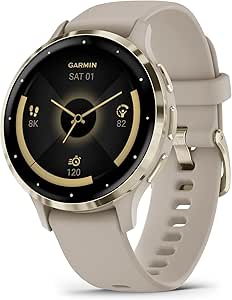
Garmin Venu 3S GPS Fitness Smartwatch, 41 mm, French Gray

Oura Ring 5 Smart Ring, Silver, Size 7
As an affiliate, we earn on qualifying purchases.
Historical Roots of These Enduring Beauty Items
Many of these products originated in the 1970s and 1980s, a period marked by bold makeup styles, innovative skincare formulations, and iconic fragrances. During those decades, several brands launched products that became cultural staples—some of which have persisted through decades of reformulation, branding changes, and market shifts. The trend of maintaining certain products on shelves is partly driven by consumer demand for authenticity and the emotional connection to these items.
Recent coverage and social media attention have revived interest, with users sharing childhood memories and vintage beauty routines. Industry analysts suggest that the current nostalgia wave is amplifying awareness of these long-standing products, even as many newer formulations have replaced original versions.
Extent of Availability and Consumer Demand
It is not yet clear exactly how widespread the availability of these vintage products is across different markets. Retailers vary in their stock of these items, and some formulations may have been reformulated or discontinued in certain regions. Consumer demand appears to be growing, but quantitative data on sales or market share remains unavailable. Additionally, the longevity of these products’ shelf presence is uncertain, especially as companies update their product lines.
Future Trends in Vintage Beauty Product Revival
Market analysts expect continued interest in nostalgic beauty products, potentially leading to more brands reissuing or promoting vintage formulations. Retailers may increase their stock of these items or create special collections targeting nostalgic consumers. Further research and sales data will clarify how sustainable this trend is and whether it will influence broader industry practices regarding product longevity and reformulation.
Key Questions
Which specific beauty products from the ’70s and ’80s are still available today?
Some examples include classic skincare items like oil-based cleansers, certain lipstick shades, and iconic fragrances that originated in those decades. Exact product availability varies by retailer and region.
Why have these products remained on shelves for so long?
Many of these items have maintained their popularity due to brand loyalty, perceived quality, and nostalgic appeal. Some have become cultural icons, ensuring continued demand.
Are these vintage products reformulated or unchanged?
Some products have been reformulated over the years, but many retain their original ingredients or closely resemble their original formulations, depending on brand policies and regulations.
Is this trend driven by consumer nostalgia or industry marketing?
Both factors play a role. Consumers’ nostalgia fuels demand, while brands leverage this sentiment through targeted marketing campaigns and limited-edition releases.
Will more vintage products be reintroduced or reissued?
It is possible, especially if consumer interest continues to grow. Industry insiders suggest that brands may explore reissues or retro-inspired lines to capitalize on this trend.
Source: rss