
TL;DR
Self-tanning lotions are safe and easy when you exfoliate, apply evenly, and choose the right product. Recent innovations make it simpler to get a natural, streak-free glow that lasts several days.
Imagine a sun-kissed glow without the UV damage. That’s what self-tanning lotions promise—an easy way to warm up your skin in minutes. But for beginners, the process can feel intimidating—streaks, uneven color, or staining can seem like hurdles. You’re about to learn how to make your first self-tan smooth, safe, and naturally gorgeous.
This guide breaks down everything you need to know, from choosing the right product to perfect application techniques. Get ready to glow confidently, with tips rooted in real experience and latest innovations.
Always exfoliate and moisturize dry patches before applying to avoid streaks.
Use a tanning mitt or gloves to apply lotion smoothly and prevent staining your palms.
Start with a light layer—build color gradually to achieve your desired shade.
Wait at least 4-6 hours before showering to allow the tan to develop fully.
Hydrate daily and reapply lightly to extend your tan’s lifespan.
What Are Self-Tanning Lotions and How Do They Work?
Self-tanning lotions contain **dihydroxyacetone (DHA)**, a colorless agent that reacts with the outermost skin cells, specifically the keratin proteins. This chemical reaction results in a browning effect that mimics a natural tan, typically within 2-4 hours. The significance of this process is that it provides a temporary change in skin color without UV exposure, reducing the risk of skin damage. However, because DHA interacts only with the surface layer, the tan can fade as skin renews itself, usually within 5-7 days. The reaction’s depth and duration depend on your skin’s natural cell turnover rate and the concentration of DHA in the product.
Think of it like a temporary tattoo—reacting with the surface cells to produce a natural-looking color. The final shade depends on your skin type, with lighter skin tones producing softer hues and darker skin tones yielding richer tans. The recent formulas often include skin-nourishing ingredients like aloe vera and vitamin E, which help mitigate dryness and irritation, common concerns with DHA-based products. Tinted formulas act as guides, helping you see where you’ve applied, which is crucial for avoiding uneven patches or streaks. Choosing the right product and understanding how DHA interacts with your skin can make a significant difference in achieving a smooth, natural-looking tan that complements your skin tone and lasts appropriately.
best self-tanning lotions for beginners
As an affiliate, we earn on qualifying purchases.
As an affiliate, we earn on qualifying purchases.
How to Prepare Your Skin for a Flawless Self-Tan
Preparation is essential because the quality and longevity of your tan depend heavily on the condition of your skin. Exfoliation removes dead skin cells, which can cause uneven absorption and lead to streaks or patchiness. When you scrub, especially on dry areas like elbows, knees, and ankles, you create a smoother canvas that promotes even color development. The tradeoff here is that over-exfoliating can make skin sensitive or dry, so gentle scrubs are preferable. Moisturizing dry patches afterward ensures these areas don’t absorb excess product, which can result in darker spots or uneven color. For instance, applying a light layer of moisturizer on joints helps prevent them from appearing overly dark or blotchy because these areas tend to have thicker, drier skin that absorbs more DHA.
Ensuring your skin is clean and dry before application is critical because residual moisture or oils act as barriers, preventing the DHA from reacting properly. This can cause streaks or uneven fading. Using gloves or a tanning mitt is recommended not just for stain prevention but also for controlling application, especially on hard-to-reach areas. The implication of proper prep is that it reduces the need for corrections and touch-ups later, saving time and frustration. In essence, your skin’s condition sets the foundation for a uniform, natural-looking tan that enhances your appearance without the need for extensive corrections.
self-tanning mitt for smooth application
As an affiliate, we earn on qualifying purchases.
As an affiliate, we earn on qualifying purchases.
Choosing the Right Self-Tanner for Beginners
Picking the right product sets the stage for success. For beginners, **lotions** are usually the easiest to control because their thicker consistency allows for more precise application and reduces the risk of overspreading. The shade options—light, medium, or dark—should be selected based on your natural skin tone and the intensity of tan you desire. Opting for a shade too dark initially can be overwhelming and difficult to blend, especially for novices. Considering your skin type is also crucial: sensitive skin benefits from hypoallergenic, fragrance-free formulas that minimize irritation. Organic or plant-based products often contain fewer synthetic chemicals, reducing the risk of adverse reactions and supporting skin health.
The comparison table helps clarify options, but understanding tradeoffs is key. For instance, mousse formulas dry faster and are easier to blend but may be less forgiving if over-applied. Sprays offer quick coverage but require careful control to avoid uneven spots. Reputable brands with good reviews tend to have more consistent formulations, reducing surprises. The inclusion of tinted formulas acts as a visual guide, which is invaluable for beginners—helping them see where they’ve applied and ensuring even coverage. This insight into product choice underscores that selecting the right self-tanner isn’t just about appearance but also about ease of use, safety, and confidence in application.
exfoliating scrub for self-tanner prep
As an affiliate, we earn on qualifying purchases.
As an affiliate, we earn on qualifying purchases.
Step-by-Step: Applying Self-Tanner Without Mistakes
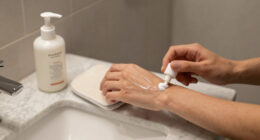
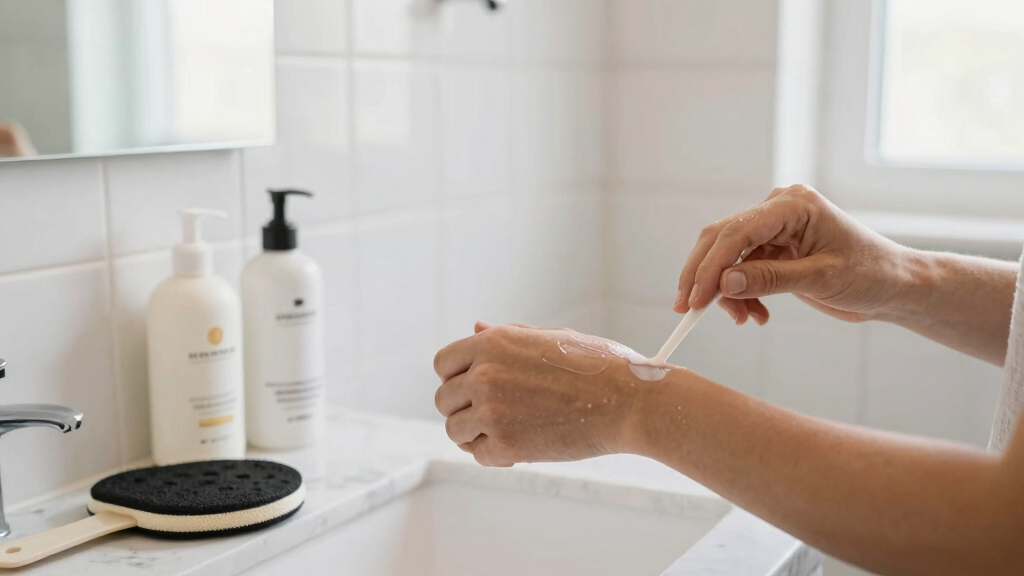
Applying self-tanner can seem daunting initially, but understanding the rationale behind each step makes the process more manageable and less error-prone. Starting with dry, exfoliated skin ensures the product adheres evenly and reduces the risk of streaks caused by residual oils or dead cells. Wearing gloves or a mitt isn’t just about staining; it also provides a barrier that helps distribute the lotion smoothly, preventing uneven patches or over-application on certain areas. Applying a small amount of lotion onto the mitt and working from the ankles upward allows for controlled, even coverage. Focusing on blending around joints and dry patches ensures those areas don’t appear darker or uneven, which is a common mistake that undermines a natural look. Washing hands immediately after prevents staining of the palms—a notorious challenge for beginners.
Allowing at least 10 minutes for the product to dry before dressing minimizes transfer and smudging. Waiting 4-6 hours before showering ensures the DHA has fully reacted with your skin, resulting in a more natural and longer-lasting tan. The process’s success hinges on understanding that patience and careful application lead to a flawless finish. Checking missed spots or streaks with a mirror while the product is still wet allows for quick correction, avoiding the need to reapply or fix uneven patches later. This detailed approach emphasizes that the key to a successful self-tan is consistency and attentiveness, which are learnable skills that become easier with practice.
moisturizing lotion for self-tan maintenance
As an affiliate, we earn on qualifying purchases.
As an affiliate, we earn on qualifying purchases.
How to Make Your Tan Last Longer and Look Fresh
Once you’ve achieved your desired glow, maintaining it requires understanding how skin renewal and external factors influence the tan’s longevity. Hydration plays a pivotal role—moisturizing daily with a lightweight lotion creates a barrier that helps lock in color and prevents premature fading. Think of your skin as a living, dynamic surface; keeping it well-hydrated supports cell health and prolongs the tan’s vibrancy. Conversely, excessive exfoliation or harsh scrubs remove the superficial layer of skin, taking the tan with it. Therefore, gentle cleansing and avoiding abrasive products help maintain the glow longer. Reapplying a light layer of self-tanner every few days can refresh the color, especially if fading begins unevenly or prematurely. This process isn’t about overdoing it but about building on your initial effort to sustain a natural, even tone.
Hot showers, long baths, and harsh soaps strip away the DHA-induced pigment faster by dissolving the superficial skin layer. Cooler water, combined with moisturizer, helps preserve the tan and keeps your skin soft and supple. The tradeoff here is balancing maintenance with skin health—over-reapplication can lead to a darker, unnatural look, while too little can cause uneven fading. Understanding these factors empowers you to tailor your routine, ensuring your tan remains radiant and natural-looking for as long as possible. Ultimately, the goal is to treat your skin gently and support its natural renewal process while maintaining the color you worked hard to achieve.
The Latest Innovations Making Self-Tanning Easier
Recent years have seen exciting changes in self-tanning products that are transforming the user experience. Many formulations now include **skin-nourishing ingredients** like aloe vera, hyaluronic acid, and vitamin E, which help counteract common issues such as dryness, irritation, or uneven fading. These enhancements mean that achieving a beautiful tan is now more compatible with maintaining skin health, reducing the tradeoff between aesthetics and comfort. Additionally, the inclusion of **color guides** or tinted formulas acts as visual aids, making it easier for beginners to see where they’ve applied, thus reducing streaks and uneven patches. The development of faster-acting formulas—developing color within **1-2 hours**—gives users more flexibility, especially for last-minute plans or touch-ups. Longer-lasting formulas incorporate enhanced DHA stabilization technologies, which help the tan stay vibrant longer and fade more evenly.
For sensitive skin, many brands now offer **hypoallergenic**, fragrance-free options that minimize irritation, broadening accessibility. The rise of natural, organic self-tanners with plant extracts appeals to eco-conscious consumers, combining safety with sustainability. These innovations collectively reduce the trial-and-error aspect of self-tanning, making it safer, more predictable, and more enjoyable for newcomers. They demonstrate that modern self-tanning products are not just about aesthetics but also about supporting overall skin health and confidence in the process.
Frequently Asked Questions
Can I use self-tanning lotions on my face?
Yes, but choose formulas specifically designed for the face. They tend to be lighter and gentler, reducing the risk of clogged pores or irritation. Since facial skin is more delicate and prone to breakouts, using products formulated for that area minimizes adverse reactions. Patch testing before full application is essential because even gentle formulas can cause irritation depending on your skin’s sensitivity. Additionally, opting for a lighter shade or a product with added skin-care ingredients can help achieve a natural look without overloading your face with DHA, which can sometimes cause uneven coloration or breakouts if not formulated for facial skin.
What if I get streaks or uneven color?
Gently exfoliate the affected area again to remove excess product and smooth out rough patches. Reapplying the lotion with careful blending can correct uneven spots, but understanding why streaks occur can help prevent them. Streaks often happen because of uneven application, residual oils, or dry patches that absorb more product. Using a tinted or color-guided product can help you see where you’ve applied, making it easier to blend thoroughly. Additionally, applying the product in thin, even layers and working methodically from one area to another ensures consistent coverage. Patience during reapplication and blending minimizes the need for correction later, leading to a more natural, uniform tan.
How do I remove a self-tan if I want a fresh start?
Exfoliation is your best tool; using a gentle scrub or a dedicated tan remover can accelerate fading by removing the top layer of pigmented skin. Moisturizing afterward helps restore skin softness and prevents dryness or irritation from the removal process. For a more thorough removal, some opt for products containing alpha hydroxy acids or specialized tan removers, which dissolve DHA deposits more quickly. Keep in mind that patience is key—most self-tans fade naturally as your skin renews itself, usually within 5-7 days, but active removal methods can speed this up. The goal is to restore your natural skin tone without harsh scrubbing, which can damage the skin or cause uneven fading. This approach ensures a clean slate for your next self-tanning session and minimizes patchiness or streaks.
Can I swim or shower after applying self-tanner?
It’s best to wait at least 4-6 hours before showering to allow the DHA to fully react with your skin. Water, especially hot water, can weaken the tan by dissolving the superficial pigment, leading to faster fading or uneven patches. Swimming in chlorinated water can accelerate this process because chlorine acts as a bleaching agent, stripping away the color. If you need to shower sooner, opt for a gentle, lukewarm rinse and pat your skin dry carefully afterward. To maximize tan longevity, avoid long, hot baths or hot showers during the initial development period. Instead, use cooler water and moisturize frequently to help maintain the color and keep your skin healthy. Understanding these factors helps you preserve your tan’s vibrancy and avoid disappointment from premature fading or uneven coloration.
Are natural self-tanners as effective as synthetic ones?
Many natural self-tanners with plant-based ingredients can produce results comparable to synthetic products, especially when formulated correctly. They often contain antioxidants and skin-nourishing components that support skin health while providing a natural-looking tan. However, natural formulas may sometimes have a lighter or more subtle color, requiring multiple applications to achieve a deeper glow. The effectiveness often depends on the concentration of DHA or other active ingredients and the quality of the formulation. Natural options tend to be gentler, with fewer synthetic chemicals, making them suitable for sensitive skin. Reading reviews and patch-testing are essential steps to determine if a natural self-tanner meets your expectations. Ultimately, with proper application and patience, natural self-tanners can deliver beautiful, natural results comparable to synthetic options, aligning with a more eco-conscious and skin-friendly approach.
Conclusion
Getting started with self-tanning lotion doesn’t need to be daunting. Focus on prepping your skin, applying evenly, and choosing the right product. Soon, you’ll realize that a beautiful, natural glow is just a few simple steps away.
Remember—patience and gentle care are your best friends here. Your radiant, streak-free tan is within reach, waiting for you to take the first confident step.