Sun exposure impacts your skin microbiome by altering its composition and diversity. Moderate sun can boost beneficial microbes, supporting your skin’s immunity, but too much exposure damages skin cells and reduces microbial diversity. This imbalance can weaken your skin’s resilience, making it more prone to infections and aging. Overexposure can disrupt the delicate microbial balance, impairing skin health long-term. To learn more about protecting your skin and microbiome, keep exploring these important effects.
Key Takeaways
- UV radiation directly alters skin surface microorganisms, leading to shifts in microbial composition and diversity.
- Excessive sun exposure damages skin cells, reducing microbial diversity and compromising skin health.
- Moderate sun exposure can promote beneficial microbes that support skin immunity.
- Prolonged UV exposure decreases microbiome stability, weakening skin resilience and increasing aging risks.
- Protective practices like sun protection and probiotics help maintain a healthy, balanced skin microbiome.
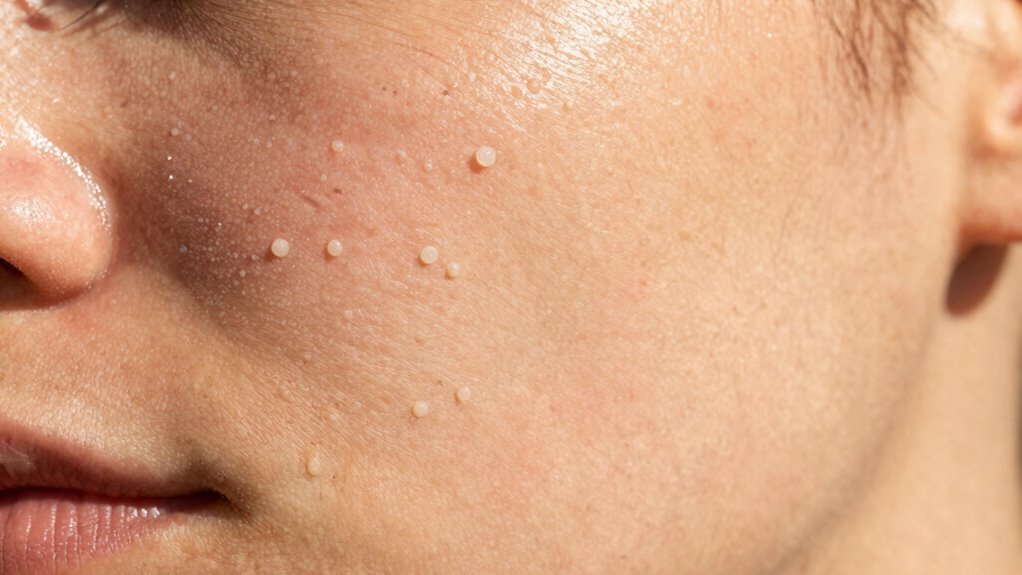
Sun exposure plays a significant role in shaping your skin’s microbiome, the diverse community of microorganisms that live on your skin’s surface. When you spend time outdoors, your skin encounters UV radiation, a key factor influencing microbial diversity. UV rays can directly affect the microorganisms living on your skin, altering their composition and abundance. Some microbes may become more resilient, thriving under the stress of UV exposure, while others may diminish or disappear altogether. This shift in microbial diversity can impact your skin’s health, as the microbiome plays a crucial role in protecting against pathogens and maintaining skin barrier function.
As you expose your skin to sunlight, you might notice changes in your skin’s appearance, but the effects go deeper than surface-level. UV radiation can damage skin cells, prompting an immune response that also influences the microbial community. Certain bacteria and fungi are sensitive to changes in skin pH, moisture, and temperature, all of which can be affected by UV exposure. For example, increased UV exposure can cause a temporary decrease in microbial diversity, making your skin more vulnerable to infections or imbalance, such as acne or dermatitis. Conversely, moderate sun exposure might promote a healthier balance by encouraging beneficial microbes that support skin immunity. Additionally, understanding the environmental factors that influence the microbiome can help you develop more effective skincare routines. This dynamic relationship highlights the importance of balancing sun exposure with protective measures to support optimal skin health.
Your skin’s microbiome is dynamic, constantly adapting to environmental factors, including sun exposure. If you frequently spend long hours in the sun without protection, the persistent UV radiation can lead to a less diverse microbiome, which may weaken your skin’s resilience. Over time, this reduced microbial diversity can impair your skin’s ability to regenerate and heal, heightening the risk of damage and aging. It’s important to recognize that while some microbes may benefit from UV exposure, excessive sun can be harmful, disrupting the delicate balance necessary for ideal skin health. Wearing appropriate sun protection helps mitigate these adverse effects, preserving the diversity and stability of your microbiome. Moreover, engaging in practices that support microbial diversity, such as using probiotic skin products or maintaining a balanced diet, can help sustain your skin’s health in the long term. Protecting your skin from overexposure is essential for maintaining the microbiome’s health and functionality.
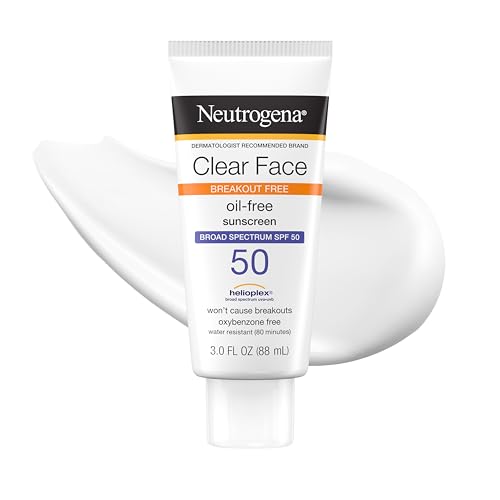
Neutrogena Clear Face Sunscreen Lotion SPF 50, 3 fl. oz
- Acne-Prone Skin Formula: Broad spectrum SPF 50 protection
- Lightweight and Oil-Free: Quick-absorbing, breathable texture
- Non-Comedogenic: Won't clog pores or cause breakouts
As an affiliate, we earn on qualifying purchases.
As an affiliate, we earn on qualifying purchases.
Frequently Asked Questions
How Quickly Does Sun Exposure Alter the Skin Microbiome?
Sun exposure can quickly alter your skin microbiome, often within hours. As UV rays impact your skin, microbial resilience varies; some microbes adapt fast, while others decline. This process influences skin regeneration, encouraging beneficial bacteria growth or disrupting balance. You might notice changes in skin health within a day or two, depending on exposure intensity. Protecting your skin helps maintain a healthy microbiome, supporting overall skin health and resilience.
Can Sunscreen Prevent Changes in the Skin Microbiome Caused by Sun?
Sunscreen acts like a shield, helping to preserve your skin’s microbial resilience. While it can’t completely prevent changes caused by sun exposure, high-efficacy sunscreens can markedly reduce detrimental effects on your microbiome. By blocking harmful UV rays, sunscreen supports your skin’s natural balance and resilience, allowing your microbiome to maintain its harmony longer. So, using effective sunscreen helps protect your skin’s microbial community from sun-induced disturbances.
Does Sun Exposure Affect All Skin Types Equally?
Sun exposure doesn’t affect all skin types equally. Your genetic variability and skin pigmentation play vital roles in how your skin responds. People with darker skin pigmentation have more melanin, which offers some protection against UV damage, resulting in less impact on their skin microbiome. Conversely, those with lighter skin may experience more significant changes due to less melanin, making their microbiome more vulnerable to sun-induced alterations.
Are There Long-Term Effects of Sun Damage on Skin Bacteria?
Long-term sun damage can harm your skin bacteria, reducing microbiome resilience over time. Prolonged UV exposure weakens the skin’s natural barrier, making it harder for beneficial microbes to thrive. To preserve your skin’s microbiome, it’s essential to practice sun protection consistently. Shield your skin from harmful rays, limit sun exposure, and maintain a healthy skincare routine to minimize long-term effects and support a balanced, resilient microbiome.
How Does UV Radiation Influence Specific Beneficial Microbes?
Like a shielded fortress, beneficial microbes demonstrate microbial resilience against UV radiation, but some are surprisingly sensitive. UV exposure can weaken or eliminate key beneficial bacteria, disrupting the balance of your skin’s microbiome. This selective impact influences microbial diversity, making beneficial microbes more vulnerable and less able to perform their protective roles. So, UV radiation can directly alter specific beneficial microbes, affecting your skin’s health and resilience over time.
Conclusion
So, next time you soak up the sun, remember you’re not just warming your skin—you’re also shaping your microbiome. Too much exposure can wipe out beneficial microbes like a knight banishing dragons, leaving your skin vulnerable. To keep your kingdom healthy, balance your sun time and safeguard your skin. Think of it as tending your own medieval garden—careful cultivation ensures a thriving, resilient microbiome that keeps your skin happy and strong.