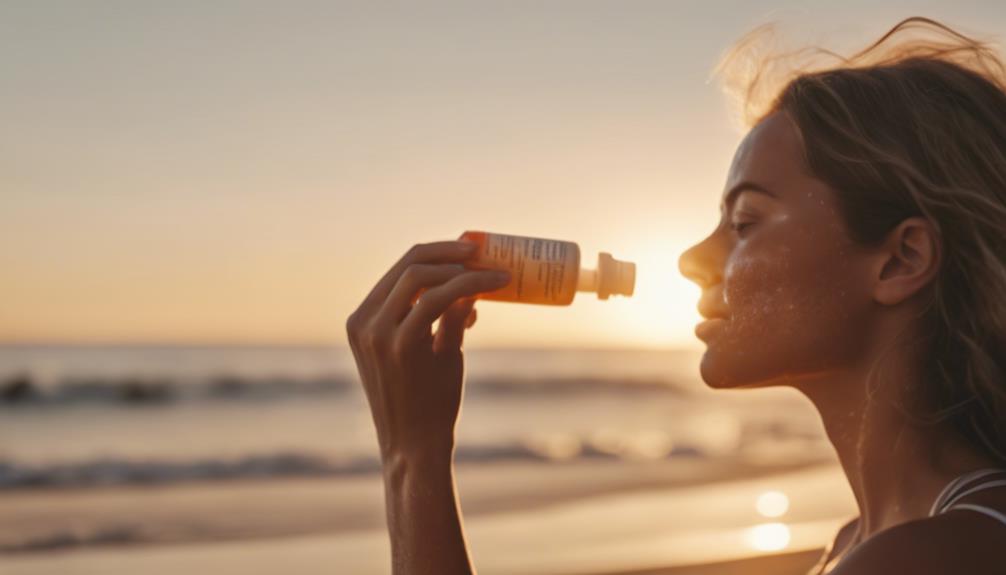

Frequent tanning accelerates collagen breakdown, which speeds up skin aging and reduces firmness. UV rays penetrate deeply, damaging collagen fibers and weakening skin’s structure over time. As collagen deteriorates, you’ll notice more wrinkles, sagging, and loss of elasticity sooner than expected. Consistent exposure to UV light worsens this process, making skin less resilient. If you want to understand exactly how this damage happens and how to protect your skin better, keep exploring the details ahead.

Get beauty and skincare favorites delivered free — and shop member deals
- Fast, free delivery on millions of items
- Access to Prime Big Deal Days deals on October 6–7
- Prime Video, Amazon Music and more included
Key Takeaways
- Frequent tanning accelerates UV-induced collagen breakdown, leading to premature skin aging.
- Increased tanning sessions weaken collagen fibers, causing loss of skin firmness and elasticity.
- UV exposure from tanning beds and sun exposure both contribute cumulatively to collagen degradation.
- Reducing tanning frequency helps preserve collagen levels and maintain youthful, resilient skin.
- Protective measures like sunscreen and clothing minimize UV damage and slow collagen breakdown.

Many people believe tanning is harmless, but repeated exposure to UV rays can accelerate collagen breakdown in your skin. When you spend time in the sun or use tanning beds, UV exposure penetrates deep into your skin’s layers, triggering a cascade of damage. One of the key consequences is the deterioration of collagen, the protein responsible for keeping your skin firm and elastic. As collagen fibers weaken and break down, your skin loses its natural elasticity, leading to sagging and the development of fine lines and wrinkles over time. This process isn’t immediate; it happens gradually with repeated tanning sessions, making it easy to overlook the long-term damage you’re causing.
UV exposure directly impacts your skin’s ability to maintain its elasticity. Collagen production slows down with age, but UV rays speed up this decline dramatically. Every time you tan, your skin sustains microscopic damage that hampers its natural repair mechanisms. The more frequently you expose yourself to UV rays, the more you accelerate collagen degradation. This results in a thinner, less resilient skin structure that’s more prone to sagging and the formation of wrinkles. Even if you don’t notice immediate changes, over years, the cumulative effects become visible, leaving your skin less supple and youthful.
Understanding how UV exposure affects skin elasticity emphasizes why frequent tanning is particularly damaging. When your skin’s collagen network weakens, it cannot bounce back from minor injuries or stresses as easily. This loss of resilience means your skin cannot maintain its smooth appearance, and signs of aging become more pronounced. Tanning might give you a temporary glow, but it comes at the expense of your skin’s structural integrity. The damage is subtle at first, but with consistent UV exposure, your skin’s elasticity diminishes markedly, leading to that aged, leathery look many associate with excessive sun exposure.
Protecting your skin from UV rays is essential to preserving its elasticity. Regularly applying broad-spectrum sunscreen, wearing protective clothing, and avoiding peak sun hours can help minimize damage. Remember, the damage caused by UV exposure is cumulative; each session chips away at your skin’s youthful resilience. If you want to maintain healthy, elastic skin, reducing tanning frequency and safeguarding against UV rays should be top priorities. By doing so, you help preserve your skin’s natural collagen, ensuring it stays firm, supple, and youthful for years to come. Being aware of UV damage is crucial for making informed choices about sun exposure and skin health.
broad-spectrum sunscreen for face
As an affiliate, we earn on qualifying purchases.
As an affiliate, we earn on qualifying purchases.
Frequently Asked Questions
Does Collagen Breakdown Affect Skin Aging Differently Across Skin Types?
Yes, collagen breakdown affects skin aging differently across skin types. You may notice that lighter skin loses collagen synthesis faster, leading to decreased skin elasticity and early wrinkles. Darker skin often has more melanin, which offers some protection against UV damage, slowing collagen breakdown. Understanding these differences helps you protect your skin better, maintain elasticity, and delay aging signs tailored to your skin type.
Can Tanning Frequency Accelerate Collagen Degradation?
It’s no coincidence that frequent tanning damage accelerates collagen loss, making your skin age faster. Every time you tan, ultraviolet rays break down collagen fibers, weakening your skin’s structure. Over time, this process speeds up, leading to wrinkles and sagging sooner than expected. So, if you want to preserve youthful skin, it’s best to limit tanning and protect yourself from UV exposure. Your skin will thank you later.
Are There Specific Foods That Help Preserve Collagen During Tanning?
Eating foods rich in antioxidants helps preserve your collagen during tanning. Incorporate berries, nuts, and leafy greens into your diet, as they boost your antioxidant intake and combat free radicals that can accelerate collagen breakdown. Staying well-nourished with these collagen-friendly foods supports skin health, enhances your natural resistance to damage from UV exposure, and helps maintain the firmness and elasticity of your skin while tanning.
How Does Hydration Influence Collagen Health During Frequent Tanning?
Maintaining proper hydration levels is vital for supporting collagen synthesis during frequent tanning. When you’re well-hydrated, your skin stays plump and resilient, which helps protect collagen from damage. Water also flushes out toxins that can accelerate collagen breakdown. To maximize collagen health, drink enough water daily, especially when tanning often, and consider hydrating foods like fruits and vegetables to boost your skin’s natural ability to repair and stay firm.
What Are the Long-Term Effects of Frequent Tanning on Collagen Levels?
Imagine your skin’s collagen as a delicate garden, thriving when nurtured and harmed by neglect. Frequent tanning acts like harsh weather, breaking down collagen faster than it can regenerate, causing long-term damage. Over time, collagen synthesis slows, leading to sagging and wrinkles. For tanning safety, limit exposure and prioritize skin health, so your skin remains vibrant and resilient, like a well-tended garden, for years to come.
Conclusion
Think of your skin as a delicate castle made of bricks. Every time you tan, it’s like exposing those bricks to the sun’s harsh rays, slowly weakening the fortress. Over time, collagen acts as the mortar holding it all together. The more you tan, the more you risk crumbling your castle from within. Protect your fortress by limiting tanning, giving your skin the chance to stay strong and resilient for years to come.
Halloween Picks
halloween
As an affiliate, we earn on qualifying purchases.