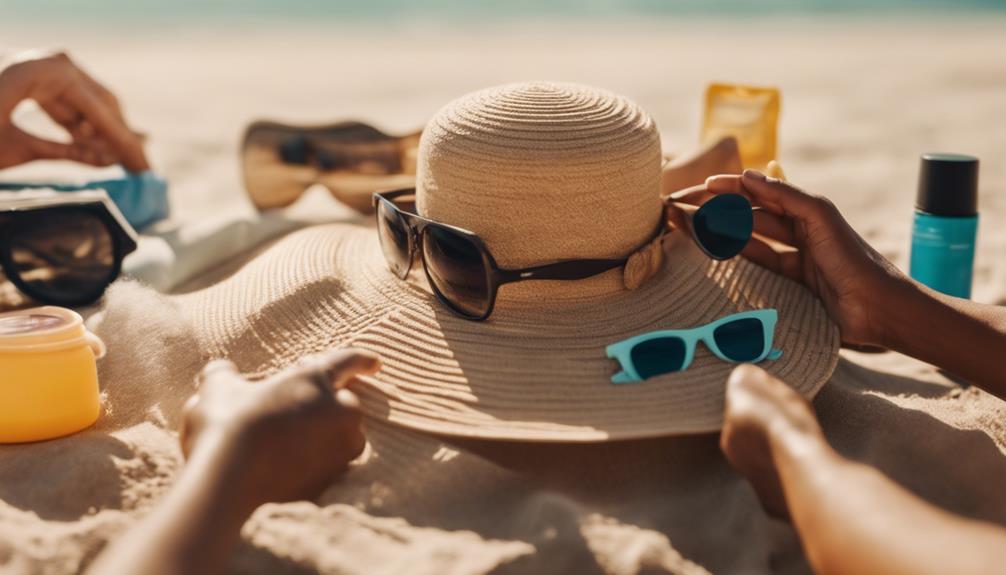

Myth or fact: sunbathing can clear up acne? It’s mostly a myth. While sunlight might temporarily dry out surface oils, it doesn’t treat or cure acne and can make your skin worse over time. Sun exposure can darken scars and hyperpigmentation, and long-term, it damages your skin, increasing aging and cancer risks. If you’re curious about safer, more effective ways to improve your skin, keep exploring for helpful tips.
Key Takeaways
- Sunbathing may temporarily dry surface oils but does not treat or cure acne.
- UV exposure can darken scars and hyperpigmentation, making skin issues more noticeable.
- Tanning increases skin damage and the risk of premature aging and skin cancer.
- Proper skincare and dermatologist advice are more effective for managing acne than sun exposure.
- Relying on sunbathing for clearer skin is a myth; it can worsen skin health over time.

Many people wonder if sunbathing can help clear up acne or make it worse. The truth is, there are many tanning misconceptions floating around, and some of them can be misleading or even harmful. You might have heard that exposure to the sun can dry out pimples or reduce inflammation, but that’s a skin health myth that needs debunking. While a little sun might temporarily improve the appearance of acne by drying surface oils, it doesn’t mean it’s a safe or effective treatment. Instead, it can cause long-term damage to your skin, leading to premature aging and increasing your risk for skin cancer.
Some people believe that tanning can help fade scars or hyperpigmentation caused by acne. However, this is another skin health myth. Sun exposure can actually darken scars and hyperpigmented areas, making them more noticeable over time. Instead of helping, tanning can complicate your skin’s healing process. Plus, the UV rays in tanning beds and natural sunlight can weaken your skin’s immune response, making it harder for your skin to repair itself. This can lead to more breakouts or prolonged healing of existing acne.
Tanning darkens scars and hyperpigmentation, hindering your skin’s healing process.
It’s also common to hear that tanning can improve your mood or boost your confidence, which might make you think it’s a good idea to spend more time in the sun. While sunlight can increase serotonin levels temporarily, overexposure can lead to skin damage and increase your risk for skin cancer. Relying on sunbathing as a quick fix for skin issues or mental health isn’t a healthy approach. Instead, consider safer skincare routines and stress management techniques that don’t put your skin at risk.
If you think tanning helps clear up your skin, it’s important to recognize that many of these beliefs are based on myths rather than facts. Protecting your skin from harmful UV rays is vital for maintaining long-term skin health. Using non-comedogenic skincare products, keeping your face clean, and consulting with a dermatologist will do far more good than laying in the sun or using tanning beds. Remember, the idea that sunbathing clears up acne is just a misconception. Your best bet is to treat your skin with care and use proven methods to manage acne rather than risking damage from misguided tanning habits.
Additionally, understanding the benefits of proper skincare routines can help you achieve better skin health without exposing yourself to unnecessary risks.

Vanicream Daily Facial Moisturizer With Ceramides and Hyaluronic Acid – Formulated Without Common Irritants for Those with Sensitive Skin, 3 fl oz (Pack of 1)
Vanicream is the #1 Dermatologist recommended Brand for Sensitive Skin: Source IQVIA ProVoice Survey, 12 months ending July…
As an affiliate, we earn on qualifying purchases.
As an affiliate, we earn on qualifying purchases.
Frequently Asked Questions
Can Sun Exposure Worsen Acne Scars Over Time?
Sun exposure can worsen your acne scars over time because it accelerates sun damage and skin aging. When you spend too much time in the sun without protection, UV rays break down collagen, making scars more prominent and your skin age faster. Instead of helping, prolonged sun exposure can deepen scars and cause uneven skin tone. Always wear sunscreen and limit your time in the sun to protect your skin’s health and appearance.
Is Tanning Safe for Acne-Prone Skin?
You might think tanning is a quick fix, but it’s a classic case of chasing shadows. Tanning myths often promise clear skin, but it can actually harm your skin health, especially if you’re prone to acne. UV exposure damages skin over time, increasing risks like premature aging and cancer. Instead, focus on gentle treatments and proper skincare—tanning isn’t the answer for healthy, acne-prone skin.
How Long Should I Sunbathe for Acne Benefits?
You should limit your tanning duration to avoid skin damage. Experts recommend following sun exposure guidelines of no more than 15-20 minutes of direct sunlight daily, depending on your skin type. Longer tanning sessions won’t necessarily improve acne and can cause harm. Focus on protecting your skin with sunscreen and consult a dermatologist for safe, effective acne treatments instead of relying on extended sunbathing.
Does Sunscreen Prevent Acne While Sunbathing?
You might wonder if sunscreen prevents acne while sunbathing. While sunscreen helps protect your skin, some formulas can clog pores, leading to breakouts. Also, sun exposure can cause skin dehydration, which may worsen acne. To avoid pore clogging and dehydration, choose non-comedogenic, oil-free sunscreens and limit your sun time. Always cleanse your skin thoroughly afterward to keep pores clear and maintain healthy, hydrated skin.
Are There Alternative Natural Remedies for Acne?
You’re wondering about alternative natural remedies for acne. Herbal remedies like tea tree oil or aloe vera can soothe your skin and reduce inflammation. Additionally, diet modifications—such as reducing sugar and dairy intake—may help improve your skin’s condition. While these options might work for some, remember that consistency is key, and it’s best to consult a dermatologist to develop a personalized plan that addresses your specific skin needs.
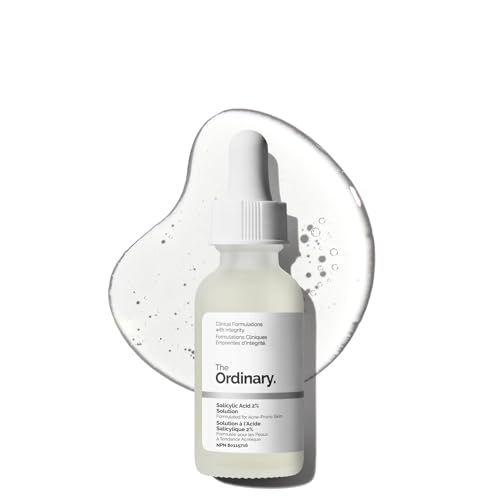
The Ordinary Salicylic Acid 2% Solution, Acne-Fighting Serum for Blemish-Prone Skin, 1 Fl Oz
TARGETS ACNE & CONGESTION: Salicylic Acid 2% Solution treats acne by exfoliating the skin surface and penetrating pores…
As an affiliate, we earn on qualifying purchases.
As an affiliate, we earn on qualifying purchases.
Conclusion
So, remember the sun’s rays aren’t your secret weapon like a knight’s shield against acne. Like Icarus flying too close to the sun, you risk harm without true healing. Sunbathing may dry out pimples temporarily, but it often worsens your skin in the long run. Instead, think of healthier options—consult a dermatologist and stick to a skincare routine. Protect your skin, and let science be your guiding star, not myths.

Neutrogena Clear Face Sunscreen Lotion for Acne-Prone Skin, Broad Spectrum SPF 50, Sunscreen for Face & Oily Skin, Oil-,Fragrance- & Oxybenzone-Free, Water Resistant, Matte, Unscented, 3 Fl Oz
Pack of One, 3-fluid ounce Neutrogena Clear Face Sunscreen for Acne-Prone Skin Stabilized with Helioplex technology, this oxybenzone-free…
As an affiliate, we earn on qualifying purchases.
As an affiliate, we earn on qualifying purchases.

Bio-Oil Skincare Body Oil Serum for Scars and Stretch Marks, Face and Body Moisturizer with Vitamin E & A for Sensitive Dry Skin, Dermatologist Recommended, Non-Comedogenic, 4.2 Oz
HELPS IMPROVES APPEARANCE OF SCARS AND STRETCH MARKS – Dermatologist recommended and clinically proven for scars, stretch marks,…
As an affiliate, we earn on qualifying purchases.
As an affiliate, we earn on qualifying purchases.