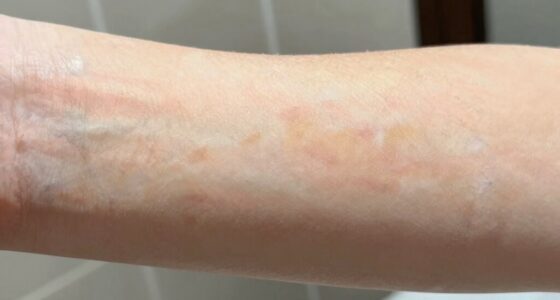

Indoor tanning damages your skin’s collagen fibers by exposing them to harmful UV rays, which accelerates natural breakdown. This leads to a loss of elasticity, causing wrinkles, sagging, and premature aging. Each session adds to the damage, impairing your skin’s ability to produce new collagen. Over time, your skin becomes less resilient and youthful-looking. To understand how to protect your skin and slow aging signs, keep exploring the effects of UV exposure on skin health.

Get beauty and skincare favorites delivered free with Prime
- Fast, free delivery on millions of items
- Prime Video, Amazon Music and more included
- Member-only deals all year
Key Takeaways
- Indoor tanning exposes skin to UV rays that damage collagen fibers, accelerating their breakdown.
- UV-induced oxidative stress creates free radicals that harm collagen and reduce skin elasticity.
- Repeated tanning sessions compound damage, leading to premature aging, wrinkles, and sagging skin.
- Collagen production decreases over time due to UV exposure, impairing skin renewal and firmness.
- Protecting skin from UV rays helps maintain collagen levels and preserves skin elasticity and youthful appearance.
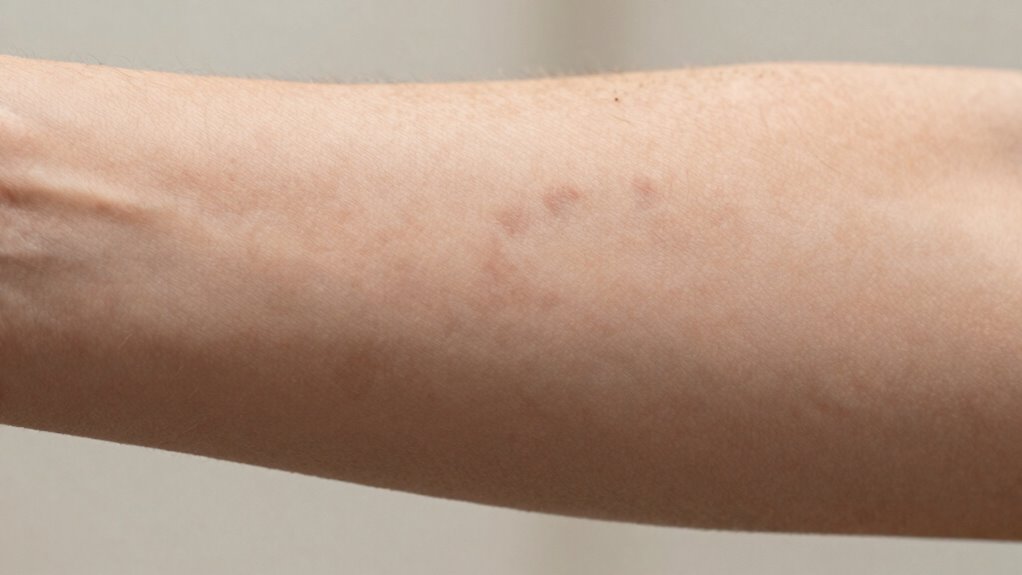
Indoor tanning can substantially impact your skin’s health, particularly by affecting collagen—the protein responsible for maintaining skin’s firmness and elasticity. When you spend time under tanning lamps, you’re exposing your skin to UV radiation, which accelerates the natural process of skin aging. UV exposure damages the collagen fibers in your skin, breaking them down more quickly than they would naturally degrade over time. This accelerated breakdown leads to the development of wrinkles, fine lines, and sagging skin, making you look older than you actually are. The more you tan indoors, the greater your risk of skin aging because UV rays penetrate deep into the skin layers, disrupting the structure that keeps your skin smooth and firm.
You might think that indoor tanning is a quick way to get a bronzed look, but it comes with long-term consequences. Each session contributes to cumulative UV exposure, which compounds over time and worsens collagen deterioration. This damage isn’t just superficial; it reaches the deeper layers of your skin, impairing the production of new collagen fibers. As your body’s ability to generate fresh collagen decreases, your skin loses its natural elasticity, leading to sagging and the formation of wrinkles. This process is largely invisible at first but becomes evident as your skin begins to age prematurely. The effects of UV exposure from indoor tanning are similar to those caused by outdoor sunbathing, but many forget that indoor tanning beds can sometimes emit even more concentrated UV rays, speeding up skin aging.
Beyond the visible effects, UV exposure also causes oxidative stress, which creates free radicals that further damage collagen and other essential skin components. Over time, this damage accumulates, making your skin less resilient and more prone to developing fine lines and age spots. If you care about maintaining youthful, elastic skin, it’s essential to recognize that indoor tanning is not a safe shortcut. Instead, it accelerates the natural aging process and hampers collagen’s ability to keep your skin firm and supple. Protecting your skin from UV exposure by avoiding indoor tanning beds can help preserve your skin’s structure, delaying skin aging and maintaining your skin’s natural elasticity longer. The healthier choice is to seek safer alternatives for achieving a sun-kissed glow without sacrificing your skin’s long-term health and appearance.
collagen supplements for skin elasticity
As an affiliate, we earn on qualifying purchases.
As an affiliate, we earn on qualifying purchases.
Frequently Asked Questions
Does Indoor Tanning Increase Skin Cancer Risk?
Yes, indoor tanning increases your skin cancer risk because it exposes you to harmful UV rays. This UV exposure causes skin damage, including DNA mutations that can lead to melanoma and other skin cancers. Even if your skin looks healthy, the damage accumulates over time. So, avoiding indoor tanning helps protect you from skin damage and substantially lowers your chances of developing skin cancer later in life.
How Does Indoor Tanning Differ From Outdoor Sun Exposure?
Indoor tanning is vastly different from outdoor sun exposure, and it’s not just a minor detail. Tanning devices emit concentrated UV rays, which can be more intense than natural sunlight, leading to quicker skin damage. When you use tanning beds, you’re exposing your skin to controlled UV exposure, often without the benefits of natural sunlight’s full spectrum. This targeted exposure can ramp up your risk of skin issues more than outdoor sun, making it a dangerous game.
Can Collagen Loss From Tanning Be Reversed?
Yes, collagen loss from tanning can be partially reversed through collagen regeneration and elasticity restoration efforts. You can boost your skin’s repair process by using retinoids, vitamin C serums, and staying well-hydrated. Protecting your skin from further UV exposure is essential. While some damage may be permanent, adopting healthy skincare routines and sun protection can help improve your skin’s firmness and elasticity over time.
What Skincare Products Help Restore Elasticity After Tanning?
Your skin needs a boost after tanning, so opt for moisturizing serums and collagen-boosting creams. These products hydrate, heal, and help restore elasticity by encouraging collagen production. Look for ingredients like hyaluronic acid, peptides, and vitamin C to maximize results. Regular use nurtures your skin’s natural resilience, fights fine lines, and refines firmness. Embrace these effective essentials to elevate your skin’s elasticity and enjoy a more youthful, radiant glow.
Are There Safer Alternatives to Achieve a Tanned Look?
Yes, you can achieve a tanned look safely using natural alternatives like bronzing lotions or sprays, or opt for sunless tanning products. Sunless tanning creates a beautiful glow without exposing your skin to harmful UV rays, helping preserve your collagen and elasticity. These options are quick, customizable, and reduce your risk of skin damage and premature aging. So, you can enjoy a radiant tan without compromising your skin’s health.
Conclusion
As you enjoy the warm glow of indoor tanning, imagine it as a gentle sunset that gradually dims your skin’s youthful brightness. Over time, this soft hue can quietly erode the delicate fibers that keep your skin firm and resilient, like fading echoes of a vibrant melody. While that cozy glow feels inviting, remember it’s subtly whispering away your skin’s natural elasticity. Embrace your skin’s health, letting your natural radiance shine brighter than any artificial sunset.
Halloween Picks
halloween
As an affiliate, we earn on qualifying purchases.