If you frequently indoor tan, you’ll notice your skin gradually becomes rougher, uneven, and less elastic over time. UV rays damage the deeper layers of your skin, breaking down collagen and causing sagging, fine lines, and wrinkles. The more often you tan, the faster these texture changes happen, leading to dull, leathery skin. Keep going, and you’ll discover how these effects can become difficult to reverse and what you can do to protect your skin.

Get beauty and skincare favorites delivered free — and shop member deals
- Fast, free delivery on millions of items
- Access to Prime Big Deal Days deals on October 6–7
- Prime Video, Amazon Music and more included
Key Takeaways
- Frequent indoor tanning accelerates collagen breakdown, leading to rough, uneven skin texture over time.
- Repeated UV exposure causes cumulative skin damage, resulting in dull, leathery appearance.
- Regular tanning increases the risk of developing fine lines, wrinkles, and sagging skin.
- The skin’s structural support weakens with frequent UV damage, compromising resilience and elasticity.
- Skin texture changes become more pronounced with increased tanning sessions, often becoming irreversible.
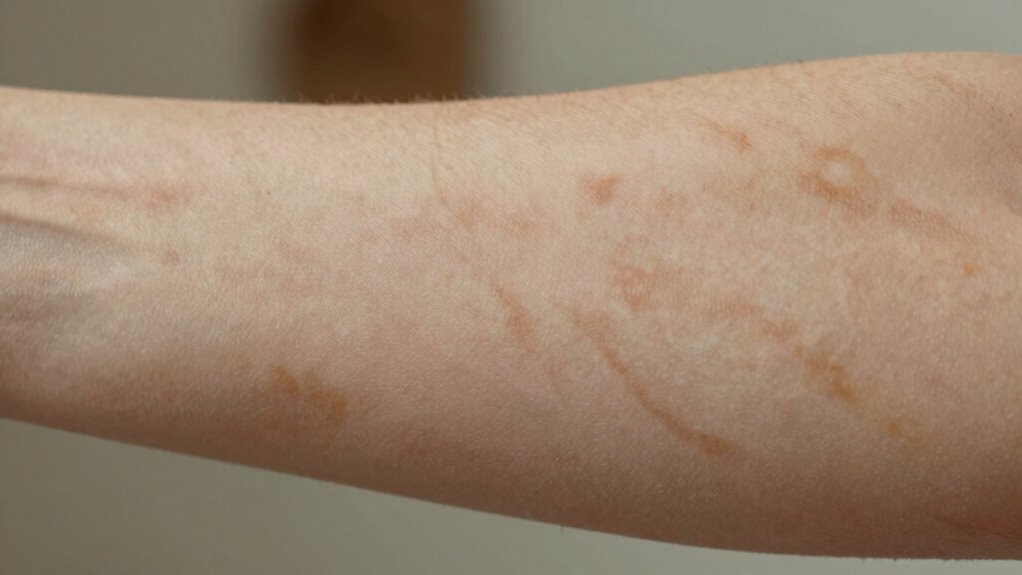
Have you ever wondered how indoor tanning affects your skin’s texture? When you step into a tanning bed, you’re exposing your skin to ultraviolet (UV) rays, which can cause more damage than you might realize. Over time, this repeated exposure leads to sun damage, a primary culprit behind changes in your skin’s appearance and feel. Sun damage accelerates the breakdown of collagen, a crucial protein responsible for maintaining your skin’s firmness and smoothness. As collagen degrades, your skin loses its elasticity, resulting in sagging and the formation of fine lines and wrinkles. The more frequently you tan indoors, the faster this process accelerates, making your skin appear aged prematurely.
Every session increases your risk of collagen breakdown, which directly influences your skin’s texture. Instead of staying smooth and supple, your skin begins to develop a rougher, uneven surface. You might notice areas that feel coarse or appear bumpy—signs that your skin’s structural support is weakening. The cumulative effect of consistent indoor tanning sessions can lead to a dull, leathery appearance, where the skin loses its natural glow and elasticity. This isn’t just about looking older; it’s about your skin’s health and how it feels to the touch. When collagen breaks down, your skin can become fragile and more prone to developing fine lines, wrinkles, and even age spots, all of which alter its original texture.
Frequent tanning weakens skin support, causing roughness, dullness, and increased aging signs.
Moreover, sun damage from indoor tanning doesn’t just impact your skin’s surface; it can cause deeper structural changes. UV rays penetrate into the dermis, damaging the fibers that give your skin its resilience. This damage is often invisible at first but manifests over time, as your skin becomes less resilient and more prone to sagging. The more often you tan indoors, the more significant these changes become, making it harder for your skin to recover and regenerate naturally. It’s a gradual process, but one that accelerates with every session you indulge in.
In short, frequent indoor tanning speeds up sun damage and collagen breakdown, leading to a rougher, less elastic skin texture. It’s a cycle that can’t be reversed easily once the damage is done. Your best bet is to protect your skin from UV exposure altogether, opting for safer alternatives to achieve that sun-kissed glow without compromising your skin’s health and youthful texture.
As an affiliate, we earn on qualifying purchases.
Frequently Asked Questions
Can Indoor Tanning Cause Permanent Skin Texture Changes?
Indoor tanning can cause permanent skin texture changes because UV damage accelerates collagen breakdown, weakening your skin’s structure. When you expose yourself repeatedly, it leads to loss of elasticity and the formation of wrinkles or rough patches that don’t fully reverse. So, yes, frequent indoor tanning increases the risk of lasting skin texture alterations, emphasizing the importance of protecting your skin from UV damage to maintain a healthy, smooth appearance.
Are Certain Skin Types More Affected by Tanning?
Some skin types are downright superheroes or villains when it comes to tanning. If you have high skin sensitivity, your skin is more likely to suffer from texture changes or damage. Meanwhile, those with tougher skin might tolerate tanning better but still face risks. Your tanning preferences matter too—frequent tanning can exacerbate effects, especially if your skin is delicate. Always listen to your skin and protect it accordingly.
How Quickly Does Skin Texture Change After Tanning?
Your skin texture can start changing within a few sessions of indoor tanning, often showing signs like roughness or unevenness. Tanning side effects, such as reduced skin elasticity, may develop gradually, but noticeable changes can occur in just a few weeks. Regular exposure accelerates these effects, leading to a dull or leathery appearance. To protect your skin, limit tanning sessions and consider skincare routines that support elasticity and overall health.
Can Skin Texture Recover After Stopping Tanning?
Absolutely, your skin can recover after stopping indoor tanning, much like a phoenix rising from the ashes. When you quit, your skin’s elasticity can improve over time, and melanin production normalizes, reducing uneven textures. Although some damage may linger, consistent care, hydration, and sun protection help restore a smoother appearance. Patience is key—your skin’s resilience often allows it to bounce back, revealing healthier, more natural texture.
Does Tanning Frequency Influence Skin Aging?
Yes, tanning frequency influences skin aging because frequent sun exposure boosts melanin production, which damages skin cells over time. The more you tan, the more your skin endures UV damage, leading to premature wrinkles, age spots, and loss of elasticity. Even indoor tanning accelerates aging by exposing your skin to concentrated UV rays. To protect your skin, limit tanning sessions and always use proper sun protection.
Conclusion
So, every time you step into that tanning booth, think of it as painting on a fragile canvas—your skin. Each session subtly reshapes its texture, like gentle waves eroding a shoreline. Over time, those waves can carve deep into your skin’s surface, leaving behind changes you might not notice at first. If you want your skin to stay smooth and healthy, it’s better to skip the sunbed’s tempting glow and protect your natural glow instead.
Halloween Picks
halloween
As an affiliate, we earn on qualifying purchases.