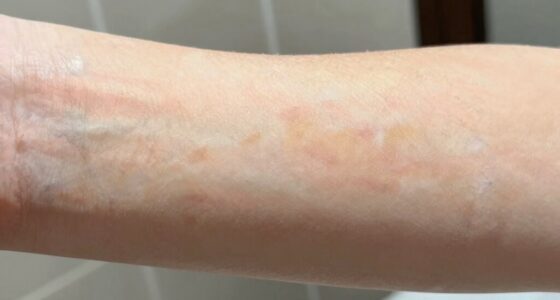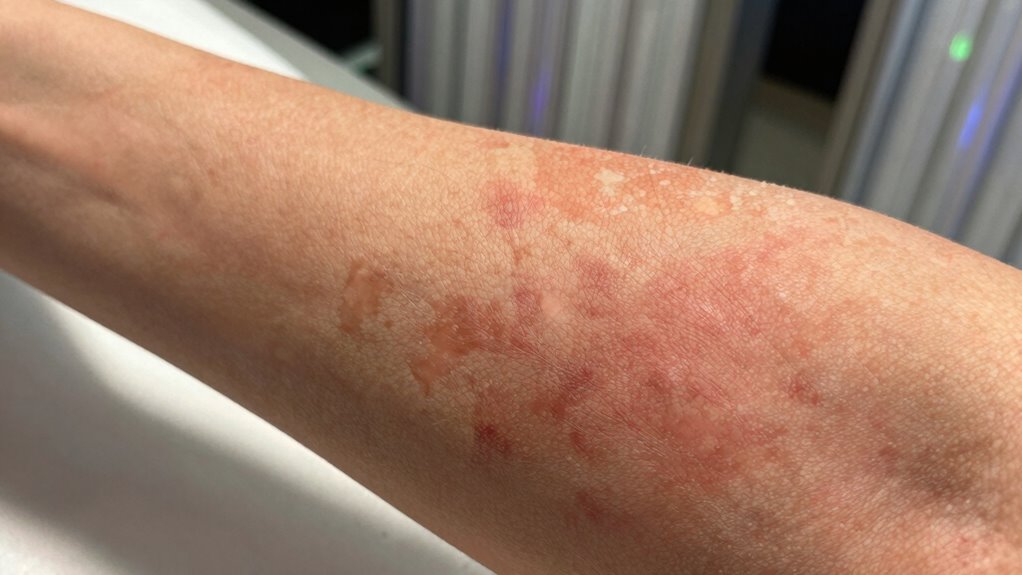

Chasing a deeper indoor tan exposes your skin to intense UV radiation that can accelerate aging and increase your risk of skin cancer, often without you realizing how harmful it truly is. Each session adds up, damaging collagen, elastin, and your skin’s resilience. Many think occasional tanning isn’t risky, but it’s a dangerous misconception. If you want to protect your skin’s health and youthfulness, there’s more to uncover about these hidden dangers.

Get beauty and skincare favorites delivered free — and shop member deals
- Fast, free delivery on millions of items
- Access to Prime Big Deal Days deals on October 6–7
- Prime Video, Amazon Music and more included
Key Takeaways
- Deeper indoor tanning increases cumulative UV exposure, significantly raising skin cancer risk, including melanoma.
- Higher UV intensity from tanning beds accelerates skin aging, causing wrinkles, sagging, and age spots.
- Pursuing a deeper tan damages collagen and elastin, leading to loss of skin firmness and resilience over time.
- Many underestimate the long-term health dangers of intense UV exposure, risking skin damage and immune suppression.
- Safer alternatives like self-tanners provide a natural glow without the hidden health risks of deep tanning.
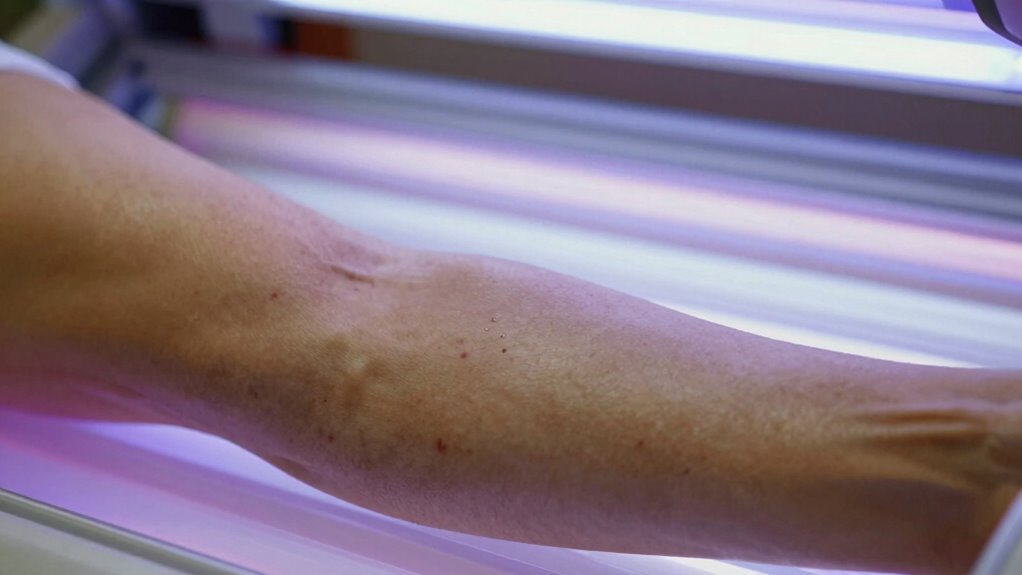
Many people seek a deeper indoor tan, believing it enhances their appearance or boosts confidence, but they often overlook the hidden risks involved. The biggest danger comes from UV exposure, which occurs every time you step into a tanning bed. Even though tanning beds are marketed as a safe alternative to natural sunlight, they still emit UV rays that penetrate your skin, damaging it over time. This exposure accelerates skin aging, causing wrinkles, fine lines, and age spots long before their time. You might think a tan makes you look healthier or more attractive, but in reality, it’s a sign that your skin is losing its resilience and robustness.
Every session you have in a tanning bed adds to your cumulative UV exposure. This damage isn’t just superficial; it penetrates deep into your skin cells, destroying collagen and elastin fibers that keep your skin firm and smooth. Over months and years, this leads to premature skin aging, making your skin look dull, saggy, and less elastic. The more you tan indoors, the faster these signs appear. Plus, UV exposure increases your risk of developing skin cancers, including melanoma, which can be life-threatening. The danger isn’t limited to the moment of tanning; it’s an ongoing risk that adds up with each session.
You might think that using tanning beds occasionally won’t harm you, but the reality is that even sporadic use can contribute to skin damage. Many people underestimate how much UV radiation they’re exposed to during each session. Tanning beds can emit UV rays at intensities much higher than natural sunlight, meaning you get a potent dose in a short period. This intense exposure can cause immediate damage, like sunburn, and long-term harm, such as accelerated skin aging and increased cancer risk. It’s easy to fall into a trap of believing that a quick session won’t do much, but the truth is that no amount of UV exposure is truly safe. Recognizing that UV radiation exposure can be cumulative helps underline the importance of protecting your skin now. Additionally, understanding the long-term effects of UV damage can motivate better choices for your skin health.
Furthermore, many individuals are unaware that UV exposure not only harms the skin but can also affect overall health, including immune system suppression. Instead of risking your skin’s health, you might want to contemplate safer alternatives to achieve that sun-kissed glow. Self-tanning products or sprays provide a natural-looking tan without exposing you to harmful UV rays. These options help you maintain a healthy, youthful appearance without the hidden costs of indoor tanning. Remember, a tan might seem like a quick fix for confidence or attractiveness, but the real beauty comes from healthy, well-cared-for skin. Protecting yourself from UV exposure now means you’re investing in your skin’s future, ensuring it stays youthful and vibrant for years to come.
As an affiliate, we earn on qualifying purchases.
Frequently Asked Questions
Can Indoor Tanning Cause Long-Term Skin Damage Without Visible Signs?
Yes, indoor tanning can cause long-term skin damage without visible signs. You might not see immediate changes, but it accelerates skin aging and causes pigmentation changes over time. Ultraviolet (UV) exposure damages collagen and DNA, increasing your risk of premature wrinkles and age spots. Even if your skin looks okay now, the cumulative damage can lead to significant issues later, making indoor tanning a hidden threat to your skin’s health.
Are There Specific Skin Types More Vulnerable to Indoor Tanning Risks?
You’re more vulnerable to indoor tanning risks if you have sensitive skin or tan frequently. Skin sensitivity makes your skin more prone to damage from UV exposure, increasing the risk of long-term harm. Tanning often can amplify these risks because repeated UV exposure accumulates damage over time. If you have fair skin or a history of skin issues, it’s best to avoid indoor tanning altogether to protect your skin’s health.
How Does Indoor Tanning Affect Vitamin D Production Differently Than Sun Exposure?
They say, “Too much of a good thing can be bad,” and that’s true with indoor tanning. Unlike natural sun exposure, UV exposure effects from indoor tanning are often concentrated and controlled, leading to less effective vitamin D synthesis. Indoor tanning may give you a quick tan, but it doesn’t produce vitamin D as efficiently as sunlight, putting you at risk for deficiencies while exposing you to harmful UV radiation.
What Are the Psychological Factors Influencing People to Pursue Deeper Tans?
Your desire for a deeper tan often stems from body image concerns and social influence. You might believe a darker tan boosts confidence or helps you fit societal beauty standards. Peer pressure and media portrayals can reinforce this urge, making you think a deeper tan equates to attractiveness or success. These psychological factors push you to chase that perfect, sun-kissed look, even though it may pose health risks.
Are There Safer Alternatives to Achieve a Tanned Appearance Indoors?
If you’re aiming for a tanned look indoors, natural alternatives like spray tans or tinted moisturizers are much safer than UV tanning. Skin-safe options give you a bronzed glow without risking skin damage or health issues. Many products now offer customizable shades, so you can achieve a natural-looking tan without exposure to harmful rays. These options let you enjoy a sun-kissed appearance while protecting your skin’s health.
Conclusion
As you chase that perfect, deeper tan, remember how a sudden, unexpected sun shower can catch you off guard—just like the hidden dangers lurking in indoor tanning. It’s easy to believe you’re in control, but sometimes, the risks quietly slip in, much like that coincidence of finding a forgotten umbrella when you need it most. Stay aware, protect your skin, and don’t let a fleeting desire lead to lifelong regrets. Your future self will thank you.
Halloween Picks
halloween
As an affiliate, we earn on qualifying purchases.