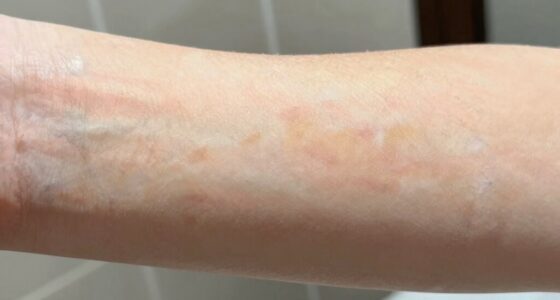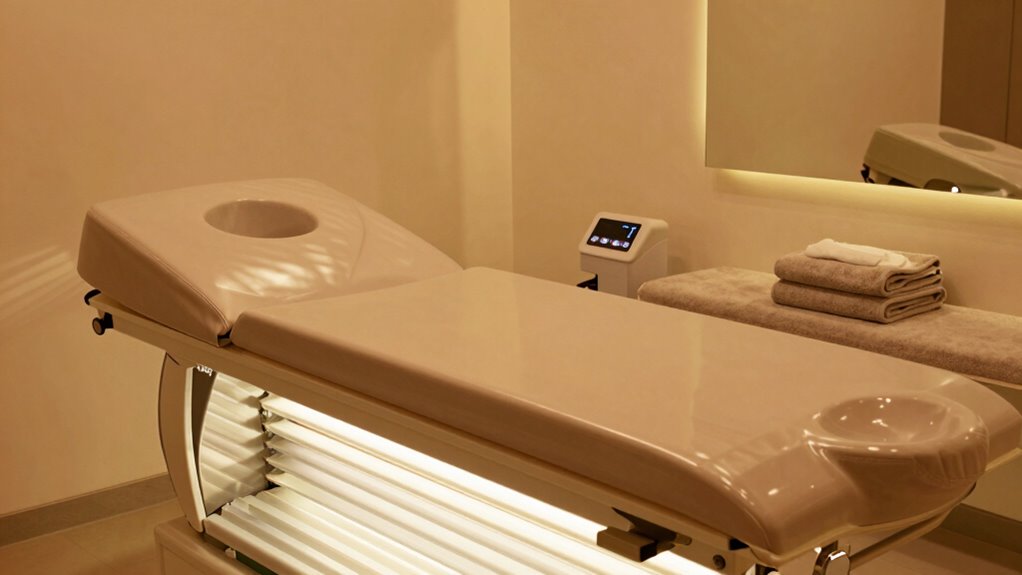

Before adding indoor tanning to your routine, understand the risks of UV exposure, skin damage, and premature aging. Follow safety protocols, like limiting sessions, wearing protective goggles, and applying sunscreen outside the bed. Consider sunless options like lotions or sprays for a safer glow, especially if you have sensitive skin or a history of skin issues. Staying informed helps you make healthier choices—exploring more details can guide you toward safer, smarter tanning habits.

Get beauty and skincare favorites delivered free — and shop member deals
- Fast, free delivery on millions of items
- Access to Prime Big Deal Days deals on October 6–7
- Prime Video, Amazon Music and more included
Key Takeaways
- Understand the risks of UV exposure, including skin aging and increased melanoma risk, before incorporating indoor tanning into your routine.
- Follow manufacturer instructions and limit sessions to minimize skin damage and overexposure.
- Consider sunless tanning alternatives like lotions or sprays for a safer, customizable glow.
- Use protective goggles and apply sunscreen to exposed skin during tanning sessions.
- Regularly monitor your skin for unusual moles or spots and consult a dermatologist if concerned.
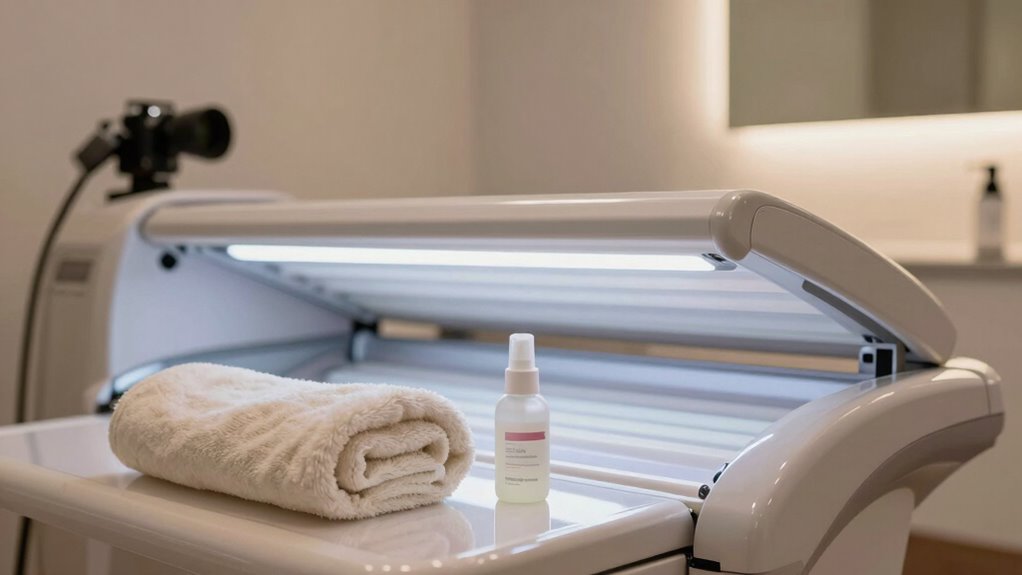
Indoor tanning can give you a sun-kissed glow all year round, but it’s important to do it safely. Before you add indoor tanning to your routine, consider your options and understand the risks involved. Sunless alternatives, like self-tanning lotions or sprays, are a safer way to achieve a bronzed look without exposing your skin to UV rays. These products can give you a natural-looking tan while minimizing the risk of skin damage. When you opt for sunless options, you eliminate concerns about skin protection, such as burns, premature aging, or increased skin cancer risk, which are associated with UV exposure from tanning beds.
Sunless tanners offer a safe, natural-looking glow without UV exposure or skin damage risks.
If you decide to use indoor tanning beds, educate yourself on how to do it responsibly. Always follow the manufacturer’s instructions, and avoid overexposure. Limit your sessions to prevent skin damage and reduce the risk of long-term health issues. Wearing protective goggles is essential to shield your eyes from harmful UV rays, and applying a broad-spectrum sunscreen to areas not covered by the bed can help prevent uneven tanning or burns. It’s also wise to check your skin regularly for any unusual moles or spots, as UV exposure increases the risk of skin cancer. Additionally, understanding contrast ratio can help you choose a tanning bed with appropriate UV output for a safer experience.
While the allure of a quick tan might tempt you, remember that skin protection should always come first. Using tanning beds excessively or without proper precautions can accelerate skin aging and increase your risk of melanoma. Many dermatologists recommend prioritizing safe alternatives like sunless tanning products, which allow you to control the intensity and coverage of your tan. These alternatives are particularly beneficial if you have sensitive skin, a history of skin cancer, or other health concerns related to UV exposure.
Incorporating sunless options into your routine means you can achieve the desired bronzed look without sacrificing your skin’s health. They offer a convenient, customizable, and safer way to maintain a tan, especially during the winter months or when you want to avoid the sun’s harmful rays. Additionally, understanding UV exposure can help you make informed choices about safe tanning practices and skin health. For example, being aware of how natural filtration systems work in natural pools can inspire safer backyard tanning or relaxation options. If you do choose indoor tanning, do so sparingly, and always prioritize skin protection measures. It’s also helpful to understand tanning bed technology, which varies widely and impacts UV emission levels. Remember, a beautiful tan isn’t worth risking your health. By understanding your options and practicing responsible habits, you can enjoy a golden glow while keeping your skin safe and healthy.
self tanning lotion for sensitive skin
As an affiliate, we earn on qualifying purchases.
As an affiliate, we earn on qualifying purchases.
Frequently Asked Questions
Is Indoor Tanning Safe for All Skin Types?
Indoor tanning isn’t safe for all skin types, especially if you have sensitive skin or a history of skin damage. People with fair skin or easily sunburned skin face higher risks of skin damage and skin sensitivity. It’s essential to understand your skin’s response and consult a dermatologist before tanning indoors. Always consider safer alternatives like spray tans or self-tanning products to reduce the risk of harm.
How Often Can I Safely Tan Indoors?
You should limit indoor tanning to avoid increasing tanning bed risks and negative skin tanning effects. Typically, no more than once a week is recommended, giving your skin time to recover. Tanning too often heightens the chances of skin damage, premature aging, and skin cancer. Be cautious, listen to your skin, and consult a dermatologist to develop a safe tanning schedule that minimizes risks and preserves your skin’s health.
What Are the Signs of Overexposure to Tanning Beds?
You’ll notice signs of overexposure to tanning beds like skin damage, such as redness, peeling, or blistering. You might also experience eye discomfort, dryness, or irritation if eye safety isn’t prioritized. Headaches, nausea, or dizziness can occur too. If you see these signs, it’s essential to stop tanning immediately, protect your eyes, and give your skin time to recover. Overexposure can lead to serious health risks like skin cancer.
Can Indoor Tanning Help With Vitamin D Deficiency?
Thinking like a modern-day Leonardo da Vinci, indoor tanning might seem like a quick fix, but it’s not the best way to boost vitamin D. While tanning beds can stimulate vitamin D synthesis, they also darken skin pigmentation and increase skin damage risks. Natural sunlight remains the safest option. Rely on diet and supplements for vitamin D, instead of risking your skin health with indoor tanning.
Are There Any Legal Age Restrictions for Indoor Tanning?
Yes, there are legal restrictions on indoor tanning age limits. Most states set minimum age limits, often prohibiting minors from tanning without parental consent or altogether. These legal restrictions aim to protect young people from skin damage and health risks associated with tanning beds. If you’re considering tanning, check your state’s specific age limits to guarantee you’re in compliance and make informed, safe choices about your skin health.
Conclusion
Remember, a gentle glow can be charming, but too much exposure might dim your natural radiance. Think of indoor tanning as a delicate dance—balance is key. By understanding the nuances and listening to your body’s whispers, you can enjoy a sun-kissed look without risking your vibrant health. So, proceed with care and keep your skin’s story bright and beautiful, letting your inner light shine through in a way that truly lasts.
Fall Picks
fall essentials
As an affiliate, we earn on qualifying purchases.