
Around the world, tanning and skin-lightening practices reflect diverse cultural ideals. Western societies often view a tan as a sign of leisure and energy, encouraging outdoor sunbathing, while Asian cultures associate lighter skin with beauty and social status, leading to sunscreen use and avoidance of sun. In Africa, natural skin tones are celebrated, though some regions incorporate tanning or lightening for social reasons. Exploring these cultural traditions reveals how beauty standards shape people’s relationships with the sun—keep exploring to learn more.
Key Takeaways
- Western cultures associate tanning with leisure, wealth, and vitality, often pursuing sun exposure for aesthetic appeal.
- Asian societies value lighter skin as a sign of purity, nobility, and social status, leading to practices that avoid sun exposure.
- Many African cultures celebrate natural skin tones, with some traditions involving tanning or skin lightening based on social or cultural cues.
- Tanning practices and beauty ideals vary globally, reflecting local perceptions of health, beauty, and social hierarchy.
- Technological advances enable people worldwide to maintain desired skin tones while protecting against UV damage.
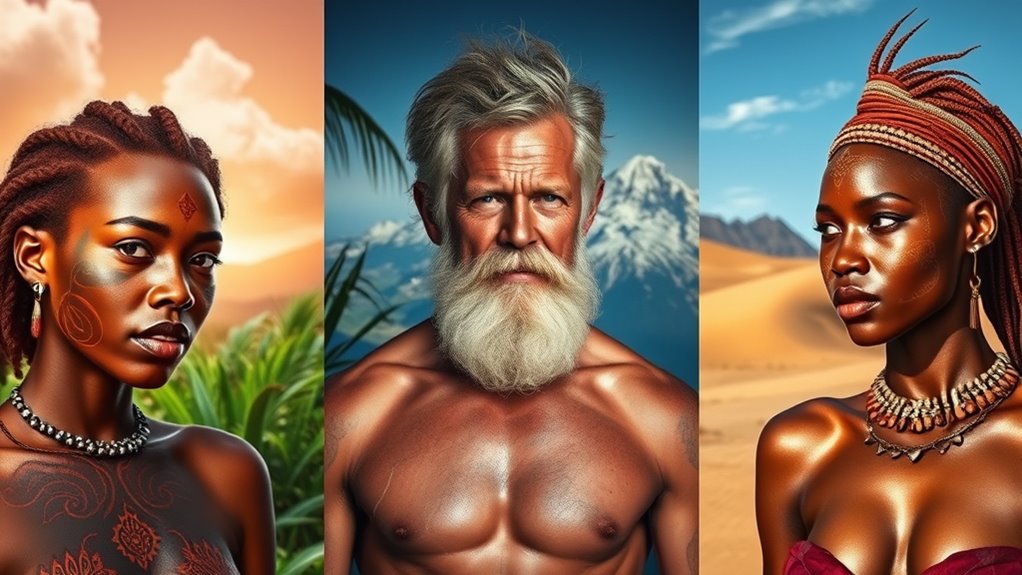
Have you ever wondered why different cultures value tanned skin so differently? It’s a fascinating reflection of how perceptions of beauty, health, and social status vary worldwide. In some societies, a deep, bronzed glow signals leisure, wealth, and outdoor activity, while in others, lighter skin symbolizes purity, nobility, or a life away from the sun’s harsh rays. These contrasting ideals are deeply rooted in historical, environmental, and cultural factors that shape how people approach sun protection and skin pigmentation.
Different cultures associate tanned or light skin with beauty, status, and health, shaped by history and environment.
In many Western countries, especially in the United States and parts of Europe, a tan is often associated with attractiveness and vitality. People actively seek to achieve this look by spending time outdoors or using tanning beds. But what many don’t realize is that this pursuit involves careful attention to sun protection. Excessive exposure to ultraviolet (UV) rays can damage your skin, accelerate aging, and increase the risk of skin cancer. Interestingly, the desire for a tan is also linked to changing perceptions of skin pigmentation, where a darker complexion is seen as more desirable, sometimes overshadowing the natural variation in skin tones that evolved to protect against UV damage. Historically, the widespread popularity of tanning has contributed to a shift in beauty standards, prompting people to balance the pursuit of a bronzed look with awareness of skin health.
Conversely, in many Asian cultures, lighter skin has long been associated with beauty, social status, and even moral virtue. This preference has led to a variety of skin-lightening products and a cultural emphasis on avoiding sun exposure altogether. Here, skin pigmentation is viewed as a marker of sophistication and wealth, since it implies you don’t have to work outdoors under the sun. Many people take deliberate measures to stay out of direct sunlight, using umbrellas or protective clothing, and applying sunscreen religiously. For them, sun protection isn’t just about preventing skin damage; it’s about maintaining a certain aesthetic aligned with cultural ideals of beauty. Additionally, advances in UV protection technology have made it easier to stay out of the sun while still achieving a desired look.
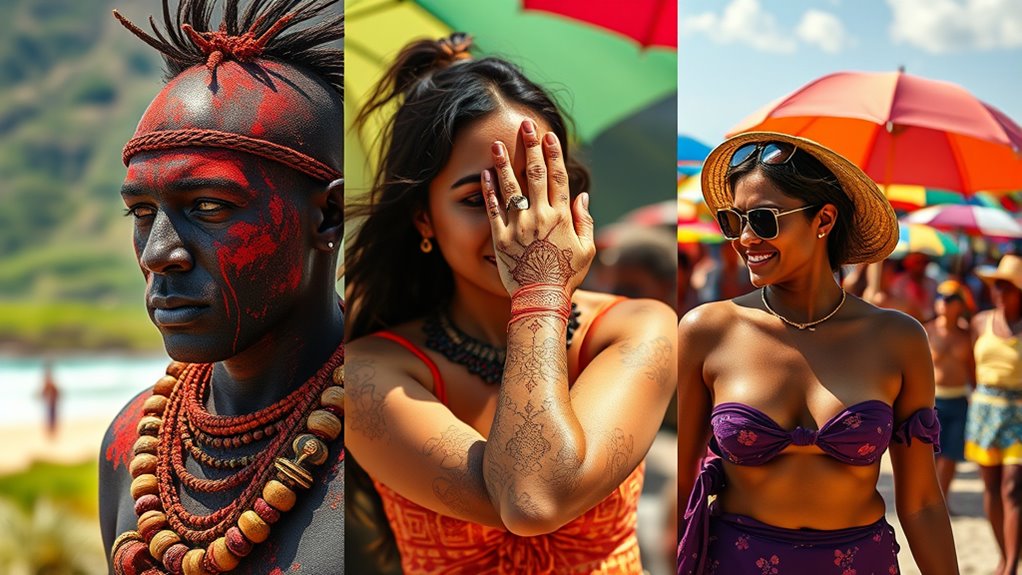
In traditional African societies, natural skin tones are celebrated, and sun exposure is often necessary and respected as part of daily life. However, some cultures have developed their own practices around tanning or skin lightening, reflecting complex social hierarchies and beauty standards. Overall, these diverse attitudes towards skin pigmentation and sun protection reveal how deeply culture influences perceptions of beauty and health. Whether embracing a sun-kissed glow or preserving a fair complexion, understanding these differences helps us appreciate the rich tapestry of human beauty standards across the globe.

Black Girl Sunscreen SPF 30 for the Face & Body – Moisturizing Sun Protection, SPF 30, Sun Lotion for Women, Ultra Sheer, Travel Size, No White Cast for Melanin Rich Skin – 2 fl oz
BLACK GIRL SUNSCREEN – Made by women of color, for people of color. This lightweight sunscreen lotion hydrates,…
As an affiliate, we earn on qualifying purchases.
As an affiliate, we earn on qualifying purchases.
Frequently Asked Questions
How Do Tanning Practices Influence Social Status Across Cultures?
You might notice that tanning practices often serve as status symbols, reflecting beauty standards across cultures. When you tan, you’re sometimes signaling wealth, leisure, or social standing, since it suggests you have time and resources for outdoor activities. In some societies, a darker tan is highly prized, while in others, a lighter complexion is preferred. These practices influence perceptions of attractiveness and social hierarchy worldwide.
Are There Specific Rituals Associated With Tanning in Certain Societies?
You’ll find that in some societies, tanning is more than just a beauty practice; it’s part of cultural symbolism and ritual ceremonies. For instance, certain tribes have specific rituals where tanning signifies coming of age or social status. You might participate in these ceremonies, which often involve unique traditions like applying natural dyes or performing dance rituals, highlighting the deep cultural significance behind their tanning practices.
What Natural Ingredients Are Traditionally Used in Tanning Processes Worldwide?
Imagine painting your skin with nature’s own palette. Around the world, people use herbal extracts like henna and turmeric to craft warm, golden hues. Mineral dyes, such as ochre and charcoal, add depth and richness. These natural ingredients transform tanning into an ancient ritual, blending science and tradition. You’re not just tanning; you’re embracing a timeless dance with nature’s vibrant, earthy colors that tell stories across cultures.
How Do Environmental Factors Affect Traditional Tanning Methods?
You should consider how climate impacts and resource availability influence traditional tanning methods. In dry or hot climates, tanning processes may slow down or require specific natural ingredients to prevent skin damage. Conversely, abundant water resources in humid areas facilitate easier tanning. Environmental factors also determine the choice of materials, as some ingredients are scarce or difficult to preserve in certain climates, affecting the efficiency and techniques of traditional tanning practices.
Have Modern Technologies Changed Traditional Tanning Practices Globally?
Imagine traditional tanning as an ancient scroll, full of cultural symbolism. Modern technologies are like new inks, transforming the story. Solar tanning and advanced equipment have revolutionized practices, making them faster and more accessible worldwide. Yet, these innovations sometimes dilute cultural meaning, like a faded inscription. So, yes, modern tech changes traditional tanning practices, blending old rituals with new methods, while still honoring their cultural roots.

Vcetree Skin Bleaching Cream Skin Lightening for Body Intimate Areas, Private Parts, Underarm, Knees, Elbows, Inner Thigh, Bikini Area, Whitening Cream Dark Spot Remover For Intimate Areas (1FL OZ)
Gentle on the body's most private areas, it reduces dullness and evens out skin tone, making it suitable…
As an affiliate, we earn on qualifying purchases.
As an affiliate, we earn on qualifying purchases.
Conclusion
As you explore these diverse tanning traditions, remember that beauty truly varies across cultures. Embrace the idea that “beauty is in the eye of the beholder,” and appreciate how each society values different skin tones. Whether it’s a sun-kissed glow or a porcelain finish, these customs remind us that beauty isn’t one-size-fits-all. Keep an open mind and celebrate the rich tapestry of traditions that make our world uniquely vibrant.

Hawaiian Tropic Sunscreen Protective Tanning Dry Oil Broad Spectrum Sun Care Sunscreen Spray – SPF 15, 8 Ounce, Sun
SPF 15 TANNING OIL SPRAY WITH COCONUT OIL AND COCOA BUTTER to hydrate and nourish your skin
As an affiliate, we earn on qualifying purchases.
As an affiliate, we earn on qualifying purchases.

IUGA Rash Guard for Women UPF 50+ SPF UV Protection Long Sleeve Workout Tops with Pockets Dry Fit Hiking Swim Shirt
UPF 50+ for Sun Protection: Want to enjoy the outdoors without being damaged by UV rays? Putting on…
As an affiliate, we earn on qualifying purchases.
As an affiliate, we earn on qualifying purchases.