Building a tan safely usually takes a few weeks of consistent, gradual sun exposure. Start with 15-20 minute sessions and slowly increase over time, always listening to your skin. Avoid peak hours and reapply sunscreen regularly to protect against damage. Patience is key—rushing can cause burns and long-term harm. If you stay patient and follow proper guidelines, you’ll develop a natural, even glow. Keep going to discover more tips for safe tanning!
Key Takeaways
- Start with 15-20 minute sessions and gradually increase exposure over several days.
- Use broad-spectrum SPF 30+ sunscreen and reapply every two hours for even, safe tanning.
- Avoid peak sun hours (10 a.m. to 4 p.m.) and opt for early morning or late afternoon sessions.
- Build your tan gradually over weeks, maintaining patience and consistency to prevent skin damage.
- Listen to your skin’s signals; take breaks if redness or irritation occurs to ensure safe melanin development.

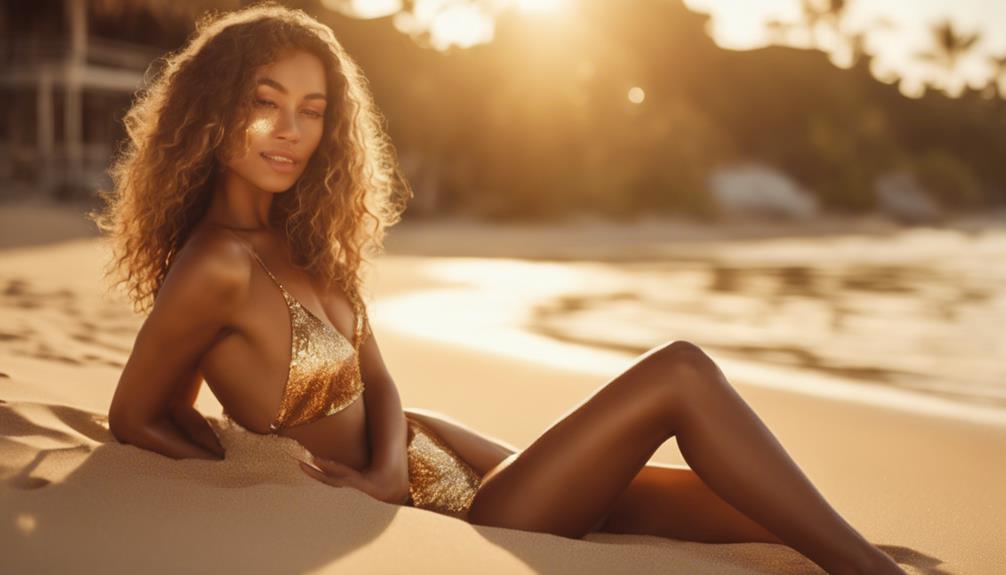
Getting a tan safely requires patience and understanding of your skin’s limits. When you’re trying to build a tan, it’s tempting to spend hours in the sun, but doing so can lead to more harm than good. The key is to understand how UV exposure affects your skin and how to minimize skin damage while gradually developing a healthy tan. UV rays penetrate your skin, stimulating the production of melanin, which gives your skin that desired glow. However, too much UV exposure at once increases the risk of skin damage, including burns, premature aging, and even skin cancer. Hence, patience becomes essential to avoid rushing the process and risking your skin’s health.
To build a tan safely, it’s important to limit your initial UV exposure. Start with short sessions—about 15 to 20 minutes—and gradually increase your time in the sun over several days. This slow approach allows your skin to adapt to UV rays without overwhelming it. When you’re outdoors, always wear broad-spectrum sunscreen with at least SPF 30, even on cloudy days. Applying sunscreen helps block harmful UV radiation, reducing skin damage while still allowing your skin to produce melanin. Reapply every two hours or more often if you’re swimming or sweating. This not only protects your skin but also ensures a more even, natural-looking tan.
Timing your sun exposure is also vital. The sun’s rays are strongest between 10 a.m. and 4 p.m., so if you want to minimize skin damage, try to avoid peak hours. Instead, aim for early morning or late afternoon sessions, when UV intensity is lower. Be consistent but cautious in your approach—building a tan isn’t a race. It’s about gradually increasing your exposure and giving your skin time to develop that golden hue without risking burns or long-term damage. Remember, your skin’s ability to produce melanin varies depending on your skin type, so listen to your body. If you notice redness or irritation, step back and give your skin a break.
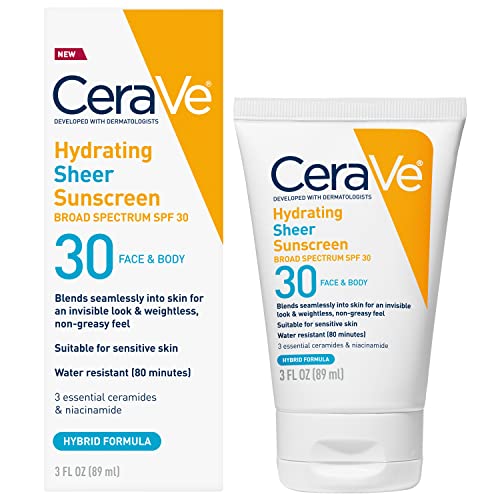
CeraVe Hydrating Sheer Sunscreen with SPF 30 for Face and Body, Mineral & Chemical Sunscreen for Men & Women with Zinc Oxide, Hyaluronic Acid and Ceramides, Paraben-Free + Fragrance-Free, 3 Ounces
[ FACE SUNSCREEN & BODY SUNSCREEN WITH SPF 30 ] CeraVe sunblock helps protect your skin against harmful…
As an affiliate, we earn on qualifying purchases.
As an affiliate, we earn on qualifying purchases.
Frequently Asked Questions
Can I Speed up Tanning Without Harming My Skin?
You can’t really speed up tanning without risking skin damage. To tan safely, always use sun protection like SPF and limit your exposure. Keep your skin hydrated by drinking plenty of water and applying moisturizer regularly, which helps your skin recover and stay healthy. Remember, patience is key. Gradual tanning minimizes harm, so avoid rushing the process—your skin will thank you for safe, steady progress.
Does Skin Type Affect Safe Tanning Duration?
Did you know that skin sensitivity varies greatly, influencing how long you should tan safely? Your skin type directly affects safe tanning duration—fair skin burns faster and needs shorter exposure, while darker skin can handle longer sessions. Knowing your skin’s sensitivity helps you avoid damage. To tan safely, limit your exposure based on your skin type, and always prioritize protecting your skin to prevent harm.
Are There Natural Ways to Enhance Tanning Results?
You can enhance your tanning results naturally by exploring remedies like herbal extracts or coconut oil, which may boost your skin’s ability to tan. Tanning supplements containing carotenoids or vitamins A and E can also support skin health and pigmentation. Remember, always research natural remedies thoroughly and consult a dermatologist before trying new products to guarantee they’re safe and effective for your skin type.
How Does Age Influence Safe Tanning Time?
Think of your skin like a delicate garden; age considerations matter because youth vulnerability means your skin’s more sensitive. When you’re younger, your skin tans faster but also burns easier, so you should limit exposure. As you age, your skin becomes less resilient, requiring even more caution. Always prioritize protective measures, and remember that safe tanning involves patience and respect for your skin’s changing needs at any age.
Can Tanning Be Safely Done Indoors or With Tanning Beds?
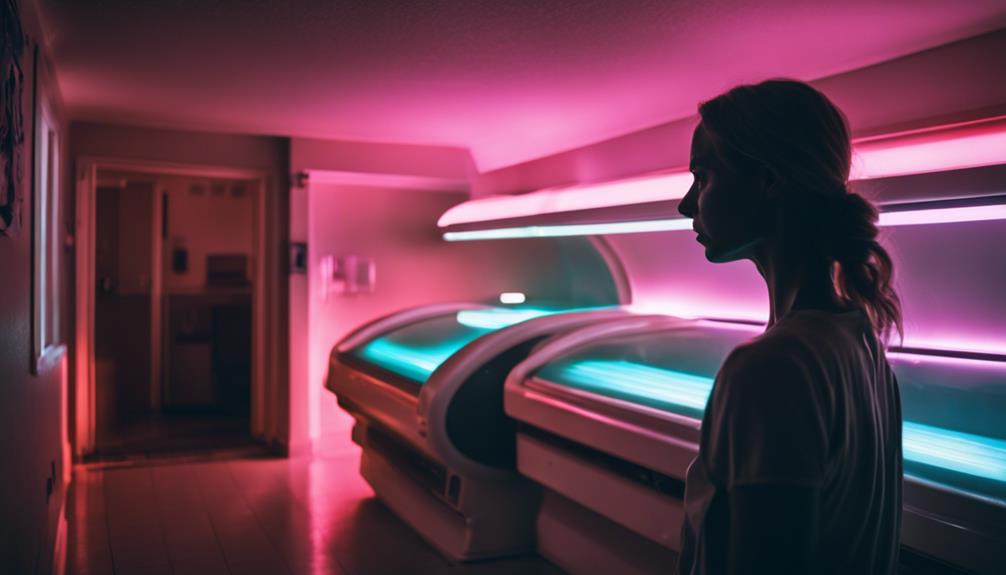
Indoor tanning with tanning beds isn’t safe, even if it seems convenient. The UV rays from tanning beds can damage your skin and increase your risk of skin cancer. If you choose indoor tanning, always follow safety guidelines, limit your exposure, and consider safer alternatives like self-tanning lotions. Remember, your skin needs protection, and there are healthier ways to achieve a tan without risking your health.

Jergens Natural Glow +FIRMING Self Tanner, Sunless Tanning Lotion for Fair to Medium Skin Tone, Anti Cellulite Firming Body Lotion for Natural-Looking Tan, 7.5 Ounce
SELF TANNER BODY LOTION – Create a flawless light bronze tan with gradual, natural-looking color while nourishing and…
As an affiliate, we earn on qualifying purchases.
As an affiliate, we earn on qualifying purchases.
Conclusion
Remember, building a tan is like a gentle dance with the sun—patience is your best partner. By giving your skin time to gradually develop its glow, you protect its natural beauty and health. So, take it slow, enjoy the process, and let each sun-kissed moment be a quiet whisper of warmth. In doing so, you’ll preserve that lovely, radiant hue without risking too much, ensuring your summer glow stays soft and safe.

Neutrogena Sun Rescue After Sun Replenishing Lotion with Aloe Vera, Mint Extract, & Vitamin E, 24-Hour Moisture for Healthy Glow for Sensitive Skin, Vegan, Non-Comedogenic Lotion, 6.7 oz
Sunburn Relief: One 6.7 fl oz bottle of Neutrogena Sun Rescue Rehydrating After Sun Lotion with Aloe Vera,…
As an affiliate, we earn on qualifying purchases.
As an affiliate, we earn on qualifying purchases.

baleaf Women's SPF Jacket Sun Shirt UV Protection Hoodie Zip Up Long Sleeve Hooded Summer Clothing Running Hiking White L
【UPF 50+ Sun Protection】 This summer jackets for women provides maximum UV protection. The thumbholes and hood design…
As an affiliate, we earn on qualifying purchases.
As an affiliate, we earn on qualifying purchases.