
The Shadow Rule helps you estimate UV risk based on your shadow’s length. When your shadow is short, it’s a sign that the sun is high, and UV rays are strongest, so you should take protective steps like wearing sunscreen or seeking shade. Longer shadows mean UV levels are lower, but some risk remains. Paying attention to your shadow can guide your sun safety habits, and if you look closer, you’ll discover more tips to stay protected.
Key Takeaways
- Short shadows during midday indicate higher UV levels and increased need for sun protection.
- Longer shadows suggest lower UV risk but do not guarantee safety from UV exposure.
- Shadow length serves as a natural, immediate cue to assess outdoor UV radiation risk.
- Observing shadows helps determine when to seek shade or wear protective clothing without weather data.
- Using shadow cues promotes smarter sun safety habits and reduces skin damage risks.

Have you ever wondered if there’s more to success than just what’s visible? “The Shadow Rule” reveals a hidden layer of influence that shapes outcomes behind the scenes. In this case, your shadow offers more than just a visual quirk; it’s a subtle indicator of UV risk and your need for sun protection. When the sun is high, your shadow is short; when it’s low, your shadow stretches long. This simple observation can help you gauge the UV index, which measures the strength of ultraviolet radiation reaching the Earth’s surface. A longer shadow typically indicates a lower UV index, meaning less immediate risk, but it’s not a guarantee. Conversely, during midday when the sun is at its peak, your shadow shrinks, signaling higher UV levels and a greater need for sun protection.
Understanding your shadow’s length can be a practical tool, especially when you’re outdoors and lack access to UV index forecasts. By paying attention to your shadow, you can decide whether to seek shade, wear protective clothing, or apply sunscreen. When your shadow is long, you might be safe to linger without much worry, but as it shortens, it’s time to be more vigilant. Sun protection becomes more critical because UV rays are strongest when the sun is overhead. This can help prevent skin damage, premature aging, and even skin cancer over time. Using the shadow as a natural cue offers a simple, immediate way to assess UV risk without constantly checking your phone or weather reports. Additionally, proper shade management can further reduce UV exposure when your shadow indicates high risk.
Your shadow length tells you when to seek shade and protect your skin from UV rays.
It’s important to remember that UV exposure isn’t only about the time of day but also about the season, altitude, and reflective surfaces like water or sand. Still, your shadow provides a quick, intuitive method to judge when you should take extra precautions. If you notice your shadow is very short, it’s a signal to prioritize sun protection, such as broad-spectrum sunscreen, sunglasses, and protective clothing. Even if the UV index isn’t forecasted high, UV rays can still cause harm, especially during prolonged exposure. Conversely, during early morning or late afternoon, longer shadows mean UV levels are lower, but don’t assume you’re fully safe—some UV rays can still reach you.
In essence, your shadow is a natural, passive indicator that can guide your sun safety habits. It’s a reminder that sometimes, the most straightforward cues can be the most reliable. Paying attention to your shadow’s length empowers you to make smarter decisions about sun protection, ultimately helping you stay healthier and safer while enjoying the outdoors.

Neutrogena Beach Defense Sunscreen Spray SPF 50, Hawaii Reef Act 104 Compliant, Octinoxate & Oxybenzone Free, Broad Spectrum, Fast Absorbing & Lightweight, Face and Body Sunscreen, 6.5 Oz
One, 6.5 oz Can of Neutrogena Beach Defense Spray Sunscreen with Broad Spectrum SPF 50. Get ready for…
As an affiliate, we earn on qualifying purchases.
As an affiliate, we earn on qualifying purchases.
Frequently Asked Questions
Can Shadow Length Predict UV Exposure Indoors?
Shadow length won’t accurately predict UV exposure indoors because UV intensity is much lower inside. While longer shadows indicate lower sun angles and possibly higher UV risk outdoors, indoors, shadows are affected by artificial lighting and window placement. You can’t rely on shadow length indoors to gauge UV risk, as UV exposure depends on factors like window UV filtration and sunlight penetration, not shadow length alone.
How Does Clothing Affect Shadow-Based UV Risk Assessment?
Like a painter choosing colors, your clothing influence creates a contrast in shadow, affecting UV risk assessment. When you wear light, thin fabrics, your shadow becomes softer and less distinct, making it harder to judge UV exposure accurately. Darker, thicker clothing enhances shadow contrast, providing clearer cues about UV levels. So, your outfit plays a vital role in how effectively you can use shadows to gauge your UV risk.
Is the Shadow Rule Effective in Cloudy Weather?
Cloud cover can make the shadow rule less reliable because it reduces shadow visibility, making shadows less distinct or even invisible. When the sky is overcast, UV rays still reach you, but shadows become faint or disappear altogether. So, if you rely solely on shadows to gauge UV risk during cloudy weather, you might underestimate exposure. It’s safer to use additional UV protection, regardless of shadow visibility.
Can the Shadow Rule Be Used for UV Protection at High Altitudes?
Ever wondered if your shadow’s accuracy holds up at high altitudes? You can use the shadow rule for UV protection, but altitude effects can influence its accuracy. As you climb higher, shadows shorten, making the rule less reliable for gauging UV risk. Keep in mind, increased altitude amplifies UV exposure, so supplement shadow cues with sunscreen and protective clothing to stay safe. Wouldn’t you rather be cautious than risk UV damage?
How Often Should I Check My Shadow for Accurate UV Risk?
You should check your shadow regularly to verify shadow consistency and timing accuracy. Doing this throughout the day, especially during midday when shadows are shortest, helps you gauge UV risk more effectively. Check your shadow every couple of hours if you’re outdoors for extended periods. Consistent observations allow you to better understand UV exposure levels, so you can take appropriate sun protection measures and avoid overexposure.
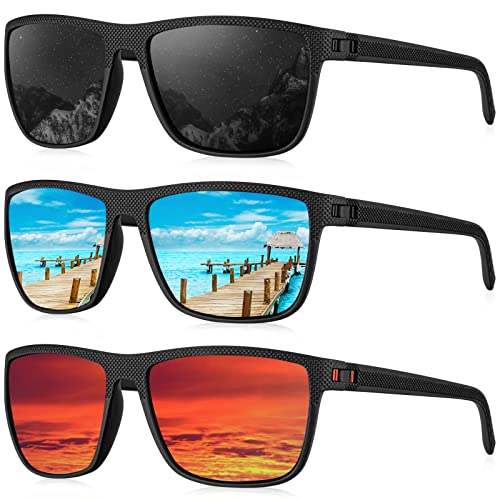
KALIYADI Polarized Sunglasses Men, Lightweight Mens Sunglasses Polarized UV Protection Driving Fishing Golf (Black/Ice Blue/Red)
HD Polarized Lens: To prevent your eyes from the harmful UV rays, all of KALIYADI mens sunglasses polarized…
As an affiliate, we earn on qualifying purchases.
As an affiliate, we earn on qualifying purchases.
Conclusion
Remember, your shadow is more than just a silhouette—it’s a simple tool to gauge UV risk. By paying attention to its length, you can protect your skin before the sun’s rays become harmful. Don’t forget, “A stitch in time saves nine.” Stay mindful of your shadow’s cues, and you’ll enjoy sunny days safely. After all, a little awareness today keeps the skin damage away tomorrow.

Avoogue Women's UPF 50+ Sun Protection Shirts Long Sleeve SPF Shirt with Tthumb Holes Rash Guard Swim Hiking Fishing Tops Lightweight Work Out Tops (Gradient Rainbow,L)
【Sun Protection】This long sleeve workout top provides professionally certified UPF 80+ sun protection,effectively protecting against UV rays.
As an affiliate, we earn on qualifying purchases.
As an affiliate, we earn on qualifying purchases.

Wondershade Ultimate Portable Sun Shade Umbrella – Lightweight Adjustable Outdoor Patio & Beach Umbrella with Tripod Base (Blue)
PROTECT YOURSELF FROM THE SUN: Wondershade portable sun shade umbrella blocks 98% of harmful UV rays to help…
As an affiliate, we earn on qualifying purchases.
As an affiliate, we earn on qualifying purchases.