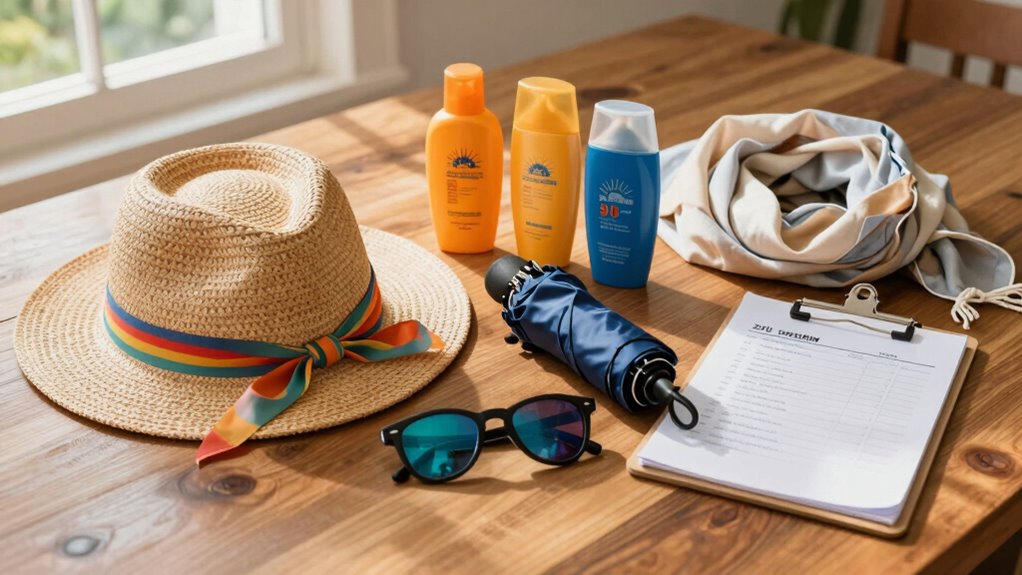
To create your sun protection checklist for travel, start by packing broad-spectrum SPF 30+ sunscreen and enough for multiple applications. Include protective clothing like lightweight UPF shirts, wide-brim hats, and UV sunglasses. Remember to bring lip balm with SPF, a refillable water bottle, and a portable shade or umbrella. Check the UV index forecast and plan outdoor activities early or late in the day. Following these tips will help you stay safe; discover more essentials to think about for your trip.

Get beauty and skincare favorites delivered free with Prime
- Fast, free delivery on millions of items
- Prime Video, Amazon Music and more included
- Member-only deals all year
Key Takeaways
- List essential sun protection items like SPF sunscreen, protective clothing, hats, sunglasses, and lip balm with SPF.
- Schedule outdoor activities during early morning or late afternoon to avoid peak sun hours.
- Monitor UV index forecasts to plan daily outdoor exposure and reapplication times.
- Include natural shade options such as umbrellas or trees for quick relief from intense rays.
- Ensure sufficient supplies for multiple reapplications, hydration, and comfort during travel.
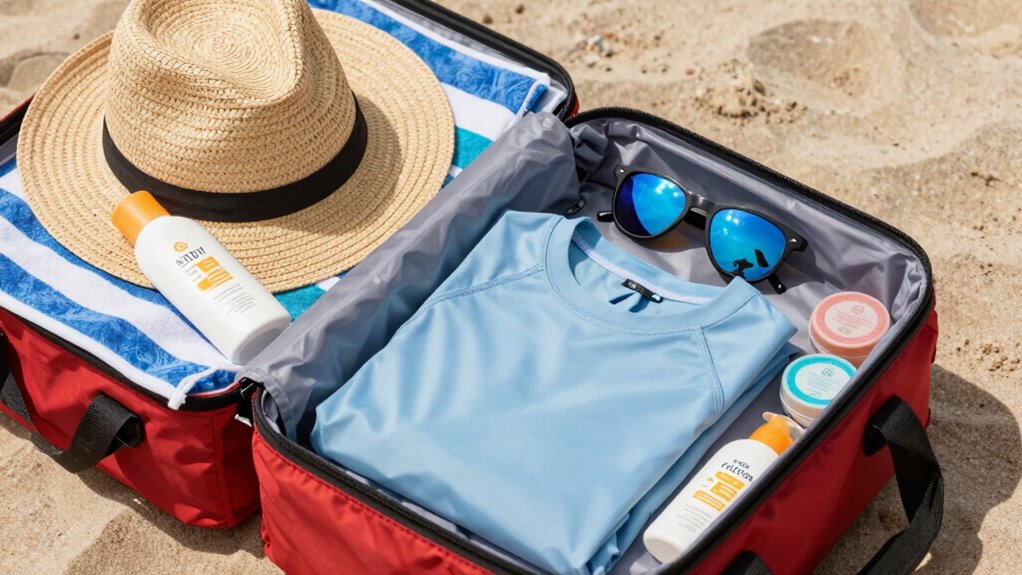
Traveling to sunny destinations means protecting your skin from harmful UV rays should be a top priority. When planning your trip, creating a thorough sun protection checklist helps guarantee you don’t forget essential items and strategies to stay safe. One of the most important aspects is sunscreen application. You want to choose a broad-spectrum sunscreen with at least SPF 30, and don’t forget to pack enough for multiple reapplications throughout the day. Apply it generously 15 minutes before heading outdoors, and remember to cover all exposed skin. Reapply every two hours, especially if you’re swimming, sweating, or towel drying. It’s easy to overlook often-missed spots like the back of your neck, ears, and the tops of your feet, so double-check these areas to guarantee thorough coverage.
Choose broad-spectrum SPF 30+ sunscreen, apply generously, and reapply every two hours for optimal sun protection.
In addition to sunscreen, protective clothing plays a crucial role in shielding you from UV damage. Pack lightweight, long-sleeved shirts made of UPF fabric, which provides an extra barrier against the sun’s rays. Wide-brimmed hats are a must-have to protect your face, neck, and ears, reducing the risk of sunburn and heat-related issues. Sunglasses with UV protection are equally important, especially if you plan to spend extended periods outdoors or near reflective surfaces like water or sand. These items help you stay comfortable and safe while allowing you to enjoy your trip without constant worry about sun exposure.
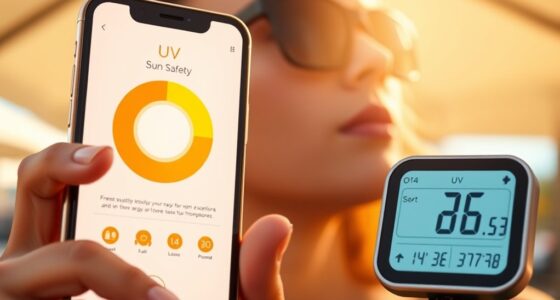
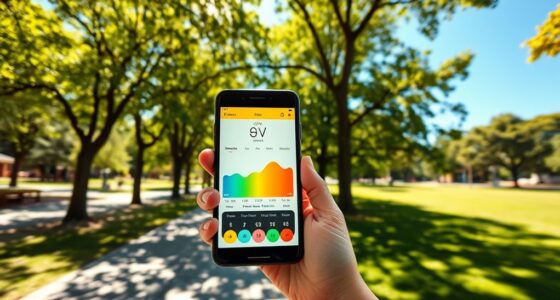
Beyond sunscreen and clothes, consider other sun safety essentials for your checklist. Lip balm with SPF is often overlooked but protects your lips from cracking and burning. Carry a refillable water bottle to stay hydrated, as dehydration can increase your skin’s sensitivity to the sun. An umbrella or portable shade can provide quick relief from intense rays during peak hours. If you’re planning outdoor activities, lightweight, moisture-wicking fabrics will keep you cool, and a camera or phone with a good sun filter can help you capture memories without compromising your skin protection. Incorporating natural shade options like trees or umbrellas can offer additional protection during outdoor excursions. Being aware of UV index forecasts can help you better plan your outdoor activities to minimize sun exposure and protect your skin effectively. Additionally, understanding the role of timing in sun safety can help you avoid the most intense sunlight hours for added protection. Using proper sun protection methods consistently is key to preventing long-term skin damage. It’s also helpful to be aware that some essential oils (such as lavender or tea tree) can have soothing properties in case of sunburn or skin irritation, but they should be used cautiously and not as a substitute for sun protection methods.
Finally, plan your outdoor excursions during the early morning or late afternoon when the sun’s rays are less intense. Keep a mental note of local UV index forecasts, which can help you decide when to seek shade or reapply sunscreen. By ticking off these essentials—sunscreen application, protective clothing, hydration tools, and timing—you create an effective sun protection checklist that allows you to enjoy your sunny destination safely, avoiding painful sunburns and long-term skin damage.
As an affiliate, we earn on qualifying purchases.
Frequently Asked Questions
What SPF Level Is Best for All-Day Sun Exposure?
For all-day sun exposure, an SPF 30 to 50 offers the best balance of protection. SPF comparison shows that higher SPF doesn’t always mean considerably better protection, and some sun protection myths suggest you need extremely high SPF, which isn’t true. Choose a broad-spectrum sunscreen, reapply every two hours, and wear protective clothing. This way, you stay protected without overestimating SPF levels.
How Often Should I Reapply Sunscreen During Travel?
You should reapply sunscreen every two hours during travel, especially if you’re swimming or sweating. Studies show that most people only reapply once, which leaves their skin vulnerable. To stay protected, follow sun safety tips by applying sunscreen generously and evenly. Don’t forget to reapply promptly after water activities or excessive sweating, ensuring continuous sun protection and reducing the risk of sun damage while you enjoy your trip.
Are Natural Sun Protection Methods Effective?
Natural sun protection methods can be somewhat effective, especially when combined with other precautions. Natural remedies like wearing protective clothing and seeking shade help reduce UV exposure, giving your skin time to adapt. Your skin adapts through a process called skin adaptation, which can increase melanin production over time. However, relying solely on natural remedies isn’t enough during peak sunlight hours, so always reapply sunscreen and use physical barriers for thorough protection.
Can I Bring Sunscreen Liquids on a Plane?
Think of airport security as a gatekeeper guarding your travel plans. You can bring sunscreen liquids on a plane, but you must follow liquids restrictions—containers no larger than 3.4 ounces (100ml). Pack these bottles in a clear, resealable bag for easy inspection. Remember, liquids over the limit will be confiscated, so plan your sun protection accordingly to keep your journey smooth and sunny!
What Are Alternatives if I Forget My Sunscreen?
If you forget your sunscreen, don’t worry—there are sun protection alternatives you can try. Seek shade whenever possible, especially during peak hours, and wear protective clothing like hats and long sleeves. You can also look for natural sunscreen options, such as mineral-based products with zinc oxide or titanium dioxide, which provide effective sun protection. These options help reduce your risk of sun damage when you’re without your usual sunscreen.
Conclusion
Now, with your sun protection checklist packed, you’re ready to embrace the outdoors confidently. Think of your essentials—sunscreen, hats, sunglasses—as a shield, like a fortress guarding your skin. Without them, the bright sun becomes a relentless enemy, risking burns and damage. But with your carefully chosen items, you stand protected, like a surfer riding gentle waves instead of battling fierce storms. Prepare wisely, and your sunny adventures will be safe and enjoyable.
Fall Picks
fall essentials
As an affiliate, we earn on qualifying purchases.