
When you’re exposed to the sun, visible signs like wrinkles, sunspots, and rough skin show up over time, but invisible damage is happening beneath the surface too, harming your skin’s repair abilities and breaking down collagen and elastin. This invisible damage accelerates aging and raises your risk of skin cancer. The more you’re exposed, the more both visible and hidden damage build up, gradually weakening your skin’s resilience. Staying informed can help you protect yourself better.
Open a free Amazon Business account
Business pricing, bulk buying and tax-exempt orders.
As an affiliate, we earn on qualifying purchases.
Key Takeaways
- Visible sun damage reflects accumulated long-term UV effects like wrinkles and sunspots, indicating underlying cellular damage.
- Invisible damage includes DNA mutations and collagen breakdown that accelerate skin aging beneath the surface.
- Both visible and invisible damages compound over time, weakening skin structure and reducing regenerative capacity.
- Oxidative stress from free radicals worsens cellular damage, increasing aging signs and skin cancer risk.
- Protecting skin from UV exposure prevents both immediate visible signs and long-term cellular damage, maintaining skin health.
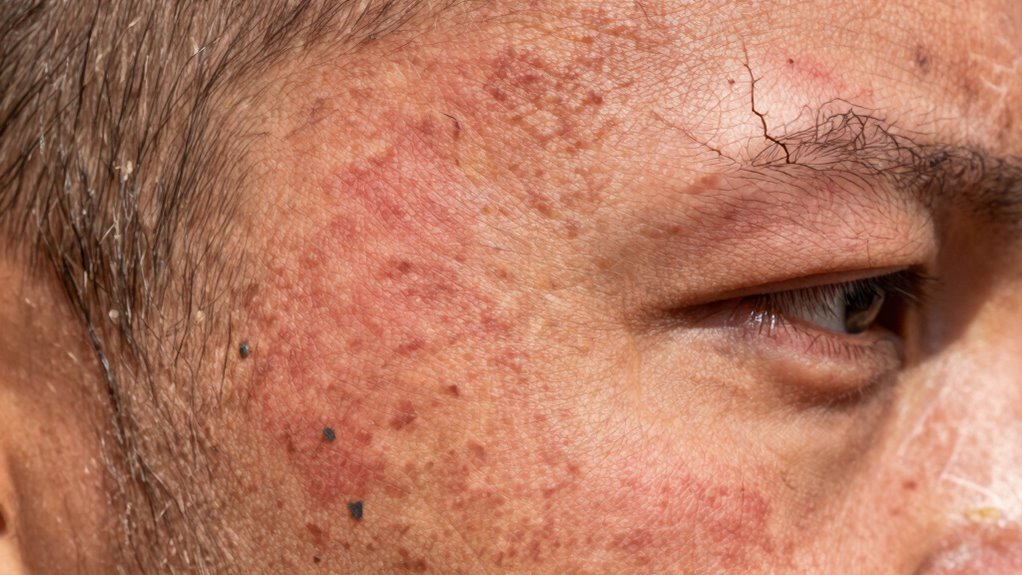
Sun damage affects your skin in ways both seen and unseen, often lingering long after you’ve been in the sun. When you spend time outdoors without protection, your skin endures ultraviolet (UV) rays that can cause immediate and long-term harm. Some effects are visible—like wrinkles, sunspots, and rough texture—while others happen beneath the surface, gradually accelerating skin aging and increasing your risk for skin cancer. Over time, these invisible effects can add up, impacting your skin’s health and appearance more than you might realize.
Sun damage leaves visible marks and invisible risks that affect your skin’s health over time.
One of the key processes affected by sun damage is skin regeneration. UV rays can impair the skin’s ability to repair itself efficiently, leading to a breakdown in collagen and elastin fibers that keep your skin firm and elastic. As regeneration slows down, your skin becomes less capable of healing small injuries or maintaining a youthful glow. The damage isn’t always immediately obvious but accumulates over years, making your skin look dull, saggy, or uneven. You might notice fine lines appearing sooner than expected or a rough texture developing, even if you don’t see sunspots or pigmentation changes right away. Skin healing processes are crucial to maintaining skin health, and UV damage hampers this essential function. Additionally, oxidative stress caused by UV exposure damages skin cells and accelerates aging.
Furthermore, free radicals generated by UV rays can damage cellular DNA, leading to mutations that increase the risk of skin cancer. Advances in antioxidant skincare have shown promise in helping to mitigate some of this damage, but prevention remains the most effective approach.
At the same time, your skin is actively engaging in Vitamin D synthesis when exposed to sunlight. This process is crucial because Vitamin D supports overall health, including immune function and bone strength. However, excessive sun exposure that damages your skin can overshadow the benefits of Vitamin D production. You might think you’re gaining health advantages by sunbathing, but too much UV exposure actually harms your skin’s structural integrity and impairs its ability to regenerate properly. Striking a balance is essential—getting enough sunlight for Vitamin D without overexposing yourself to damaging rays.
The cumulative effect of sun damage is subtle but powerful. Your skin’s ability to heal diminishes, and aging signs become more pronounced. Invisible damage, like DNA mutations and oxidative stress, quietly build up, increasing your risk for skin cancers such as melanoma. While you might not see these effects right away, they’re happening beneath the surface, contributing to a less resilient skin barrier over time. Protecting your skin from excessive UV exposure preserves its regenerative capacity and allows it to maintain a healthy balance between self-repair and necessary Vitamin D synthesis. Understanding how UV rays impact skin health and how visible and invisible sun damage add up encourages you to adopt sun-smart habits, safeguarding your skin’s future health and appearance.
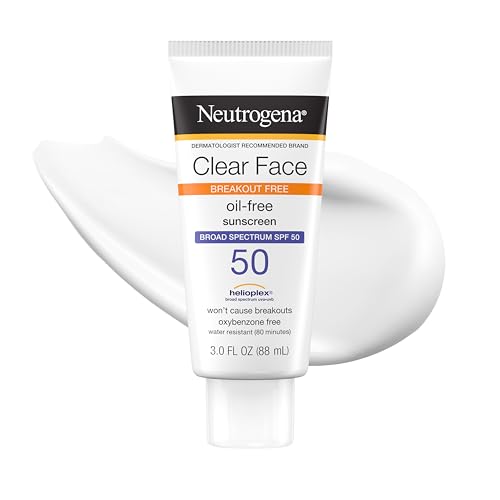
Neutrogena Clear Face Sunscreen Lotion SPF 50, 3 fl. oz
- Acne-Prone Skin Formula: Broad spectrum SPF 50 protection
- Lightweight and Oil-Free: Quick-absorbing, breathable texture
- Non-Comedogenic: Won't clog pores or cause breakouts
As an affiliate, we earn on qualifying purchases.
As an affiliate, we earn on qualifying purchases.
Frequently Asked Questions
Can Indoor UV Exposure Also Cause Sun Damage?
Indoor UV exposure can indeed cause sun damage, especially through windows that don’t block UV rays. Hidden risks come from prolonged indoor exposure, which can damage your skin and eyes over time. You might not notice it at first, but consistent UV exposure indoors adds up. To protect yourself, use UV-filtering window films or wear protective clothing and sunglasses, reducing your risk of long-term sun damage from indoor UV rays.
How Does Sun Damage Affect Skin Aging Over Time?
Sun damage accelerates skin aging through photoaging effects, causing wrinkles, sagging, and dark spots. Over time, UV rays break down collagen, the skin’s structural protein, leading to loss of firmness and elasticity. You may notice these signs gradually appear, making your skin look older. Protecting your skin with sunscreen and avoiding excessive sun exposure can help slow this process and preserve a youthful appearance longer.
Are Certain Skin Types More Prone to Invisible Sun Damage?
Think of your skin as a shield, and your skin type as the armor. Lighter skin types with less melanin protection are more prone to invisible sun damage because they lack the natural defense against UV rays. Darker skin types, with more melanin, absorb and block some UV radiation, making them less vulnerable to invisible damage. So, your skin type directly influences how much invisible sun harm you might accumulate over time.
What Are the Long-Term Health Risks of Cumulative Sun Damage?
Cumulative sun damage increases your risk of skin cancer, premature aging, and sun spots. Without proper sun protection, your skin’s ability for regeneration diminishes over time, leading to more visible signs of aging and vulnerability to harmful UV rays. Long-term, this damage can also weaken your immune system’s response. To safeguard your health, consistently use sun protection and support skin regeneration through moisturizers and antioxidants.
How Can I Detect Invisible Sun Damage Early?
You can detect invisible sun damage early by paying attention to changes in your skin, like uneven texture or pigmentation. Regular skin checks, both at home and with a dermatologist, are essential. Use effective UV protection daily to prevent further damage. Prioritize skin renewal by maintaining a healthy skincare routine, which can help your skin repair itself and reveal healthier layers over time, catching damage before it becomes visible.
Conclusion
Remember, sun damage is like a silent thief stealing your skin’s health—you may not see it today, but tomorrow’s the bill. The visible signs are just the iceberg’s tip; behind the scenes, invisible damage quietly worsens. Protecting your skin now is your best armor against a future storm of wrinkles, dark spots, and aging. Don’t wait for the sun to write its story on your face—take action today before the damage becomes an unbreakable chain.
Baby shower & registry season Picks
baby registry must-haves
As an affiliate, we earn on qualifying purchases.