To prevent sun-induced hyperpigmentation and dark spots, make sunscreen your daily habit—use a broad-spectrum SPF 30 or higher, reapply often, and spread it generously. Protect your skin with hats, sunglasses, and long sleeves, especially during peak hours. Avoid tanning beds and use self-tanners instead. Incorporating antioxidants like vitamin C can also boost your skin’s defense. Keep your routine consistent, and you’ll explore more ways to maintain an even, radiant skin tone.
Key Takeaways
- Consistently apply broad-spectrum sunscreen with SPF 30 or higher on all exposed skin.
- Wear protective clothing like wide-brimmed hats and sunglasses to shield skin from UV rays.
- Avoid peak sun hours (10 a.m. – 4 p.m.) to minimize UV exposure and prevent hyperpigmentation.
- Incorporate antioxidants such as vitamin C to neutralize free radicals and support skin health.
- Reapply sunscreen every two hours, especially during sweating or swimming, to maintain effective protection.

Tanning can give your skin a warm, sun-kissed glow, but it often leaves behind unwanted dark spots that can be stubborn to fade. These spots are a form of skin discoloration caused by increased melanin production in response to UV exposure. To prevent these hyperpigmented areas from forming, you need to prioritize sun protection daily. Wearing broad-spectrum sunscreen with at least SPF 30 isn’t just for beach days; it’s essential whenever you step outside. Apply it generously to all exposed skin, and reapply every two hours, especially if you’re sweating or swimming. Wearing protective clothing, such as wide-brimmed hats, sunglasses, and long sleeves, acts as an additional barrier against harmful UV rays. Avoiding peak sun hours, typically between 10 a.m. and 4 p.m., can considerably reduce your risk of developing dark spots caused by sun damage.
Understanding the connection between sun protection and skin discoloration is key. UV rays stimulate the melanocytes in your skin, leading to uneven melanin distribution that results in dark spots. The more exposed your skin is to the sun without protection, the higher your chances of developing hyperpigmentation. If you already notice areas of discoloration, it’s vital to prevent them from worsening. Consistent sun protection can help keep existing spots from darkening further and prevent new ones from forming. Think of your skin as a canvas; the more you shield it, the less it reacts to UV stimuli, therefore maintaining an even tone.
In addition to topical sun protection, consider incorporating antioxidants like vitamin C into your skincare routine. They help neutralize free radicals generated by sun exposure, which can contribute to skin discoloration. Incorporating proper skin care habits into your routine can also enhance the effectiveness of sun protection efforts. Avoid tanning beds altogether, as they emit UV rays that are just as damaging as natural sunlight. If you’re into tanning, opt for safer alternatives like spray tans or self-tanning products that don’t involve UV exposure. Remember, the key is consistency. Regularly applying sunscreen, wearing protective gear, and avoiding prolonged sun exposure are your best defenses against sun-induced hyperpigmentation. This proactive approach not only preserves your skin’s natural tone but also prevents the stubborn dark spots that can take months to fade once they appear. Ultimately, protecting your skin today helps maintain a brighter, more even complexion in the future.
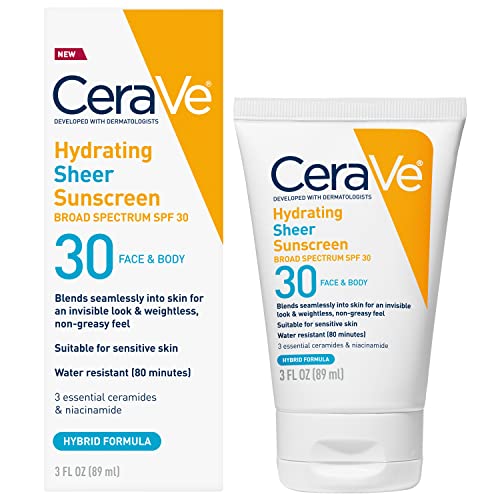
CeraVe Hydrating Sheer Sunscreen with SPF 30 for Face and Body, Mineral & Chemical Sunscreen for Men & Women with Zinc Oxide, Hyaluronic Acid and Ceramides, Paraben-Free + Fragrance-Free, 3 Ounces
[ FACE SUNSCREEN & BODY SUNSCREEN WITH SPF 30 ] CeraVe sunblock helps protect your skin against harmful…
As an affiliate, we earn on qualifying purchases.
As an affiliate, we earn on qualifying purchases.
Frequently Asked Questions
Can Certain Foods Help Prevent Sun-Induced Hyperpigmentation?
Certain foods benefits your skin nutrition by helping prevent sun-induced hyperpigmentation. Eating foods rich in antioxidants, like berries, citrus, and leafy greens, can protect your skin from sun damage. Incorporate foods high in vitamin C and E to boost your skin’s resilience. By including these in your diet, you support your skin’s natural defenses, potentially reducing dark spots caused by sun exposure and maintaining a more even skin tone.
Are There Natural Remedies Effective Against Existing Dark Spots?
Think of your skin as a garden that needs gentle care. You can try herbal remedies and DIY masks like turmeric or aloe vera, which some say lighten dark spots naturally. While scientific evidence remains limited, many find these remedies soothing and beneficial. Just like tending a garden, consistency and patience are key; over time, natural treatments may help fade existing dark spots and improve your skin’s appearance.
How Does Skin Type Influence Susceptibility to Hyperpigmentation?
Your skin type influences how susceptible you are to hyperpigmentation because it affects melanin production and skin sensitivity. If you have darker skin, your melanin production is higher, making you more prone to developing dark spots from sun exposure. Conversely, sensitive skin types react more intensely to UV rays, increasing hyperpigmentation risk. Understanding your skin’s response helps you take targeted precautions, like sun protection, to prevent or minimize dark spots.
Is It Safe to Tan Outdoors With SPF Protection?
Is a sun-kissed glow worth the risk? While outdoor tanning with SPF might seem safe, it’s not risk-free. You still face sunburn risks, especially if you don’t reapply SPF regularly. To protect your skin, reapply SPF every two hours, even on cloudy days, and avoid prolonged exposure. Remember, no tan is worth damaging your skin—safety always comes first.
What Are the Long-Term Effects of Sun-Induced Hyperpigmentation Treatments?
When considering sun-induced hyperpigmentation treatments, it’s important to think about the long-term effects and treatment safety. Some treatments, like chemical peels or laser therapy, can improve your skin but might cause scarring or uneven pigmentation if not done properly. Always consult a dermatologist to guarantee the safety of long-term treatments, understand potential risks, and follow post-treatment care to maintain healthy skin and minimize adverse effects.

FURTALK Womens Sun Hat Beach Summer Wide Brim UPF 50+ Outdoor Protection Foldable Lightweight Ponytail Bucket Hat Beige, One Size
UPF80+ UV Protection: Engineered with UPF80+ 100% nylon fabric, this sun hat features an extra-wide brim (3.5" )…
As an affiliate, we earn on qualifying purchases.
As an affiliate, we earn on qualifying purchases.
Conclusion
By protecting your skin from the sun, you can substantially reduce dark spots and unwanted tanning. Remember, applying sunscreen daily lowers your risk of hyperpigmentation by up to 50%. Staying mindful of sun exposure and using protective measures keeps your skin even-toned and healthy. Don’t forget, wearing SPF 30 or higher can make a real difference—so take those extra seconds to shield your skin today and enjoy a brighter, more even complexion tomorrow.

Premium 20% Vitamin C Serum For Face with Hyaluronic Acid, Retinol & Amino Acids – Boost Skin Collagen,Hydrate & Plump Skin, Anti Aging & Wrinkle Facial Serum 60ml
Plant Based Formulation – Free of synthetic color additives, fragrance, and stabilizers, dynamic active botanicals like Aloe Vera,…
As an affiliate, we earn on qualifying purchases.
As an affiliate, we earn on qualifying purchases.

Jergens Natural Glow +Firming Self Tanner Body Lotion, Fair to Medium Skin Tone, Sunless Tanning Moisturizer with Collagen and Elastin. Helps to Visibly Reduce Cellulite, 7.5 Fl Oz
SELF TANNER BODY LOTION – Create a flawless light bronze tan with gradual, natural-looking color while nourishing and…
As an affiliate, we earn on qualifying purchases.
As an affiliate, we earn on qualifying purchases.